
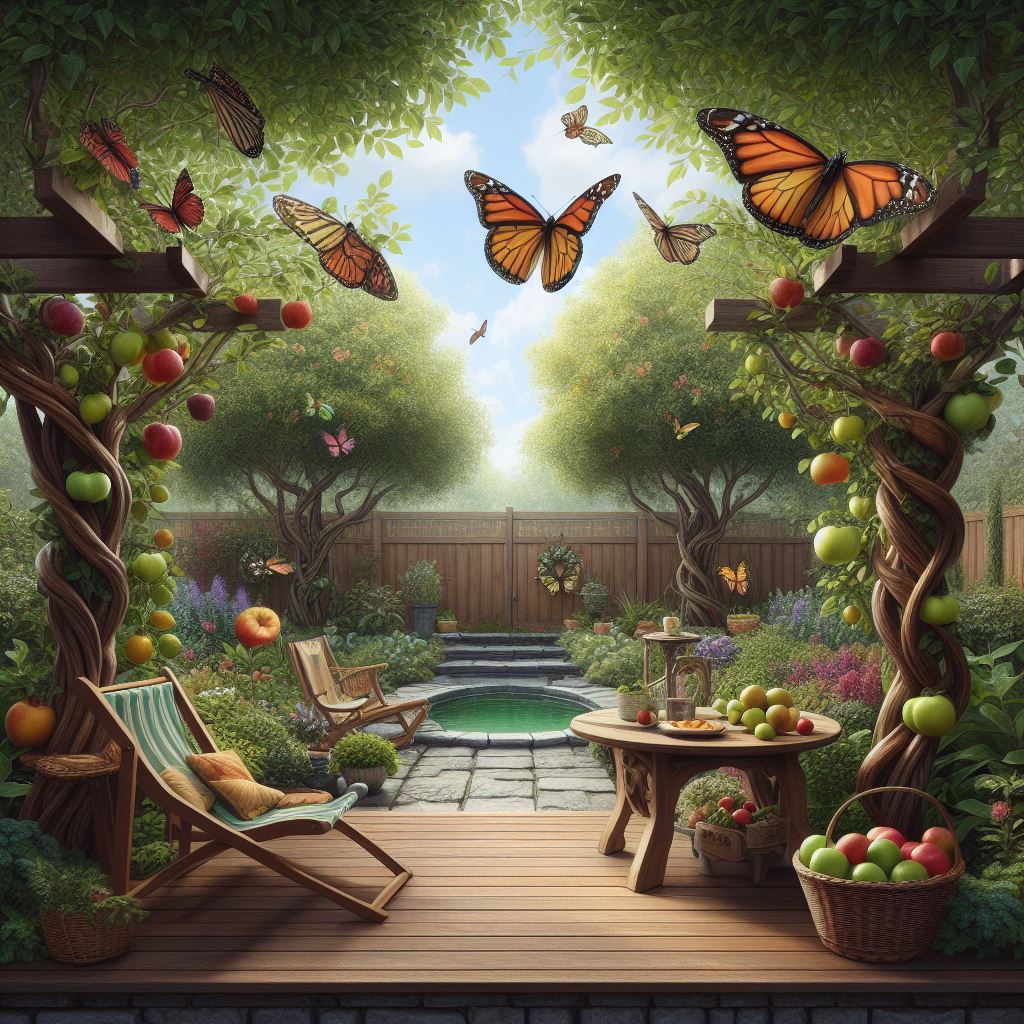
Picture this: your very own slice of paradise, buzzing with life and vibrant colors as delicate wings flutter through the air. Transforming your backyard into a haven for these winged wonders is not only a delight for the eyes but also a fulfilling journey into the realm of backyard wildlife.
Did you know that butterflies are not only beautiful but also essential pollinators? They play a crucial role in maintaining the balance of ecosystems, making them a joy to behold and a valuable addition to any garden. Whether you’re a seasoned gardener or a novice nature enthusiast, creating a butterfly garden is a rewarding endeavor that brings joy to all ages.
So, let’s dive into the magical world of butterfly gardens and discover how you can attract these colorful visitors to your own backyard sanctuary.
Understanding Butterfly Habitats
To create a thriving butterfly garden, it’s essential to understand the specific habitat requirements and preferences of these delicate creatures. Butterflies are highly sensitive to their environment, so providing the right conditions is key to attracting and sustaining them in your garden.
Firstly, consider the native butterfly species in your area. Every region has its own unique array of butterfly species, each with its own preferences for food and shelter. By identifying the native species in your locality, you can tailor your garden to cater to their needs, ensuring a steady flow of visitors throughout the seasons.
Did you know that butterflies are particularly drawn to areas with plenty of sunlight? When planning your garden, choose a location that receives ample sunlight throughout the day. This not only provides warmth for the butterflies but also encourages the growth of their favorite nectar-rich flowers.
Additionally, butterflies require a variety of plants for both nectar and host purposes. Nectar plants provide a source of food for adult butterflies, while host plants are essential for laying eggs and nurturing caterpillars. Research the butterfly-friendly plants native to your region and incorporate a diverse range of species into your garden to attract a wide variety of butterflies.
By understanding the habitat requirements of butterflies and tailoring your garden to meet their needs, you can create a welcoming environment that will entice these colorful creatures to make your backyard their home.
Planning Your Butterfly Garden
Now that you have a grasp of the basic requirements for attracting butterflies, it’s time to roll up your sleeves and start planning your butterfly garden oasis. Designing a garden that caters to the needs of these delicate creatures is not only rewarding but also surprisingly simple with the right approach.
Begin by selecting the perfect location for your butterfly sanctuary. Look for an area in your yard that receives plenty of sunlight and is sheltered from strong winds. Butterflies love basking in the sun’s warmth, so choosing a sunny spot will encourage them to visit your garden regularly.
Once you’ve found the ideal location, it’s time to choose your butterfly-friendly plants. Opt for a variety of species that bloom at different times of the year to provide a continuous supply of nectar for your winged visitors. Native plants are best as they are well adapted to the local climate and soil conditions, making them more attractive to butterflies.
When selecting plants, don’t forget to include host plants for the caterpillars. These plants serve as food sources for caterpillars and are essential for their development into adult butterflies. Research the native host plants for the butterfly species in your area and incorporate them into your garden design.
As you plan your butterfly garden, consider incorporating features such as butterfly feeders and puddling stations. These additional elements provide supplemental food and water sources for butterflies, further enhancing the appeal of your garden.
By carefully planning the layout and features of your butterfly garden, you can create a welcoming environment that will attract a diverse array of butterfly species to your backyard paradise.
Planting Techniques for Success
With your butterfly garden planned and ready to go, it’s time to get your hands dirty and start planting! Cultivating a thriving garden that attracts butterflies requires careful consideration of planting techniques to ensure maximum success.
Start by preparing the soil in your garden beds. Butterfly-friendly plants thrive in well-drained soil that is rich in organic matter. Incorporate compost or well-rotted manure into the soil to improve its structure and fertility, providing a healthy foundation for your plants to grow.
When planting your butterfly garden, arrange your plants in clusters rather than scattering them randomly throughout the garden. Clustering plants of the same species together creates visual impact and makes it easier for butterflies to locate their favorite nectar sources.
As you plant, be mindful of the spacing between plants. Butterfly-friendly plants should be spaced according to their mature size to prevent overcrowding and competition for resources. Follow the planting recommendations for each species to ensure they have enough room to grow and flourish.
Water newly planted butterfly-friendly plants thoroughly to help them establish strong root systems. Once established, most butterfly garden plants are drought tolerant, but regular watering during dry spells will keep them healthy and blooming throughout the season.
To encourage butterflies to visit your garden, consider incorporating a variety of plant heights and textures. Tall plants provide perches for butterflies to rest and sunbathe, while low-growing plants offer shelter and protection from predators.
By following these planting techniques, you can create a lush and inviting butterfly garden that will attract a steady stream of colorful visitors to your backyard sanctuary.
Maintaining Your Butterfly Haven
Now that your butterfly garden is planted and thriving, it’s time to turn your attention to maintenance to ensure that it remains a welcoming haven for these delicate creatures. With a little care and attention, you can create an environment that continues to attract butterflies year after year.
One of the most important aspects of butterfly garden maintenance is providing a welcoming environment for your winged visitors. Ensure that your garden receives plenty of sunlight throughout the day, as butterflies are attracted to warm, sunny spots for basking and feeding.
In addition to sunlight, butterflies also need access to water. Create a puddling station by filling a shallow dish with sand and water to provide butterflies with a place to drink and extract essential minerals. You can also incorporate a small water feature such as a birdbath or fountain to attract butterflies to your garden.
Regularly inspect your butterfly garden for signs of pests or diseases and take appropriate action to control them. Avoid using chemical pesticides, as these can harm butterflies and other beneficial insects. Instead, opt for natural pest control methods such as handpicking pests or introducing beneficial insects like ladybugs and lacewings.
Pruning is another important aspect of butterfly garden maintenance. Remove dead or diseased plant material to keep your garden looking tidy and prevent the spread of pests and diseases. Deadheading spent flowers will also encourage continuous blooming, providing a steady supply of nectar for visiting butterflies.
Finally, be mindful of any potential threats to butterflies in your garden, such as invasive plant species or predators. Remove invasive plants that may outcompete native species and attract predators such as birds and spiders. Providing sheltered areas and planting a diverse range of butterfly-friendly plants will help create a balanced ecosystem that supports butterfly populations.
By maintaining your butterfly garden with care and attention to detail, you can create a welcoming sanctuary that delights both you and your winged visitors.
Enjoying the Beauty of Butterflies
Now that your butterfly garden is flourishing and teeming with life, it’s time to sit back, relax, and enjoy the breathtaking beauty of these winged wonders in your own backyard. Observing butterflies as they flit and flutter among the flowers is a truly magical experience that brings joy to people of all ages.
Grab a comfortable chair and find a sunny spot in your garden where you can sit and watch the butterflies dance around you. Keep a pair of binoculars handy to get a closer look at these delicate creatures and observe their intricate patterns and vibrant colors up close.
Did you know that butterflies are excellent pollinators? As they feed on nectar from flowers, they inadvertently transfer pollen from one flower to another, helping to fertilize plants and ensure their continued survival. By creating a butterfly garden, you’re not only providing a habitat for these beautiful creatures but also contributing to the health and diversity of your local ecosystem.
Take the time to photograph the butterflies in your garden as they flit from flower to flower. Experiment with different camera settings and angles to capture their beauty in all its glory. You’ll be amazed at the stunning images you can capture with just a little patience and practice.
Hosting a butterfly garden also provides a unique opportunity for education and outreach. Invite friends, family, and neighbors to visit your garden and learn about the fascinating world of butterflies. Share your knowledge and passion for these winged wonders, and inspire others to create their own butterfly sanctuaries.
As you bask in the beauty of your butterfly garden, take a moment to appreciate the wonder of nature and the intricate web of life that surrounds us. Each butterfly that visits your garden is a testament to the power of conservation and the importance of protecting our planet’s biodiversity.
So sit back, relax, and enjoy the enchanting beauty of your butterfly garden. Let the colorful wings and delicate movements of these mesmerizing creatures transport you to a world of magic and wonder right in your own backyard.
By following the tips and techniques outlined in this guide, you’ve created a welcoming sanctuary that not only delights the senses but also supports local biodiversity and conservation efforts.
As you continue to nurture and enjoy your butterfly garden, remember that each garden is unique, and there’s no one-size-fits-all approach to creating the perfect habitat for butterflies. Explore and experiment with different plants, layouts, and features to find what works best for you and your winged visitors.
Whether you’re a seasoned gardener or a novice nature enthusiast, creating a butterfly garden is a rewarding endeavor that brings joy and wonder to people of all ages. So go ahead, embrace the magic of nature, and inspire others to create their own butterfly paradises.
Thank you for joining us on this journey into the enchanting world of butterfly gardens. May your garden be filled with beauty, color, and the fluttering of wings for years to come.
Remember, this guide is just the beginning. Continue to explore, learn, and discover new ways to enhance your butterfly garden and connect with the natural world around you. The possibilities are endless, and the adventure is yours to embrace.

