
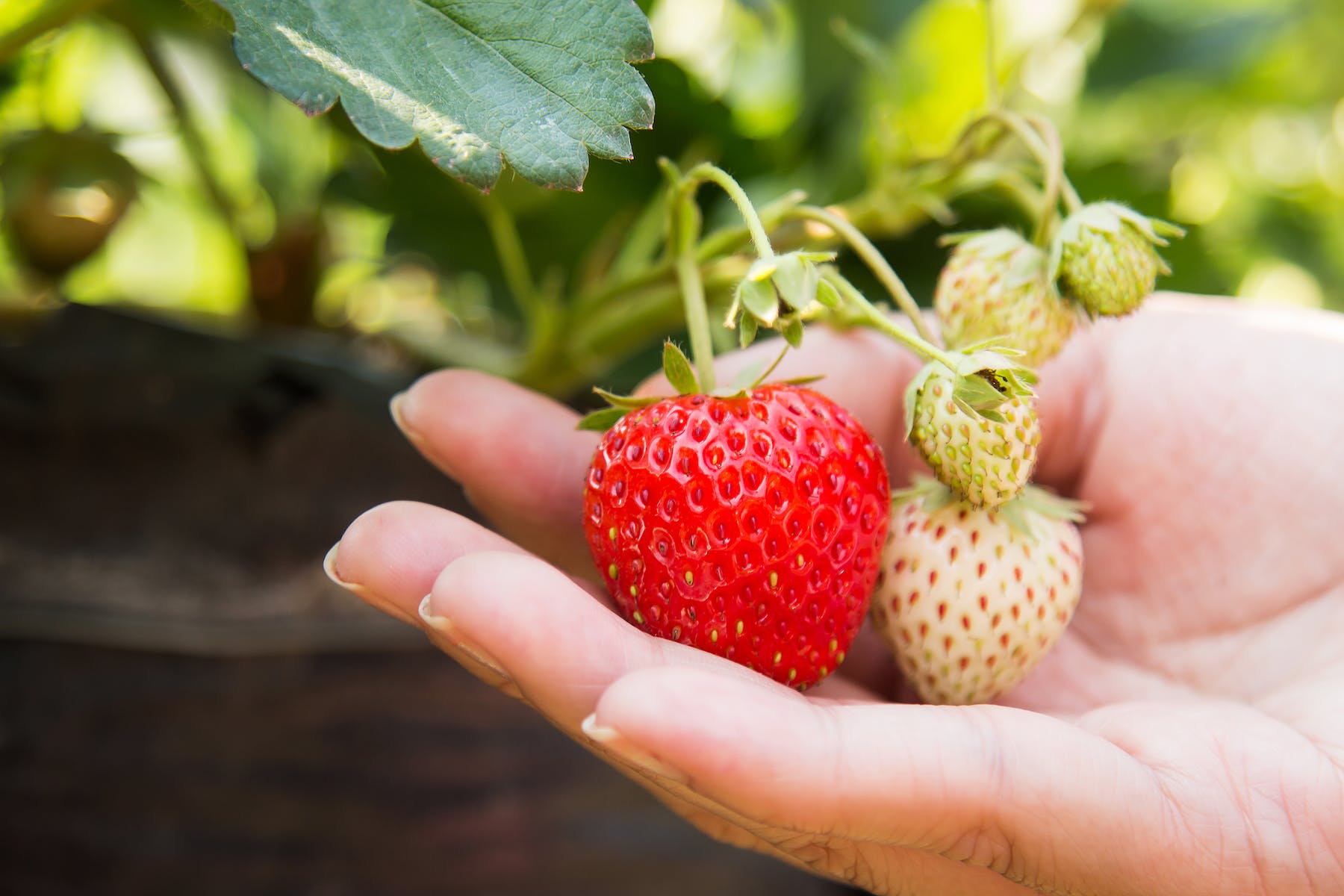
Strawberries, with their vibrant color and sweet-tart flavor, are a summer delight. However, their delicate nature often leads to a short shelf life. Fear not! With a few simple tips and tricks, you can extend the freshness of these juicy gems and savor their goodness for longer periods.
Selecting the Perfect Strawberries
Begin by choosing the freshest strawberries possible. Opt for firm, plump berries with bright red coloration and fresh green caps. Avoid those with mold, soft spots, or signs of overripening, as they deteriorate more quickly.
Proper Storage Techniques
- Refrigeration: To prolong the life of strawberries, store them unwashed in a single layer on a paper towel-lined container or tray in the refrigerator. Avoid crowding them, as this can lead to bruising and spoilage. Remember, moisture is the enemy of strawberries, so keep them dry.
- Ventilated Containers: Consider storing strawberries in containers with ventilation holes or partially covered with perforated plastic wrap. This allows for air circulation, preventing moisture buildup and extending their freshness.
Tips for Long-Term Storage
- Freezing: If you have an abundance of strawberries, freezing them is a fantastic option. Wash, dry, and hull the berries, then lay them on a baking sheet in a single layer. Once frozen, transfer them to an airtight container or freezer bag, removing excess air to prevent freezer burn. Frozen strawberries can be used for smoothies, jams, or as toppings for desserts.
- Preserving with Sugar: Create a simple syrup by dissolving sugar in water. Mix clean, hulled strawberries with the syrup and store them in airtight containers in the refrigerator. This method helps maintain their texture and flavor for a longer duration.
Reviving Strawberries
If you notice some strawberries starting to lose their freshness, there are ways to revive them:
- Cold Water Bath: Soak the strawberries in cold water for a few minutes, then gently pat them dry before returning them to the refrigerator. This can help rejuvenate wilted berries.
Best Practices to Avoid Spoilage
- Inspect Regularly: Check stored strawberries regularly for any signs of spoilage or softening. Remove any damaged or moldy berries promptly to prevent them from affecting the rest.
- Keep Dry: Moisture is the enemy of strawberries. Ensure they remain dry during storage by using paper towels or ventilated containers.
Making the Most of Preserved Strawberries
Preserved strawberries offer versatility in culinary creations. From topping breakfast cereals and salads to starring in refreshing beverages and desserts, these preserved gems can elevate various dishes with their sweet-tart flavor.
Preserving the freshness of strawberries doesn’t require intricate methods; it’s about understanding their delicate nature and employing simple yet effective storage techniques. By storing them properly and embracing preservation methods like freezing or using simple syrup, you can extend the lifespan of strawberries, ensuring you have the taste of summer at your fingertips for a longer duration. Master the art of strawberry storage, and relish the sweetness of these vibrant berries long after the season has passed!

