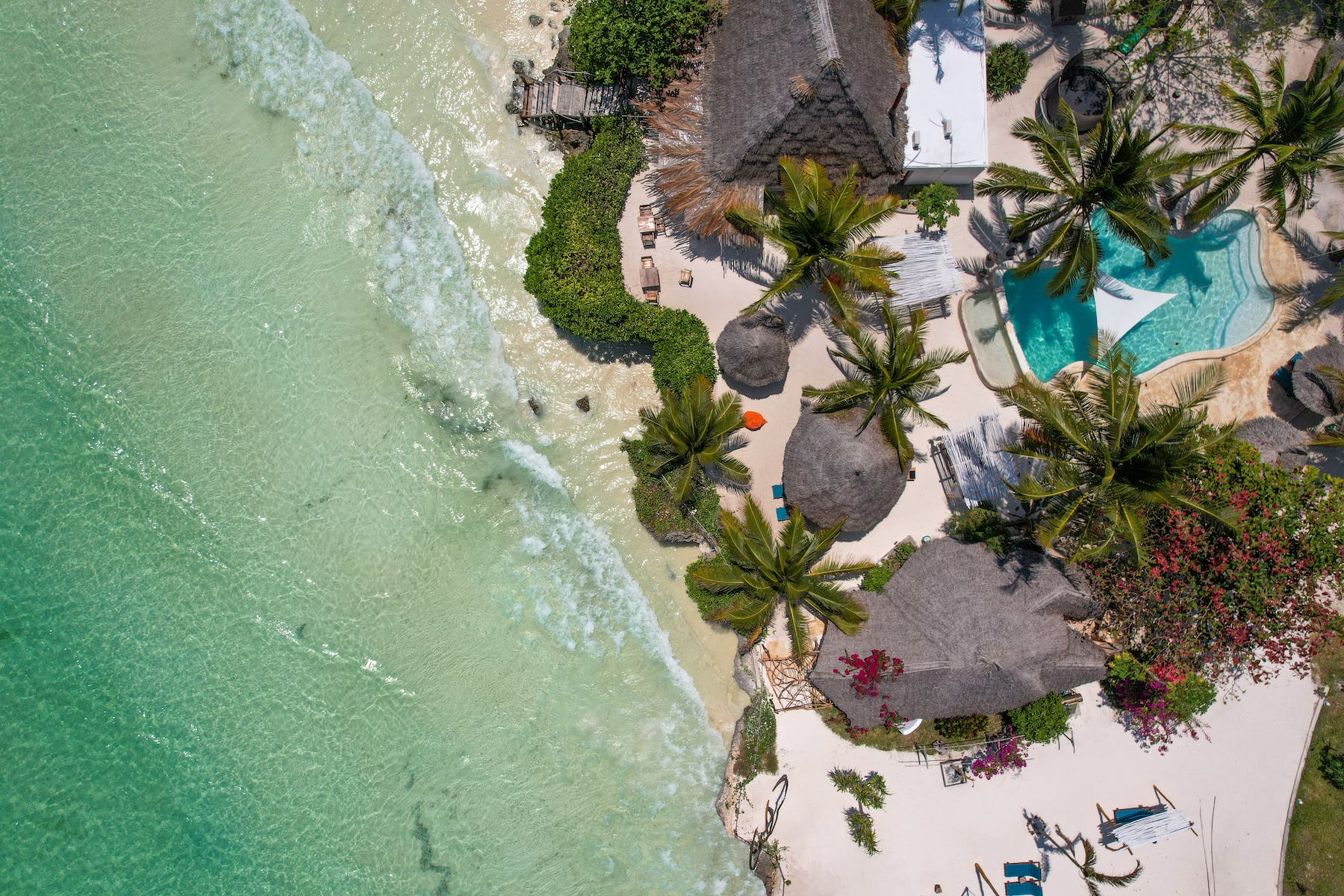
Nestled in the Indian Ocean off the coast of Tanzania, Zanzibar is a mesmerizing archipelago that embodies the essence of paradise. Its pristine beaches, rich cultural heritage, and vibrant landscapes make it a coveted destination for travelers seeking an idyllic tropical getaway.
Seaside Splendor:
Zanzibar boasts a coastline adorned with powdery white sands and crystalline waters, offering a haven for beach enthusiasts. From the iconic Nungwi Beach to the serene shores of Kendwa, each beach presents its own allure—ideal for sunbathing, snorkeling, or simply basking in the sun’s warmth.
Spice Island Adventures:
Zanzibar’s moniker as the “Spice Island” is well-deserved. Embark on aromatic spice tours through lush plantations, discovering cloves, nutmeg, cinnamon, and other exotic spices. These tours offer a sensory journey through Zanzibar’s rich agricultural heritage.
Diverse Marine Life:
Beyond its shores lie vibrant underwater worlds awaiting exploration. Dive into Zanzibar’s marine sanctuaries, encountering an array of marine life—colorful coral reefs, turtles, dolphins, and an abundance of tropical fish—perfect for snorkelers and divers alike.
Sunset Serenades and Dhow Cruises:
Relish the magical allure of Zanzibar’s sunsets aboard traditional wooden dhows. These sunset cruises along the coastline offer breathtaking vistas and a tranquil setting to unwind amidst the serene ocean backdrop.
Wildlife Encounters:
Jozani Forest Reserve, home to the endemic Red Colobus Monkeys, invites nature enthusiasts to immerse themselves in its lush foliage and unique biodiversity. Witness these playful primates in their natural habitat—an experience cherished by visitors of all ages.
Gastronomic Delights:
Zanzibar’s culinary scene is a fusion of Swahili, Arabic, Indian, and African flavors. Indulge in tantalizing seafood dishes, aromatic spices, and local delicacies like Zanzibar pizza or freshly caught seafood served at beachfront restaurants.
Eco-Tourism and Sustainability:
Zanzibar is committed to sustainable tourism, with initiatives aimed at preserving its natural beauty and cultural heritage. From eco-friendly accommodations to community-based tourism projects, the island strives to maintain its pristine environment.
Zanzibar, with its blend of natural beauty, cultural richness, and warm hospitality, stands as an exotic gem beckoning travelers worldwide. Its serene beaches, historic charm, vibrant marine life, and culinary delights create an immersive experience, weaving a tapestry of experiences that captivate the senses and leave an indelible mark on the hearts of visitors fortunate enough to explore this tropical haven.