


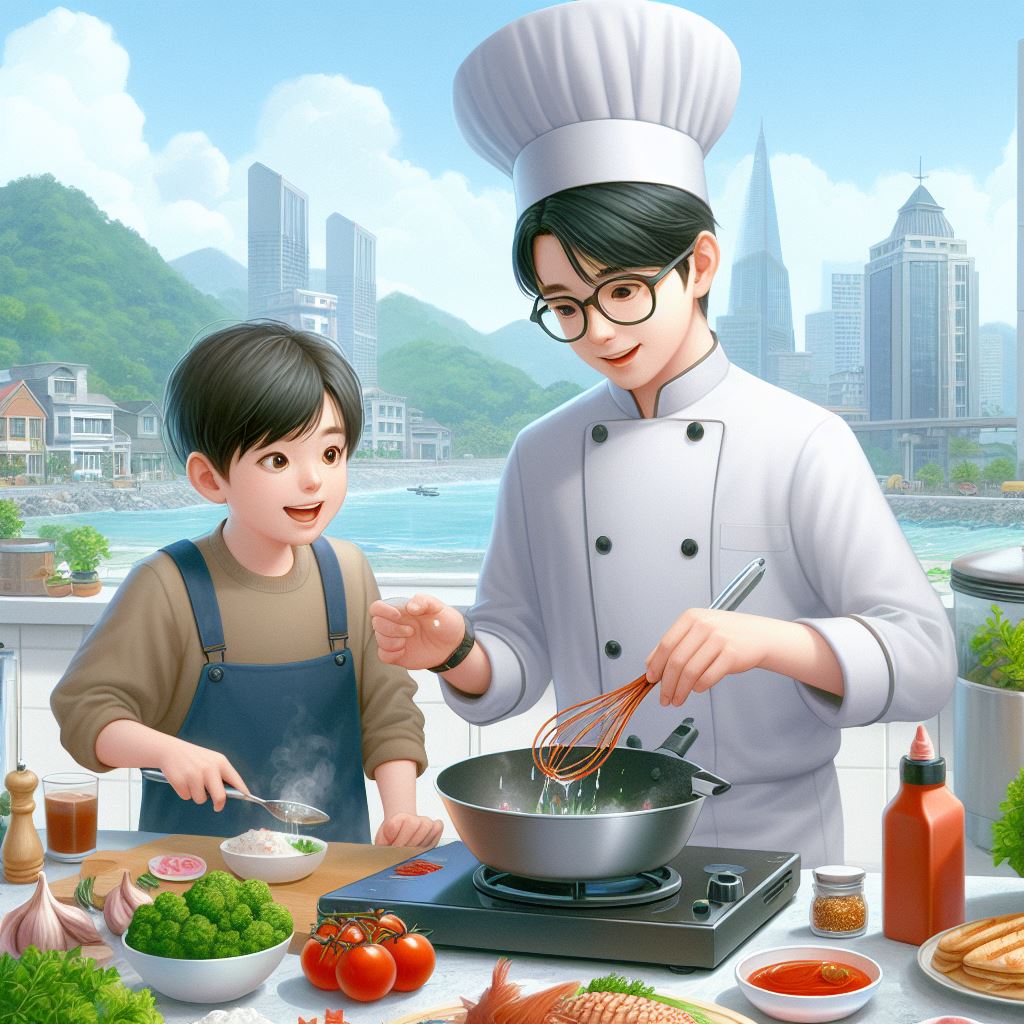
Creating lasting memories and fostering valuable skills through the joy of cooking with your kids.
The kitchen is not merely a place for preparing meals; it’s a space where families can come together, share stories, and create enduring memories. Cooking with your kids is a delightful journey that goes beyond the simple act of making food. It’s an opportunity to connect, bond, and impart essential life skills to the younger generation. In this article, we’ll delve into the myriad benefits of cooking with kids, exploring the joy, education, and lifelong traditions that can be woven into the fabric of your family life.
Cooking is more than a chore; it’s a celebration waiting to happen. Now, let’s dive into the heart of the matter and uncover the wonders that await you in the kitchen with your little ones.
The Joy of Bonding in the Kitchen
Quality Time Redefined: Exploring the unique bonding experiences that cooking with kids can offer.
In the hustle and bustle of daily life, finding quality time to spend with your children can be a challenge. However, the kitchen provides a perfect setting for redefining what quality time means. Engaging in a cooking adventure with your kids not only creates a shared activity but also opens the door to meaningful conversations and laughter.
To make the most of this experience, start with simple recipes that match your child’s age and abilities. Allow them to take charge of specific tasks, whether it’s stirring, pouring, or even measuring ingredients. This not only makes them feel involved but also instills a sense of responsibility. As you work together towards a common goal, you’ll find that the kitchen becomes a space where stories are shared, and bonds are strengthened.
Remember, it’s not about creating a perfect dish; it’s about creating perfect moments. So, put on those aprons, gather your ingredients, and let the joyous journey of bonding in the kitchen begin.
Educational Benefits for Little Chefs
From Play to Learning: Unveiling the educational advantages of turning the kitchen into a classroom.
Cooking with kids is not just about preparing meals; it’s a hands-on learning experience that can ignite their curiosity and foster a love for discovery. The kitchen becomes a dynamic classroom where various subjects come to life, making learning enjoyable for your little ones.
Mathematics Meets Mixing: Cooking provides an excellent opportunity to introduce basic mathematical concepts in a practical context. From measuring ingredients to understanding fractions, your child can grasp mathematical principles while engaging in the delightful process of creating something delicious. Use recipes as a fun way to reinforce counting, measurement, and even addition and subtraction.
To make the learning experience more interactive, consider involving your child in meal planning and grocery shopping. This not only enhances their math skills but also teaches them about budgeting and making informed choices. The kitchen, transformed into a classroom, becomes a space where education seamlessly blends with the joy of culinary exploration.
As you embark on this educational journey, remember to keep it light-hearted and enjoyable. The goal is not perfection but rather an appreciation for learning through hands-on experiences in the heart of your home.
Developing Essential Life Skills
Confidence in the Kitchen: How cooking empowers kids and boosts their self-esteem.
The kitchen is a playground for developing essential life skills, and one of the most significant outcomes is the boost in your child’s confidence. As they take on age-appropriate tasks in the kitchen, from peeling vegetables to cracking eggs, they gradually gain a sense of accomplishment and self-assurance.
Start by assigning simple tasks that match your child’s abilities. As they successfully complete each step, praise their efforts and highlight the importance of their contribution to the overall meal preparation. This positive reinforcement not only builds their confidence but also instills a sense of responsibility and pride in their abilities.
Teamwork on the Menu: Cooking with kids is a collaborative effort that teaches the value of teamwork. Assign specific roles to each family member, emphasizing the importance of cooperation in the kitchen. Whether it’s setting the table, washing vegetables, or stirring the pot, every task contributes to the success of the meal.
Encourage open communication and problem-solving during the cooking process. This not only enhances their interpersonal skills but also lays the foundation for effective teamwork. The kitchen becomes a space where everyone’s contribution is valued, fostering a sense of belonging and cooperation.
As you witness your child’s growing confidence and teamwork skills, you’ll realize that the kitchen is more than just a place to prepare meals—it’s a classroom for life’s invaluable lessons.
Nourishing Healthy Habits
Nutrition Education: Instilling a love for wholesome ingredients and balanced meals.
Cooking with kids is a gateway to instilling healthy eating habits from an early age. By involving them in the process of selecting, preparing, and cooking ingredients, you have the opportunity to educate them about the importance of nutritious foods.
Make grocery shopping a learning adventure by discussing the benefits of various fruits, vegetables, and grains. Encourage your child to choose fresh, colorful ingredients, explaining how each contributes to a balanced and nourishing meal. This not only enhances their understanding of nutrition but also empowers them to make healthy food choices.
Tackling Picky Eating: If you have a picky eater at home, involving them in the cooking process can be a game-changer. When kids actively participate in preparing a meal, they are more likely to be curious and open-minded about trying new foods. Experiment with different recipes, textures, and flavors to expand their palate and create a positive relationship with a variety of foods.
Remember, the goal is not to force specific foods but to cultivate a genuine interest in wholesome ingredients. The kitchen becomes a platform for exploring the world of nutrition, turning mealtimes into enjoyable and educational experiences.
Creating Lasting Traditions
Family Rituals in the Kitchen: Establishing cooking as a cherished family tradition.
The kitchen holds the potential to be more than just a place for preparing meals—it can be the heart of cherished family traditions. Cooking together creates rituals and routines that strengthen family bonds and provide a sense of continuity across generations.
Start by designating specific days or occasions for family cooking sessions. It could be a weekly pizza night, a monthly themed dinner, or even a special holiday baking tradition. These moments become much more than just preparing food; they transform into shared experiences that weave the fabric of your family’s history.
Passing Down Recipes: A unique way to create lasting traditions is by passing down family recipes. Whether it’s your grandmother’s secret cookie recipe or a beloved Sunday dinner tradition, involve your kids in the process of preserving these culinary treasures. As you cook together, share stories about the origins of the recipes and the special occasions they were associated with.
The kitchen becomes a space where traditions are not just spoken but lived. These shared moments not only create lasting memories but also provide a sense of belonging and connection to family heritage.
As you embark on the journey of creating lasting traditions in the kitchen, remember that the value lies not just in the outcome but in the shared experience and the stories that accompany each recipe.
Tips for Successful Cooking with Kids
Age-Appropriate Tasks: Tailoring kitchen activities to your child’s developmental stage.
Successfully cooking with kids involves understanding and adapting to their capabilities at different ages. Tailor the tasks you assign based on your child’s developmental stage to ensure a positive and enjoyable experience in the kitchen.
For younger children, focus on simple and safe activities such as washing fruits, tearing lettuce, or stirring ingredients. As they grow older, gradually introduce more complex tasks like measuring, chopping (under supervision), and following recipes. This incremental approach allows them to build skills progressively and fosters a sense of accomplishment.
Safety First: Implementing safety measures to ensure a fun and secure cooking environment.
Creating a safe environment in the kitchen is paramount when cooking with kids. Establish ground rules and teach them basic kitchen safety, such as proper handling of utensils, safe stove practices, and the importance of handwashing.
Invest in age-appropriate kitchen tools and utensils to make the cooking process more accessible and safer for your child. Supervise them closely, especially when dealing with heat or sharp objects. By prioritizing safety, you create an environment where kids can confidently explore the joys of cooking without unnecessary risks.
Remember, the goal is to make the kitchen an inviting space for learning and collaboration, and safety is the foundation for an enjoyable cooking experience with your little chefs.
A Culinary Journey: Encouraging readers to embark on their own cooking adventures with their little ones.
As we conclude this exploration of the benefits of cooking with kids, it’s important to recognize that the kitchen holds immeasurable potential for creating lasting memories, fostering education, and building strong family bonds. The experiences shared in the kitchen are not just about the food on the table; they are about the laughter, the learning, and the love infused into every dish.
Embarking on a culinary journey with your kids is more than following a recipe—it’s a celebration of togetherness, a classroom for life’s lessons, and the establishment of traditions that endure across generations. Through the simple act of cooking together, you open the door to a world of possibilities and create a space where your family’s unique story unfolds.
Finding Your Flavor: Emphasizing that while this guide offers valuable insights, each family should discover their unique path in the kitchen.
While this guide provides a roadmap to the joys and benefits of cooking with kids, it’s essential to remember that every family is unique. Your culinary journey may take unexpected turns, and that’s perfectly fine. The key is to savor the moments, adapt to your family’s preferences and dynamics, and most importantly, enjoy the process.
Experiment with recipes, create your traditions, and let the kitchen be a canvas for your family’s creativity. As you discover your flavor of cooking with kids, you’ll find that the rewards extend far beyond the delicious meals—it’s the shared laughter, the lessons learned, and the bonds strengthened that truly make the kitchen the heart of your home.