


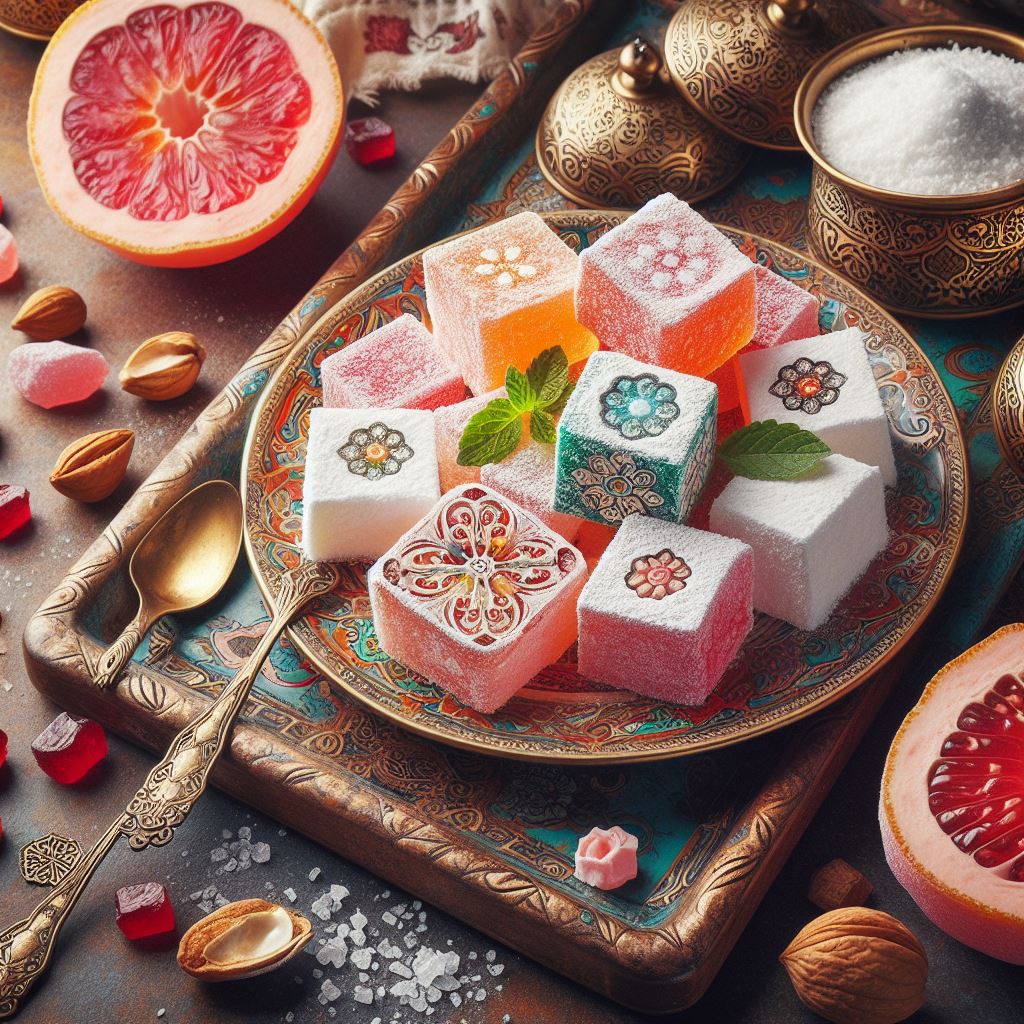
Savoring Turkish Delight: Exploring its Cultural Impact and Sweet Legacy invites you on a journey through time and taste, where each bite tells a story steeped in history and tradition.
Turkish Delight, known as “lokum” in its homeland, is a confectionary marvel beloved by cultures around the globe. But what exactly is it? Imagine a bite-sized morsel of sweet, chewy delight infused with flavors like rosewater, lemon, or pistachio. It’s a treat that tantalizes the taste buds and transports you to the bustling bazaars of Istanbul or the opulent palaces of the Ottoman Empire.
Join us as we uncover the origins, cultural significance, and modern adaptations of this iconic sweet treat. Get ready to indulge your senses and discover the magic of Turkish Delight!
Origins of Turkish Delight
Step back in time to the opulent courts of the Ottoman Empire, where the story of Turkish Delight begins. Legend has it that this delightful confection was first created in the royal kitchens of the sultans, who were known for their extravagant tastes and love of sweet indulgences.
The exact origins of Turkish Delight are shrouded in mystery, but it’s believed to have been invented during the 18th century. Its creation was inspired by the desire to craft a luxurious treat fit for royalty, combining the finest ingredients with exquisite craftsmanship.
Turkish Delight was initially reserved for the elite of Ottoman society, enjoyed as a symbol of wealth and status. But as trade routes expanded and culinary traditions spread, it soon became popular among people from all walks of life.
The recipe for Turkish Delight has evolved over the centuries, with each generation adding its own unique twist. Yet, at its core, it remains a symbol of indulgence and refinement, capturing the essence of Turkish hospitality and culinary artistry.
Cultural Significance
Beyond its delectable flavor, Turkish Delight holds a special place in the hearts and minds of people across the globe. Its cultural significance extends far beyond its origins in the Ottoman Empire, resonating with people of all backgrounds and traditions.
In literature and popular culture, Turkish Delight has been immortalized as a symbol of temptation and desire. From the enchanted wardrobe of C.S. Lewis’s “The Lion, the Witch, and the Wardrobe” to the whimsical tales of “The Arabian Nights,” it has captured the imagination of generations.
In Turkey and beyond, Turkish Delight is more than just a sweet treat – it’s an integral part of cultural rituals and celebrations. Whether it’s served during weddings, holidays, or special occasions, it’s a symbol of generosity, hospitality, and goodwill.
The symbolism of Turkish Delight varies from region to region, but it often represents sweetness and prosperity. In some cultures, it’s exchanged as a token of love and affection, while in others, it’s offered as a gesture of friendship and hospitality.
As you savor each bite of Turkish Delight, take a moment to appreciate the rich tapestry of culture and tradition that surrounds it. From the bustling streets of Istanbul to the quiet corners of a neighborhood cafe, it’s a reminder of the shared joys that unite us all.
Regional Variations and Modern Adaptations
While the classic recipe for Turkish Delight remains beloved, there’s no shortage of regional variations and modern twists on this timeless treat. From the bustling markets of Istanbul to the trendy cafes of New York City, each locale puts its own spin on this sweet delicacy.
In Turkey, you’ll find a dazzling array of Turkish Delight flavors, from traditional favorites like rosewater and pistachio to innovative creations like pomegranate and mint. Each region boasts its own specialties, reflecting the local ingredients and culinary traditions.
Outside of Turkey, Turkish Delight has undergone a renaissance of sorts, with chefs and confectioners putting their own creative spin on this classic treat. Whether it’s infusing it with exotic spices or incorporating it into decadent desserts, there’s no limit to the possibilities.
But no matter where you go, the essence of Turkish Delight remains the same – a bite-sized indulgence that transports you to a world of flavor and delight. So whether you’re a purist or a trendsetter, there’s a version of Turkish Delight that’s sure to tickle your taste buds.
Making Turkish Delight: A Step-by-Step Guide
Ready to embark on your own culinary adventure and create your very own batch of Turkish Delight? Look no further! Follow these simple steps to whip up a batch of this sweet confection in the comfort of your own kitchen.
- Gather Your Ingredients: To make Turkish Delight, you’ll need sugar, water, cornstarch, cream of tartar, flavorings (such as rosewater or lemon juice), and optional additions like nuts or dried fruits.
- Prepare Your Equipment: You’ll need a heavy-bottomed saucepan, a candy thermometer, a whisk or wooden spoon, and a shallow baking dish lined with parchment paper.
- Combine Sugar and Water: In your saucepan, combine sugar and water over medium heat, stirring until the sugar is dissolved. Bring the mixture to a boil, then reduce the heat to a simmer.
- Cook the Mixture: Attach your candy thermometer to the side of the saucepan and cook the sugar mixture until it reaches the soft-ball stage (around 240°F/115°C). This will take about 20-30 minutes.
- Thicken the Mixture: In a separate bowl, mix cornstarch, cream of tartar, and water to form a smooth paste. Slowly pour this mixture into the simmering sugar syrup, whisking continuously to prevent lumps from forming.
- Flavor and Customize: Once the mixture has thickened, remove it from the heat and stir in your chosen flavorings, as well as any nuts or dried fruits you’d like to add.
- Set and Slice: Pour the mixture into your prepared baking dish and smooth it out with a spatula. Let it cool and set at room temperature for several hours or overnight. Once set, use a sharp knife to slice the Turkish Delight into bite-sized pieces.
- Dust and Serve: Dust the Turkish Delight pieces with powdered sugar or cornstarch to prevent sticking, then serve them up on a platter for friends and family to enjoy.
With these simple steps, you’ll be well on your way to creating your own batch of Turkish Delight that’s sure to impress. So roll up your sleeves, gather your ingredients, and let the magic begin!
Serving and Enjoying Turkish Delight
Now that you’ve mastered the art of making Turkish Delight, it’s time to elevate the experience with some tips on serving and enjoying this delectable treat.
- Presentation is Key: When serving Turkish Delight, presentation matters. Arrange the pieces on a decorative platter or in a fancy serving dish to create an inviting display that will delight your guests.
- Pairing Suggestions: While Turkish Delight is delicious on its own, it can also be paired with other foods and beverages to enhance the flavor experience. Consider serving it alongside a hot cup of Turkish coffee or a refreshing glass of mint tea for a truly authentic experience.
- Cultural Etiquette: In Turkish culture, offering Turkish Delight to guests is a sign of hospitality and goodwill. If you’re serving it in a social setting, be sure to offer it graciously and with a warm smile.
- Texture and Flavor: When enjoying Turkish Delight, pay attention to both the texture and flavor. The chewy, slightly sticky texture should give way to a burst of flavor with each bite, whether it’s the floral notes of rosewater or the nutty richness of pistachio.
- Moderation is Key: While it’s tempting to indulge in Turkish Delight to your heart’s content, remember to enjoy it in moderation. Like any sweet treat, it’s best enjoyed as part of a balanced diet.
- Cultural Context: Take a moment to appreciate the cultural context of Turkish Delight as you savor each bite. Whether you’re enjoying it at home or abroad, it’s a reminder of the rich tapestry of history and tradition that surrounds this beloved confection.
So go ahead, serve up a plate of Turkish Delight and savor the sweet taste of tradition. Whether you’re sharing it with friends or enjoying it on your own, it’s sure to be a memorable experience that delights the senses and warms the heart.
Health Benefits and Nutritional Information
While Turkish Delight is undoubtedly a delicious indulgence, it’s also worth considering its potential health benefits and nutritional content.
- Nutritional Breakdown: Turkish Delight is primarily made from sugar, water, and starch, with additional flavorings and optional additions like nuts or dried fruits. As such, it’s relatively low in fat but high in sugar and carbohydrates.
- Potential Health Benefits: Some of the ingredients found in Turkish Delight, such as nuts and fruits, contain essential nutrients like vitamins, minerals, and antioxidants. For example, pistachios are rich in protein and healthy fats, while rosewater may have anti-inflammatory properties.
- Moderation and Balance: While Turkish Delight can be enjoyed as part of a balanced diet, it’s important to consume it in moderation due to its high sugar content. Enjoying it as an occasional treat alongside other nutrient-rich foods is key to maintaining a healthy lifestyle.
- Dietary Considerations: If you have dietary restrictions or preferences, there are ways to customize Turkish Delight to suit your needs. For example, you can use alternative sweeteners like honey or agave syrup, or opt for sugar-free versions if you’re watching your sugar intake.
- Mindful Eating: When enjoying Turkish Delight, practice mindful eating by savoring each bite and paying attention to your body’s hunger and fullness cues. This can help prevent overindulgence and promote a healthier relationship with food.
- Cultural Perspective: In many cultures, including Turkish culture, food is not just nourishment for the body but also nourishment for the soul. Turkish Delight is often enjoyed as part of social gatherings and celebrations, adding joy and sweetness to special occasions.
By being mindful of your portions and choosing Turkish Delight as part of a balanced diet, you can enjoy its delicious flavor while still supporting your overall health and well-being.
As we come to the end of our journey through the world of Turkish Delight, it’s important to remember that this article is merely a guide – a starting point for your own exploration and discovery.
From its origins in the Ottoman Empire to its modern-day adaptations, Turkish Delight is more than just a sweet treat – it’s a symbol of culture, tradition, and hospitality. Whether you’re savoring it at home with loved ones or indulging in a taste of Turkey abroad, each bite tells a story that spans centuries.
So go ahead, embrace the sweetness of Turkish Delight and let its flavors transport you to distant lands and times gone by. Whether you’re a connoisseur or a newcomer, there’s always more to learn and experience when it comes to this iconic confection.
As you continue your culinary journey, remember to savor each moment and cherish the memories made along the way. And who knows? Perhaps your next adventure will lead you to discover a new favorite flavor or tradition to share with friends and family.
In the end, the joy of Turkish Delight lies not just in its delicious taste, but in the stories it inspires and the connections it fosters. So here’s to the sweet moments shared and the memories yet to come – may your journey be as delightful as the confection itself.