


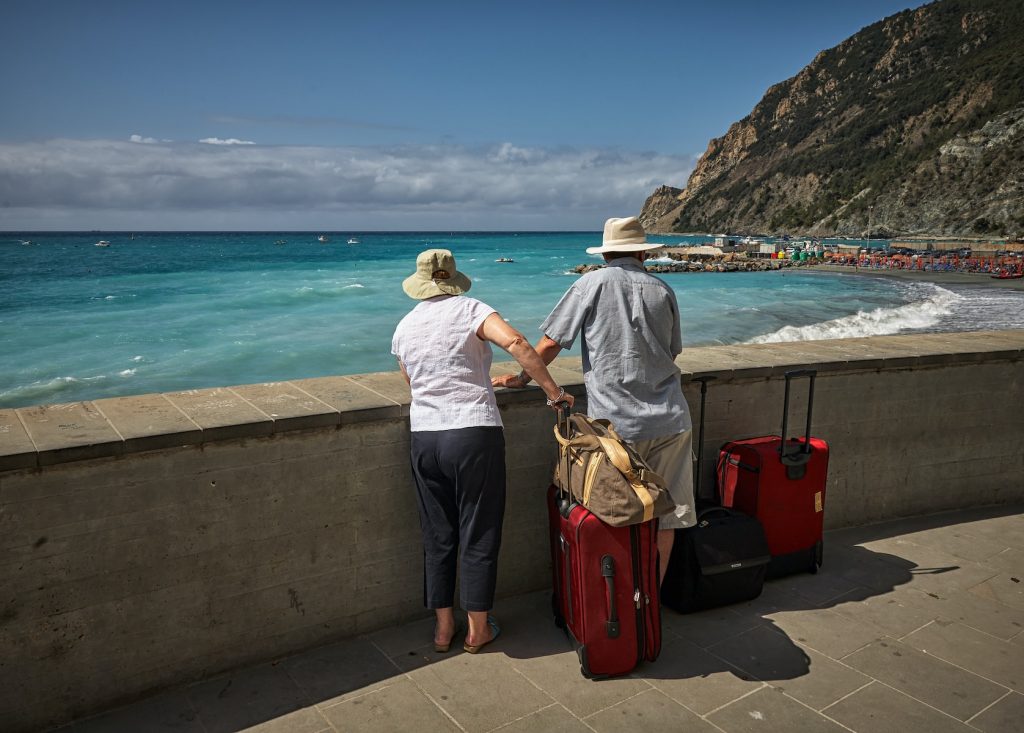
Travel is a transformative experience that should be accessible to everyone, regardless of physical disabilities. With the right planning and preparation, individuals with disabilities can embark on fulfilling journeys and explore the world. In this article, we will delve into the topic of traveling with disabilities, highlighting accessible destinations and accommodations. By understanding the unique needs and requirements of travelers with disabilities, we can promote inclusivity and ensure that everyone has the opportunity to enjoy enriching travel experiences.
- Researching Accessible Destinations: When planning a trip, it is crucial to research destinations that prioritize accessibility. Look for cities or countries that have implemented inclusive policies, infrastructure, and services to accommodate travelers with disabilities. Consider factors such as accessible transportation, wheelchair-friendly attractions, and availability of support services.
- Choosing Accessible Accommodations: Selecting suitable accommodations is essential for a comfortable and hassle-free trip. Look for hotels, resorts, or vacation rentals that offer accessible rooms or facilities, such as wheelchair ramps, elevators, and accessible bathrooms. Prioritize accommodations that have been certified or recognized for their accessibility standards.
- Transportation Considerations: Research the transportation options available at your destination to ensure smooth mobility throughout your trip. Look for wheelchair-accessible taxis, accessible public transportation, and airports with disability-friendly facilities. Inform airlines or other transportation providers about your specific needs in advance to arrange for necessary assistance.
- Accessible Attractions and Activities: When planning your itinerary, consider visiting attractions and engaging in activities that cater to individuals with disabilities. Many tourist sites now offer accessible pathways, ramps, and audio guides. Additionally, look for wheelchair-friendly tours, museums with accessibility features, and inclusive recreational activities.
- Medical and Accessibility Resources: Before traveling, gather information about medical facilities and accessibility resources at your destination. Research local hospitals, clinics, and pharmacies that are equipped to handle your specific needs. Keep a list of emergency contacts, including local disability organizations or support groups that can offer assistance if required.
- Packing Essentials: Make a checklist of essential items to pack that cater to your specific accessibility needs. This may include mobility aids, medical supplies, assistive devices, and any necessary documentation related to your disability. It’s also wise to carry extra medication and copies of prescriptions in case of emergencies.
- Seek Local Advice and Support: Reach out to local disability organizations or travel agencies specializing in accessible travel for guidance and support. They can provide valuable insights, recommendations, and assistance in planning your trip. Local knowledge can enhance your travel experience and help you navigate potential challenges.
- Advocating for Accessibility: As a traveler with a disability, your experiences and feedback can contribute to the ongoing improvement of accessibility in the travel industry. Share your positive experiences and provide constructive feedback to hotels, attractions, and transportation providers. Your voice can inspire positive change and encourage businesses to invest in inclusive practices.
Traveling with disabilities should not be limited by physical barriers. By researching accessible destinations, choosing appropriate accommodations, and considering transportation and accessibility resources, individuals with disabilities can embark on fulfilling journeys. Embracing inclusive travel practices promotes equal opportunities and enriches the travel experiences of all individuals, regardless of their physical abilities. Let us strive to create a world where everyone can explore and appreciate the beauty of diverse destinations.