


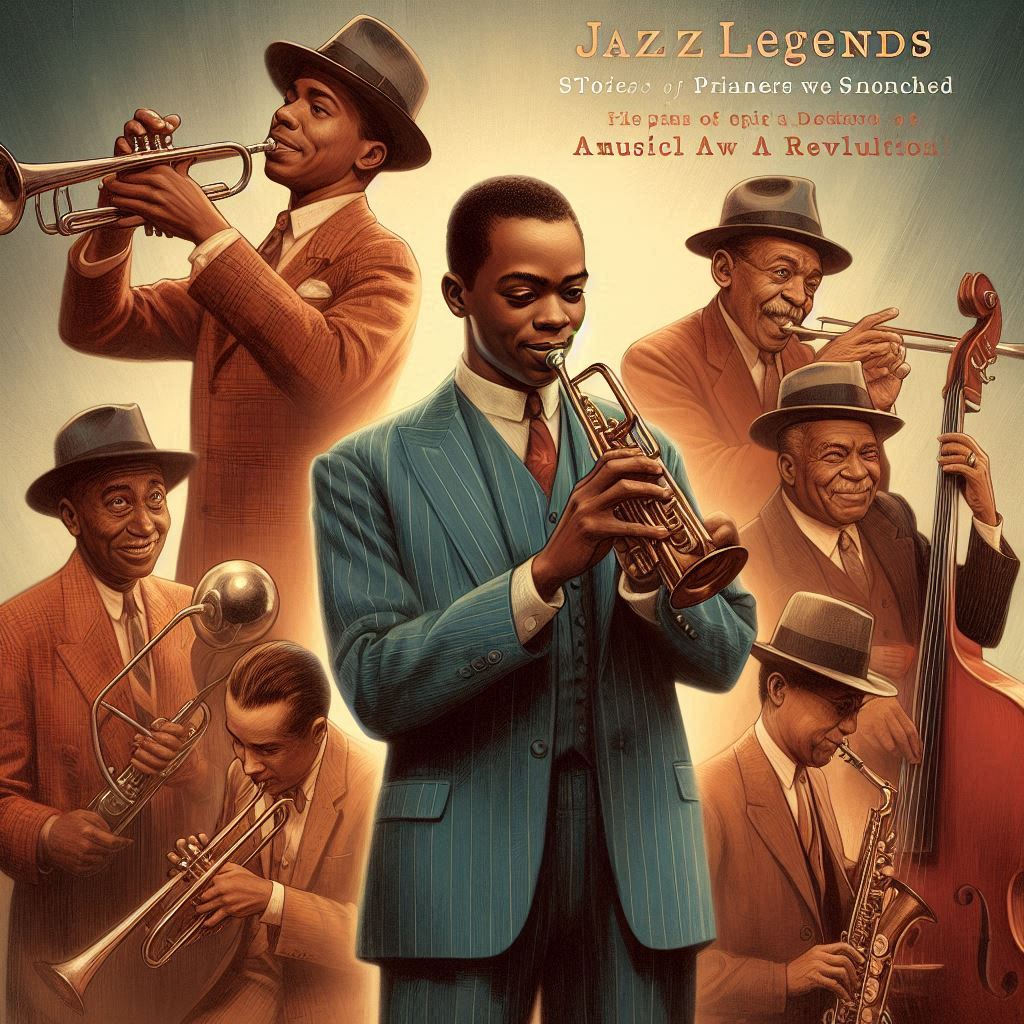
Imagine a time when the air was filled with the sultry sounds of trumpets, the rhythmic pulse of drums, and the soulful crooning of jazz vocalists. Jazz wasn’t just a genre of music; it was a cultural revolution that swept through the 20th century, captivating audiences and inspiring generations of musicians. In this journey through the annals of jazz history, we’ll delve into the lives and legacies of the pioneers who shaped this musical revolution. So, sit back, relax, and let’s embark on a melodious adventure!
Louis Armstrong: The Trumpet Virtuoso
In the heart of New Orleans, a young boy named Louis Armstrong found solace in the vibrant rhythms of the city’s streets. Born into poverty, Armstrong faced countless challenges, but his love for music knew no bounds. Louis Armstrong‘s journey from a humble upbringing to becoming one of the most influential figures in jazz history is nothing short of remarkable.
Early Life and Influences
Louis Armstrong’s childhood was filled with hardship, but it was also enriched by the diverse musical traditions of New Orleans. Raised in a neighborhood teeming with jazz clubs and brass bands, Armstrong soaked up the sounds of ragtime, blues, and spirituals like a sponge. It was here that he first picked up the trumpet, a decision that would change the course of his life forever.
Breakthrough Moments
Armstrong’s talent soon caught the attention of influential musicians, including King Oliver, who became his mentor. In the 1920s, Armstrong joined Fletcher Henderson‘s band in New York City, where he quickly rose to prominence as a leading trumpet virtuoso. His groundbreaking recordings, such as “West End Blues” and “Potato Head Blues,” showcased his unparalleled skill and innovation, earning him widespread acclaim.
Legacy and Influence
Beyond his technical prowess, Louis Armstrong’s charismatic stage presence and unique vocal style endeared him to audiences worldwide. His collaborations with artists like Ella Fitzgerald and Duke Ellington set new standards for musical excellence. But perhaps Armstrong’s greatest legacy lies in his role as an ambassador for jazz, spreading its joyous rhythms to every corner of the globe. Today, his influence can be heard in the performances of countless jazz musicians, ensuring that his legacy lives on for generations to come.
Duke Ellington: The Master of Swing
In the bustling streets of Harlem, another musical genius was making waves. Duke Ellington, with his suave demeanor and impeccable sense of style, redefined the jazz landscape with his pioneering approach to composition and performance. Let’s delve into the captivating story of the man who became known as the Master of Swing.
Rise to Prominence
Duke Ellington’s rise to prominence was fueled by his relentless drive and unparalleled creativity. In the 1920s, he formed the Duke Ellington Orchestra, a musical powerhouse that became synonymous with the jazz age. Ellington’s innovative use of orchestration and his ability to blend diverse musical influences set him apart from his peers, earning him a devoted following and critical acclaim.
Signature Style
Ellington’s music was characterized by its rich harmonies, infectious rhythms, and sophisticated arrangements. His compositions, such as “Take the ‘A’ Train” and “Mood Indigo,” showcased his mastery of form and structure, while his dynamic performances electrified audiences around the world. Ellington’s unique ability to blend elements of jazz, blues, and classical music created a sound that was both groundbreaking and timeless.
Cultural Legacy
Beyond his musical contributions, Duke Ellington was a trailblazer for racial equality in the music industry. At a time when segregation was rampant, Ellington’s success served as a powerful symbol of African American excellence. He broke down barriers and paved the way for future generations of jazz artists to thrive. Today, his influence can be felt not only in the world of music but also in the broader cultural landscape, where his legacy continues to inspire and uplift.
Billie Holiday: The Voice of Jazz
In the smoky clubs of Harlem and beyond, one voice reigned supreme, captivating audiences with its raw emotion and haunting beauty. Billie Holiday, known as Lady Day, emerged as one of the most iconic figures in jazz history, leaving an indelible mark on the genre with her soulful interpretations and poignant lyrics.
Turbulent Beginnings
Billie Holiday’s journey to jazz stardom was marked by hardship and adversity. Born into poverty in Philadelphia, she endured a tumultuous childhood marked by abuse and instability. Yet, despite the odds stacked against her, Holiday found solace in music, using her voice as a means of escape and expression.
Soulful Expressions
Holiday’s vocal style was unlike anything the world had ever heard before. With her distinctive phrasing and emotive delivery, she breathed new life into classic jazz standards like “Strange Fruit” and “God Bless the Child.” Holiday didn’t just sing songs; she poured her heart and soul into every note, creating a deeply personal connection with her audience.
Enduring Influence
Though her life was tragically cut short, Billie Holiday’s impact on jazz and popular music is immeasurable. Her fearless honesty and unwavering authenticity continue to inspire artists across genres, from jazz to R&B to pop. Holiday’s legacy is a testament to the power of music to transcend barriers and touch the human soul.
Miles Davis: The Innovator
In the cool, dimly lit clubs of New York City, a musical revolution was brewing. At the forefront of this movement stood Miles Davis, a visionary trumpeter and composer whose restless spirit and relentless innovation transformed the landscape of jazz forever. Let’s explore the electrifying story of the man behind the music.
Early Years and Influences
From his early days in the bustling streets of East St. Louis to his groundbreaking collaborations with Charlie Parker and John Coltrane, Miles Davis was always ahead of his time. His insatiable curiosity and eclectic tastes led him to explore a wide range of musical genres, from bebop to cool jazz to fusion. Along the way, he absorbed a myriad of influences, incorporating elements of classical, modal, and Indian music into his own distinctive sound.
Musical Evolution
Davis’s career was defined by constant experimentation and reinvention. In the 1950s, he spearheaded the cool jazz movement with albums like “Birth of the Cool,” which showcased his understated yet lyrical trumpet playing. As the decade progressed, Davis embraced modal jazz, famously exploring new harmonic territories on his landmark album “Kind of Blue.” In the 1960s and 70s, he pushed the boundaries even further, delving into fusion and incorporating elements of rock and funk into his music.
Trailblazing Legacy
Miles Davis’s impact on jazz and popular music cannot be overstated. His restless quest for innovation inspired countless musicians to think outside the box and push the boundaries of their art. From his early recordings with Charlie Parker to his groundbreaking collaborations with Gil Evans and Herbie Hancock, Davis left an indelible mark on the world of music, cementing his legacy as one of the greatest innovators in jazz history.
As we come to the end of our journey through the lives and legacies of Jazz Legends, it’s clear that their impact extends far beyond the confines of the jazz world. From Louis Armstrong’s infectious energy to Duke Ellington’s sophisticated elegance, from Billie Holiday’s raw emotion to Miles Davis’s restless innovation, each of these pioneers has left an indelible mark on music and culture.
But our exploration is only the beginning. The world of jazz is vast and diverse, filled with countless stories waiting to be discovered. So, whether you’re a seasoned aficionado or a curious newcomer, I encourage you to delve deeper, explore further, and uncover the rich tapestry of sounds and stories that make up the world of jazz.
Remember, this article is merely a guide, a starting point for your own journey of discovery. So, let the music be your guide, and may the rhythms of jazz inspire you to seek out new horizons and embrace the endless possibilities of musical expression.