


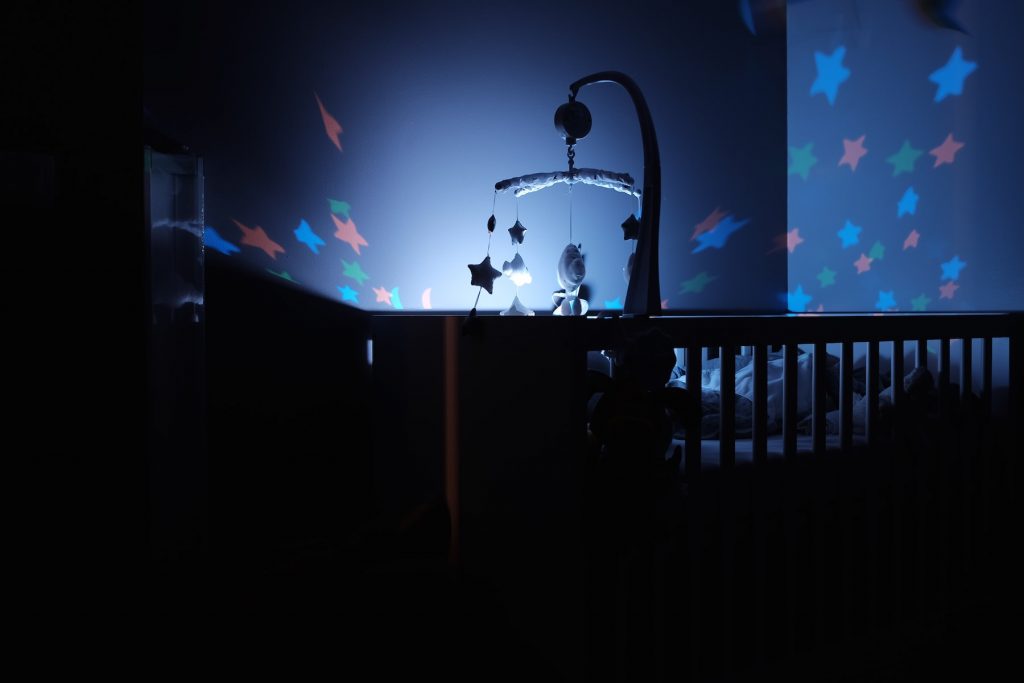
Creating a safe and peaceful sleep environment is crucial for the well-being of your baby. As a parent or caregiver, it’s important to be aware of safe sleep practices to reduce the risk of Sudden Infant Death Syndrome (SIDS) and other sleep-related incidents. This comprehensive guide will provide you with essential information and guidelines for establishing a safe and soothing sleep environment for your baby.
- Back to Sleep: The American Academy of Pediatrics (AAP) recommends placing infants on their backs to sleep to reduce the risk of SIDS. This position allows for optimal breathing and prevents the baby from rebreathing exhaled carbon dioxide.
- Use a Firm and Safety-Approved Crib Mattress: Ensure that your baby’s crib mattress is firm and fits snugly within the crib. Avoid using soft mattresses or cushions that could pose suffocation hazards. Look for mattresses that meet safety standards and certifications.
- Keep the Crib Bare: Remove any loose bedding, pillows, stuffed animals, or crib bumpers from the sleeping area. These items can pose suffocation or strangulation risks. Dress your baby in a sleep sack or wearable blanket for warmth instead of using loose blankets.
- Maintain Optimal Room Temperature: Keep the room where your baby sleeps at a comfortable temperature, typically between 68-72°F (20-22°C). Use a room thermometer to monitor and regulate the temperature. Avoid overdressing your baby to prevent overheating.
- Avoid Co-Sleeping: It is safest for your baby to sleep in a separate crib or bassinet, rather than sharing a bed with adults or siblings. Co-sleeping increases the risk of accidental suffocation, entrapment, or overlaying.
- Room-Sharing for the First Six Months: The AAP recommends room-sharing, where the baby sleeps in the same room as the parents but on a separate sleep surface, for at least the first six months. This arrangement allows for easy monitoring and breastfeeding, which is beneficial for both the baby and parents.
- Pacifier Use: Consider offering a pacifier to your baby at naptime and bedtime. Research suggests that pacifiers may help reduce the risk of SIDS. If breastfeeding, wait until breastfeeding is well-established before introducing a pacifier.
- Breastfeeding: Breastfeeding provides numerous benefits for your baby’s health, including a reduced risk of SIDS. Aim to breastfeed exclusively for the first six months and continue breastfeeding alongside complementary foods until at least one year.
- Avoid Smoking and Smoke Exposure: Keep your baby’s environment smoke-free. Smoking during pregnancy and exposing your baby to secondhand smoke increases the risk of SIDS. Ensure that caregivers and visitors also refrain from smoking near the baby.
- Regular Check-ups and Immunizations: Schedule regular well-baby check-ups with your pediatrician. These visits allow for monitoring your baby’s growth and development. Follow the recommended immunization schedule to protect against vaccine-preventable diseases.
Creating a safe sleep environment for your baby is crucial for their well-being and safety. By following these safe sleep practices, including placing your baby on their back to sleep, using a firm mattress, keeping the crib bare, maintaining a comfortable room temperature, and avoiding co-sleeping, you can promote a peaceful and safe sleep routine for your little one. Remember, always consult with your pediatrician for personalized guidance on safe sleep practices for your baby.