


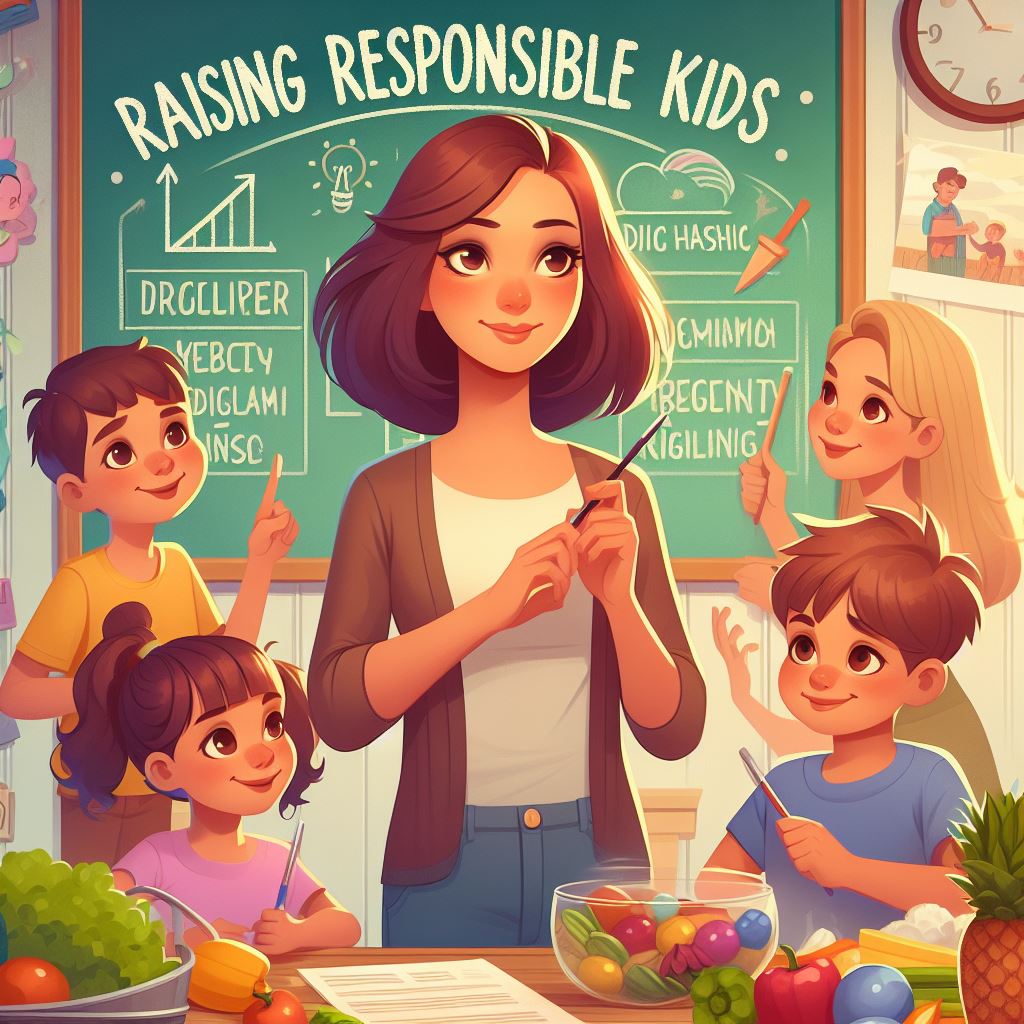
As parents, guardians, or mentors, one of our most significant tasks is instilling a sense of responsibility in our children. Teaching kids responsibility goes beyond just completing tasks; it shapes their character, builds confidence, and prepares them for the challenges of adulthood. In this article, we’ll explore practical tips and strategies to help you navigate this rewarding journey. So, buckle up and let’s dive in!
Understanding Responsibility: Defining Responsibility for Children
Before delving into the nitty-gritty of teaching responsibility, let’s first understand what it means for children. Responsibility encompasses a range of behaviors, from completing chores and homework to taking care of personal belongings. For children, it’s about understanding the impact of their actions, being accountable for their duties, and making thoughtful choices. By teaching responsibility from a young age, we empower our children to become self-reliant individuals capable of contributing positively to society.
Lead by Example: Modeling Responsibility in Daily Life
As the saying goes, “actions speak louder than words,” and this rings especially true when it comes to teaching kids responsibility. Children are keen observers, and they learn best by emulating the behavior of adults around them. Therefore, it’s essential for us, as parents and caregivers, to model responsibility in our daily lives. Whether it’s completing household chores, honoring commitments, or managing finances, demonstrating responsible behavior sets a powerful example for our children to follow. So, let’s lead by example and show our kids what it means to be responsible individuals.
Age-Appropriate Chores: Assigning Chores According to Age and Capability
Chores are not just tasks to be checked off a list; they are valuable opportunities for children to learn responsibility and contribute to the family unit. When assigning chores, it’s crucial to consider your child’s age and capability. Younger children can start with simple tasks like putting away toys or setting the table, while older children can take on more complex responsibilities like doing laundry or mowing the lawn. By matching chores to their abilities, we set our children up for success and instill a sense of pride in their accomplishments.
Encouraging Independence: Allowing Kids to Take Ownership of Tasks
As parents, it’s natural to want to swoop in and rescue our children when tasks become challenging. However, fostering independence is key to teaching responsibility. Encourage your kids to take ownership of tasks and allow them the freedom to problem-solve and make decisions on their own. Whether it’s packing their own lunch for school or completing a homework assignment, stepping back and giving them space to navigate challenges builds confidence and resilience. So, resist the urge to intervene and let your kids spread their wings as they learn and grow.
Setting Clear Expectations: Establishing Clear Rules and Consequences
Clarity is paramount when it comes to teaching responsibility. Establishing clear expectations helps children understand what is required of them and what consequences follow their actions. Sit down with your kids and discuss the rules and responsibilities expected of them, whether it’s completing homework before playtime or tidying up their room before bedtime. Be consistent in enforcing these expectations and follow through with appropriate consequences when needed. By setting clear boundaries, we provide structure and guidance for our children to thrive.
Offering Rewards and Recognition: Using Positive Reinforcement to Encourage Responsible Behavior
Rewarding and recognizing your child’s efforts is a powerful way to reinforce responsible behavior. Positive reinforcement can come in various forms, from verbal praise and stickers to special privileges or outings. Acknowledge and celebrate your child’s achievements, no matter how small, to motivate them to continue practicing responsible behavior. By creating a positive and supportive environment, we foster a sense of pride and accomplishment in our children, encouraging them to strive for excellence in all they do.
Teaching Problem-Solving Skills: Empowering Kids to Find Solutions on Their Own
Life is full of challenges, and teaching kids how to problem-solve is an invaluable skill for navigating the complexities of adulthood. Empower your children to find solutions on their own by encouraging critical thinking and creativity. When faced with a problem, resist the urge to solve it for them; instead, guide them through the process of brainstorming solutions and evaluating their effectiveness. By fostering a problem-solving mindset, we equip our children with the tools they need to overcome obstacles and succeed in life.
Communication and Feedback: Open Dialogue with Children About Responsibilities
Effective communication lays the foundation for a healthy parent-child relationship and is essential for teaching responsibility. Open dialogue with your children about their responsibilities allows them to express their thoughts, concerns, and ideas. Encourage them to share their experiences and challenges, and listen attentively without judgment. Provide constructive feedback and guidance to help them improve and grow. By fostering open communication, we create a supportive environment where children feel valued and understood, paving the way for their development into responsible individuals.
Patience and Persistence: Understanding That Teaching Responsibility Takes Time
Teaching kids responsibility is a journey filled with ups and downs, and it’s essential to approach it with patience and persistence. Understand that change doesn’t happen overnight, and it may take time for your children to fully grasp their responsibilities. Be patient with their mistakes and setbacks, and offer encouragement and support along the way. Stay committed to your efforts, even when progress seems slow, and trust that your consistency will pay off in the long run. Remember, Rome wasn’t built in a day, and neither are responsible, independent adults.
Remember, teaching responsibility is not a one-size-fits-all approach; it requires patience, persistence, and open communication. By equipping our children with the skills and mindset they need to navigate life’s challenges, we empower them to become confident, capable individuals who contribute positively to society. So, embrace the adventure of parenthood, celebrate the small victories, and continue guiding your children as they discover their own path to responsibility.
At the end of the article, add sentences that this article is still only a guide and everyone should explore and reach their own way.