


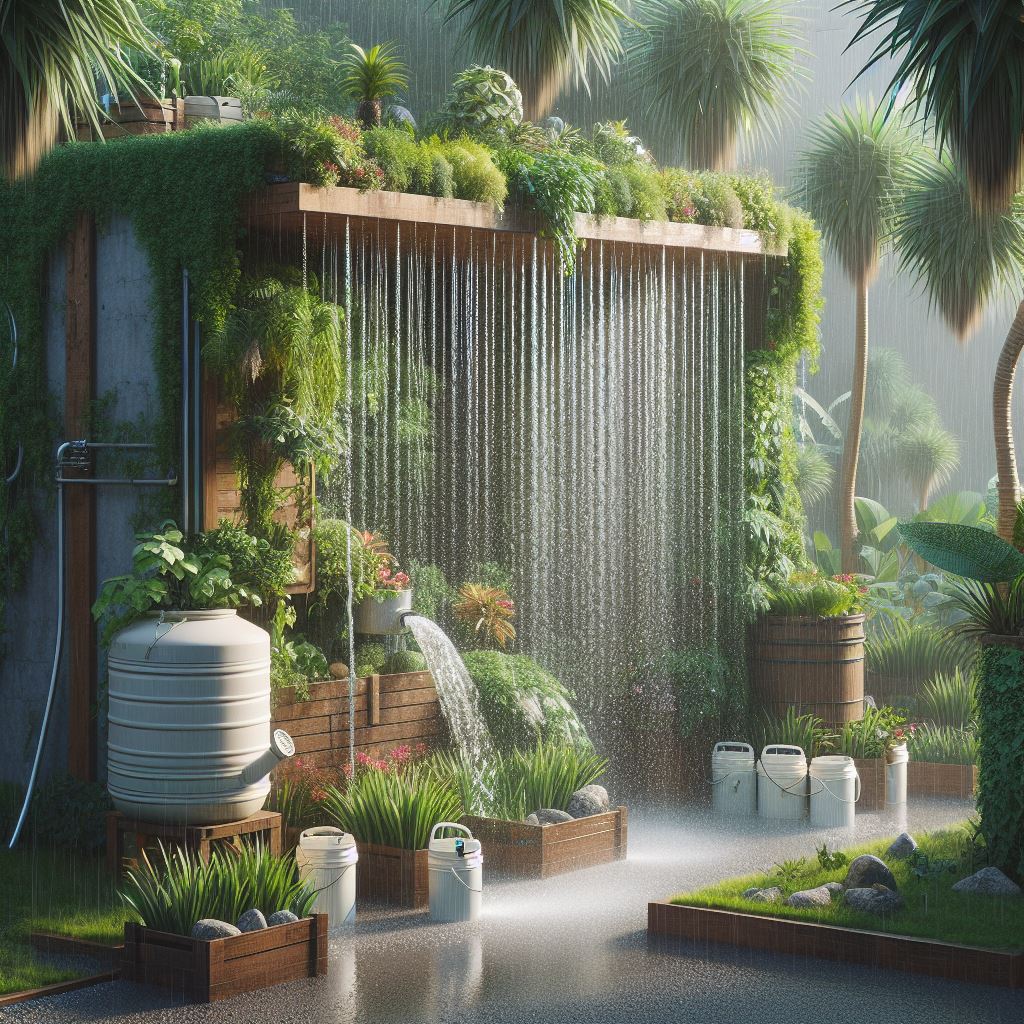
Picture this: a garden teeming with life, vibrant blooms, and lush foliage, all nourished by a source as pure as the heavens themselves – rainwater.
In today’s fast-paced world, where environmental consciousness is on the rise, rainwater harvesting emerges as a beacon of hope for eco-conscious gardeners. But what exactly is rainwater harvesting, and why should it matter to you? Let’s dive in and uncover the secrets to cultivating a garden paradise sustainably.
Rainwater harvesting isn’t just a trend; it’s a necessity in our quest for water conservation. Imagine harnessing the power of nature’s bounty, channeling it into your garden oasis, and watching your plants thrive with minimal impact on the environment. From reducing strain on municipal water supplies to promoting soil health, the benefits are manifold.
Join us on this journey as we explore the ins and outs of rainwater harvesting and unlock the keys to transforming your garden into a sustainable sanctuary.
Understanding Rainwater Harvesting
So, what exactly is rainwater harvesting, and how does it fit into the puzzle of sustainable gardening? Let’s break it down.
At its core, rainwater harvesting is the practice of collecting and storing rainwater for later use. It’s a simple yet ingenious concept that dates back centuries, harking back to ancient civilizations that relied on rainwater for survival. Today, it’s experiencing a resurgence as we seek alternative solutions to traditional water sources.
The benefits of rainwater harvesting are manifold. Not only does it reduce strain on municipal water supplies, but it also mitigates runoff, erosion, and pollution. By capturing rainwater before it hits the ground, we can harness its purity and abundance to nourish our gardens while minimizing our environmental impact.
But how does it work? Imagine setting up a series of rain barrels or cisterns strategically positioned to catch rainfall from your rooftop. As the rain pours down, these containers fill up, ready to be tapped into when your garden thirsts for water. It’s a simple yet effective way to utilize nature’s bounty to our advantage.
Whether you’re a seasoned gardener or just starting, understanding the basics of rainwater harvesting is essential. It’s not just about saving water – it’s about embracing a holistic approach to gardening that honors our planet and sustains future generations.
Planning Your Rainwater Harvesting System
Now that you grasp the essence of rainwater harvesting, it’s time to roll up your sleeves and start planning your very own rainwater harvesting system. But where do you begin?
First things first, assess your garden’s unique needs and the rainfall patterns in your area. Is your garden thirsty for water, or does it receive ample rainfall throughout the year? Understanding these factors will help you determine the scale and scope of your rainwater harvesting endeavor.
Next, it’s time to choose the right system for your garden oasis. From rain barrels to elaborate cistern setups, the options are plentiful. Consider factors such as your garden size, layout, and budget when making your decision. Remember, the goal is to strike a balance between functionality and aesthetics.
As you embark on this planning journey, don’t be afraid to get creative. Incorporate your rainwater harvesting system seamlessly into your garden design, turning it into a focal point rather than an afterthought. Whether it’s camouflaging rain barrels with trellises or integrating cisterns into your landscaping, let your imagination run wild.
And don’t forget about efficiency. Position your rain barrels or cisterns in areas where they can capture the most rainfall, such as near downspouts or gutter systems. Consider elevation and gravity flow to streamline water distribution throughout your garden.
By taking the time to plan your rainwater harvesting system thoughtfully, you’re setting yourself up for success. Not only will you reap the rewards of a thriving garden oasis, but you’ll also contribute to the greater good by conserving water and reducing your environmental impact.
Installation and Setup
Now that you’ve laid the groundwork for your rainwater harvesting system, it’s time to bring your vision to life. Installation may seem daunting at first, but fear not – we’re here to guide you through the process step by step.
First things first, gather your materials. Depending on the type of system you’ve chosen, you may need rain barrels, cisterns, gutter attachments, and various fittings and connectors. Make sure you have everything on hand before you begin.
Once you’ve assembled your materials, it’s time to choose the perfect location for your rainwater harvesting setup. Opt for a spot that receives ample rainfall and is easily accessible for maintenance. If you’re installing multiple rain barrels or cisterns, ensure they’re positioned in a way that allows for efficient water collection and distribution.
With your location selected, it’s time to get down to business. Start by preparing the area – clear any debris, level the ground, and make sure the surface is stable and secure. If you’re installing a rain barrel, consider elevating it on a platform to improve water flow and accessibility.
Next, it’s time to connect your rain barrels or cisterns to your gutter system. Depending on your setup, you may need to install diverter kits or downspout filters to direct rainwater into your collection containers. Pay close attention to the instructions provided with your equipment to ensure proper installation.
Once your rainwater harvesting system is in place, take a moment to admire your handiwork. You’ve taken a significant step towards creating a more sustainable garden oasis – one that not only nourishes your plants but also conserves water and reduces your environmental footprint.
But the work doesn’t stop here. Regular maintenance is key to ensuring the longevity and efficiency of your rainwater harvesting system. Keep an eye out for debris and sediment buildup, and clean your gutters and collection containers regularly. Inspect fittings and connectors for leaks or damage, and address any issues promptly.
By investing time and effort into the installation and setup of your rainwater harvesting system, you’re paving the way for a greener, more sustainable future. So go ahead, get your hands dirty, and watch as your garden oasis flourishes with the purest of waters.
Maximizing Efficiency in Garden Irrigation
Now that your rainwater harvesting system is up and running, it’s time to put that captured rainwater to good use by maximizing efficiency in your garden irrigation practices. With a few simple strategies, you can ensure that every drop counts and your plants thrive while minimizing water waste.
One of the first steps in maximizing irrigation efficiency is to understand your garden’s water needs. Different plants have different requirements, so take the time to familiarize yourself with the watering needs of your specific garden species. Group plants with similar water requirements together to make irrigation more efficient.
Next, consider incorporating drip irrigation or soaker hoses into your garden design. These methods deliver water directly to the base of plants, minimizing evaporation and runoff compared to traditional sprinkler systems. By targeting water where it’s needed most, you can conserve water and promote healthier plant growth.
Another key strategy is to mulch your garden beds. Mulch acts as a protective barrier, helping to retain soil moisture and suppress weed growth. Apply a layer of organic mulch such as wood chips or straw around your plants to help lock in moisture and reduce the need for frequent watering.
Timing is also crucial when it comes to garden irrigation. Watering early in the morning or late in the evening reduces evaporation and ensures that plants have ample moisture to carry them through the day. Avoid watering during the heat of the day when water is more likely to evaporate before reaching plant roots.
In addition to these strategies, consider incorporating water-saving technologies such as moisture sensors or smart irrigation controllers into your garden setup. These devices can help monitor soil moisture levels and adjust watering schedules accordingly, ensuring that your plants receive just the right amount of water when they need it most.
By implementing these simple yet effective strategies, you can maximize efficiency in your garden irrigation practices and make the most of your harvested rainwater. Not only will you conserve water and save money on your water bill, but you’ll also create a healthier, more sustainable garden oasis for years to come.
Eco-Friendly Garden Design Tips
Now that you’ve mastered the art of rainwater harvesting and efficient irrigation, it’s time to take your sustainable gardening efforts to the next level with eco-friendly garden design tips. By incorporating these principles into your garden layout, you can create a beautiful and resilient landscape that’s in harmony with the natural world.
One of the first steps in eco-friendly garden design is to focus on water retention and conservation. Choose plants that are well-adapted to your climate and soil conditions, as these will require less water and maintenance in the long run. Consider native species, which are often more drought-tolerant and resilient to local environmental conditions.
In addition to plant selection, pay attention to the layout of your garden beds. Optimize soil health by incorporating organic matter such as compost or aged manure into the soil, which improves water retention and promotes healthy root growth. Use contour planting and swales to capture and channel rainwater, reducing runoff and erosion while replenishing soil moisture.
Another key aspect of eco-friendly garden design is to minimize the use of synthetic chemicals and fertilizers. Instead, embrace natural alternatives such as compost tea, worm castings, or organic mulches to nourish your plants and improve soil health. By fostering a healthy ecosystem within your garden, you can reduce the need for chemical inputs while supporting beneficial insects and wildlife.
Consider incorporating elements such as rain gardens or bioswales into your landscape design to capture and filter stormwater runoff. These features not only help prevent erosion and reduce pollution but also create habitat for native plants and wildlife. With careful planning, you can transform problem areas of your garden into vibrant and functional ecological spaces.
Finally, don’t forget about the power of permaculture principles in your garden design. By mimicking natural ecosystems and utilizing principles such as diversity, resilience, and interconnection, you can create a self-sustaining and regenerative garden ecosystem. Incorporate elements such as food forests, companion planting, and polycultures to maximize productivity and ecological resilience.
By embracing these eco-friendly garden design tips, you can create a garden oasis that’s not only beautiful and productive but also in harmony with the natural world. By working with nature rather than against it, you can create a resilient and sustainable landscape that brings joy and abundance for years to come.
Troubleshooting and Maintenance
Congratulations on creating your eco-friendly garden oasis! Now that your rainwater harvesting system is in place and your garden is thriving, it’s important to stay on top of troubleshooting and maintenance to ensure everything continues to run smoothly.
One common issue you may encounter with your rainwater harvesting system is debris buildup in gutters or cisterns. Regularly inspect your gutters and downspouts for leaves, twigs, and other debris that could clog the system and impede water flow. Clean gutters as needed to prevent blockages and ensure proper water collection.
Another potential problem to watch out for is sediment buildup in your rain barrels or cisterns. Over time, sediment can accumulate at the bottom of these containers, reducing their storage capacity and potentially contaminating collected rainwater. Periodically flush out your rain barrels or cisterns to remove sediment and maintain water quality.
Leaks or damage to fittings and connectors are another common issue with rainwater harvesting systems. Inspect these components regularly for signs of wear or deterioration, and replace any damaged parts as needed. By addressing leaks promptly, you can prevent water loss and ensure the efficiency of your system.
In addition to troubleshooting specific issues, regular maintenance is essential for keeping your rainwater harvesting system in top condition. Clean gutters and collection containers regularly to prevent buildup and maintain water quality. Inspect components such as screens, filters, and overflow mechanisms for damage or blockages, and address any issues promptly.
It’s also important to monitor water quality in your rain barrels or cisterns to ensure it remains safe for use in your garden. Test water pH and conductivity periodically, and address any abnormalities to prevent damage to plants or soil. Consider installing a first flush diverter or filtration system to remove contaminants and improve water quality.
By staying proactive with troubleshooting and maintenance, you can ensure that your rainwater harvesting system continues to provide clean, sustainable water for your garden oasis. With regular care and attention, you can enjoy the benefits of rainwater harvesting while minimizing the risk of problems and maximizing the efficiency of your system.
From planning and installation to troubleshooting and maintenance, you’ve taken the necessary steps to ensure the success of your rainwater harvesting system. By embracing eco-friendly garden design principles and staying proactive with maintenance, you’ve created a resilient and sustainable landscape that’s in harmony with the natural world.
But remember, this article is just a guide – a starting point for your own journey toward sustainable gardening. Every garden is unique, and it’s up to you to explore and adapt these practices to suit your own needs and circumstances. Whether you’re a seasoned gardener or just starting out, there’s always more to learn and discover on the path to greener living.
So go ahead, continue to experiment, innovate, and explore new ways to make your garden oasis even more sustainable. By working together with nature, you can create a thriving ecosystem that brings joy, beauty, and abundance to your life and the world around you.