
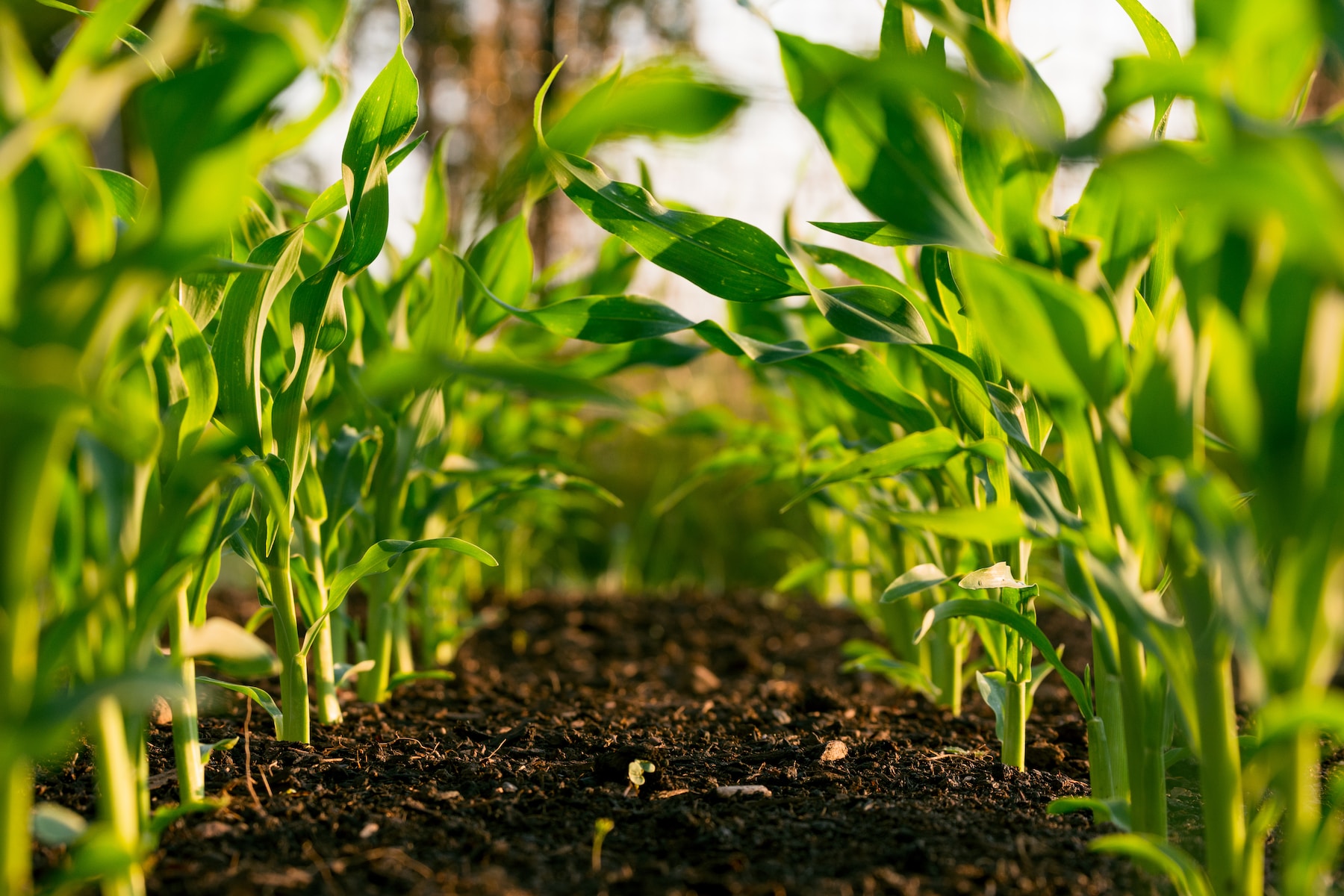
Organic gardening has gained immense popularity in recent years as more people recognize the importance of growing healthy and sustainable food at home. By avoiding the use of synthetic chemicals and embracing natural practices, organic gardening offers a host of benefits for both individuals and the environment. In this article, we will explore the advantages of organic gardening and how it can contribute to a healthier lifestyle and a greener planet.
- Nutrient-Rich and Chemical-Free Produce: One of the primary benefits of organic gardening is the ability to grow nutrient-rich produce without the use of synthetic fertilizers or pesticides. Organic farming practices focus on building healthy soil through the use of compost, organic matter, and natural fertilizers, resulting in plants that are naturally fortified with essential nutrients. By consuming chemical-free produce, you can reduce your exposure to potentially harmful substances and enjoy food in its purest form.
- Environmental Sustainability: Organic gardening promotes environmental sustainability by adopting practices that minimize the impact on ecosystems. Organic farmers prioritize soil health, biodiversity, and conservation of water resources. By avoiding the use of synthetic chemicals, organic gardening helps preserve beneficial insects, birds, and other wildlife, creating a balanced and thriving ecosystem. Additionally, organic practices reduce soil erosion and promote the long-term fertility of the land.
- Reduced Chemical Exposure: Conventional farming relies heavily on synthetic pesticides and herbicides, which can have adverse effects on human health. By choosing organic gardening, you can reduce your exposure to these harmful chemicals. This is particularly important for families with children, as research has shown that pesticide exposure in early life can have long-term health implications. Organic gardening offers a safer and healthier alternative by embracing natural pest control methods and prioritizing the well-being of both humans and the environment.
- Enhanced Flavor and Nutrition: Organic produce is often praised for its superior flavor and nutritional content. Organic fruits, vegetables, and herbs are allowed to fully ripen on the plant, resulting in optimal taste and aroma. Studies have shown that organic crops can have higher levels of beneficial nutrients such as vitamins, minerals, and antioxidants. By growing your own organic garden, you can savor the vibrant flavors and reap the maximum nutritional benefits from your harvest.
- Cost Savings and Self-Sufficiency: Growing your own organic garden can lead to significant cost savings over time. By producing your own fruits, vegetables, and herbs, you can reduce your reliance on store-bought produce, which can be expensive, especially for organic options. Additionally, organic gardening promotes self-sufficiency and empowers individuals to take control of their food supply. It provides a sense of satisfaction and fulfillment as you witness the fruits of your labor and enjoy the bounties of nature.
- Educational and Therapeutic Benefits: Organic gardening offers educational opportunities for individuals of all ages. It provides a hands-on experience in understanding the natural cycles of plants, the importance of biodiversity, and the interconnectedness of the environment. Moreover, gardening has therapeutic benefits, promoting relaxation, stress reduction, and improved mental well-being. It allows individuals to connect with nature, engage in physical activity, and find solace in the beauty of their gardens.
Organic gardening is a rewarding and sustainable practice that offers numerous benefits for individuals and the planet. By growing your own organic food, you can enjoy the advantages of nutrient-rich produce, reduced chemical exposure, and enhanced flavors. Additionally, organic gardening contributes to environmental sustainability, promotes self-sufficiency, and provides educational and therapeutic opportunities. Embrace organic gardening and embark on a journey towards healthier and more sustainable living.

