


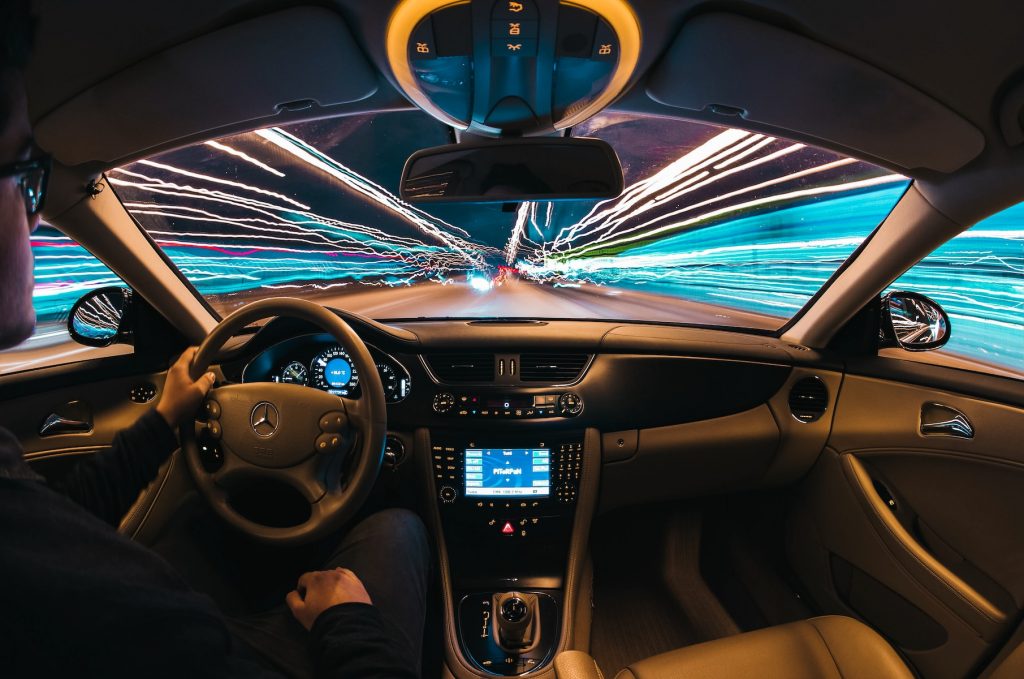
Driving at night presents unique challenges that require heightened attention and caution. Reduced visibility, glare from headlights, and drowsiness can all contribute to increased risks on the road. However, with the right tips and practices, you can navigate nighttime driving situations safely and confidently. In this article, we will explore essential tips for nighttime driving, focusing on improving visibility and ensuring your safety on the road.
- Maintain Proper Vehicle Lighting: Ensure that all your vehicle’s lights are in good working condition. Regularly check and clean your headlights, taillights, brake lights, and turn signals. Properly aligned headlights that provide adequate illumination ahead without dazzling oncoming drivers are crucial for nighttime visibility.
- Adjust Your Speed: Reduce your speed when driving at night. It takes longer to react and stop in low-light conditions. Slowing down allows you more time to assess the road ahead, react to unexpected situations, and avoid collisions. Adhere to posted speed limits and adjust your speed further if visibility is compromised.
- Use High Beams Appropriately: Utilize your high beams when driving on unlit roads or in areas with minimal traffic. High beams improve visibility by illuminating a larger area ahead. However, remember to switch to low beams when approaching other vehicles to avoid blinding their drivers. Be considerate of other road users and use your high beams judiciously.
- Clean Your Windshield: A clean windshield is crucial for optimal visibility, especially at night. Regularly clean both the inside and outside of your windshield to remove dirt, grime, and smudges that can create glare and reduce visibility. Check and replace worn-out wiper blades to ensure a clear view during rainy conditions.
- Minimize Distractions: Eliminate or minimize distractions inside your vehicle while driving at night. Keep your focus on the road, and avoid activities that divert your attention, such as using mobile devices or adjusting infotainment systems. Distractions can significantly impair your ability to react to potential hazards.
- Take Regular Breaks: Fatigue can be more pronounced during nighttime driving, leading to drowsiness and reduced reaction times. Take regular breaks during long drives to combat fatigue. If you feel drowsy, pull over at a safe location and rest until you are alert enough to continue driving safely.
- Increase Following Distance: Maintain a greater distance between your vehicle and the one ahead. This increased following distance provides a buffer zone and allows you more time to react to sudden stops or obstacles. A longer following distance is especially important at night when visibility is reduced.
- Avoid Staring at Oncoming Lights: Oncoming headlights can cause temporary blindness and glare, making it difficult to see the road ahead. To minimize the impact of glare, avoid staring directly at oncoming lights. Instead, focus on the right side of the road and use the lane markings as a guide.
- Be Mindful of Pedestrians and Bicyclists: Pedestrians and bicyclists may be less visible at night, especially if they are not wearing reflective clothing or have inadequate lighting. Stay vigilant and watch out for their presence, especially in urban areas, near crosswalks, or on poorly lit roads.
- Have Your Eyes Checked Regularly: Regular eye exams are essential for maintaining good vision, especially for night driving. Ensure that your corrective lenses, if needed, are up to date and provide optimal vision. Address any vision issues promptly to ensure your safety on the road.
Nighttime driving requires extra caution and attention to ensure visibility and safety. By following these essential tips, such as maintaining proper vehicle lighting, adjusting your speed, and minimizing distractions, you can navigate nighttime driving situations with confidence. Remember to prioritize your safety and the safety of others on the road, and always stay alert and focused while driving at night.