


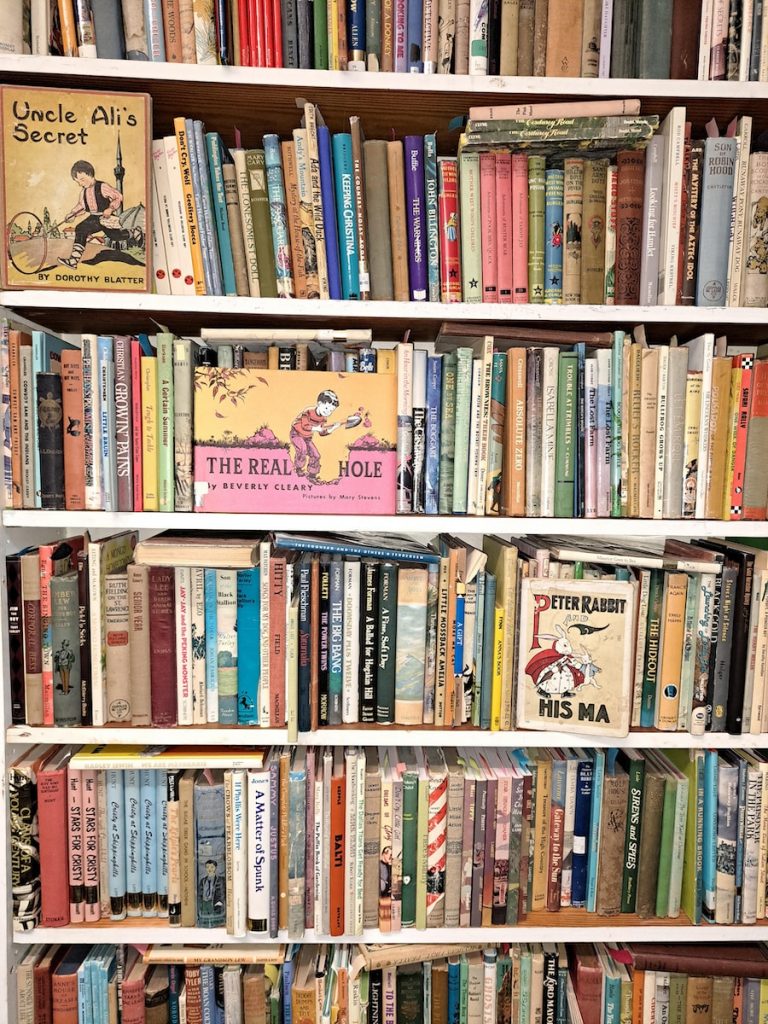
Encouraging a love for reading in children is a wonderful gift that can last a lifetime. One way to foster this passion is by creating a dedicated space for books in their rooms. Kids room bookshelves not only provide a practical storage solution but also serve as a visual display for their favorite reads. In this article, we will explore the benefits of kids room bookshelves, different types available, and tips for organizing and displaying books to create an inviting reading environment for children.
- Benefits of Kids Room Bookshelves: Having a designated space for books in a child’s room offers several advantages:
- Easy Access: A bookshelf in their room allows children to have quick and convenient access to their favorite books whenever they desire.
- Promotes Organization: By having a dedicated storage solution, kids can learn to keep their books neat and organized, fostering good habits and teaching responsibility.
- Visual Appeal: Bookshelves add visual interest to the room, showcasing colorful book covers and creating an inviting atmosphere that encourages reading.
- Stimulates Independence: Having their own bookshelf empowers children to choose books on their own, promoting independent decision-making and self-directed reading.
- Types of Kids Room Bookshelves: There are various types of bookshelves designed specifically for children’s rooms. Consider the following options:
- Traditional Bookshelves: These are freestanding shelves with multiple tiers and adjustable shelves, providing ample storage space for books of different sizes.
- Wall-Mounted Bookshelves: These shelves are attached to the wall, saving floor space and adding a decorative element to the room.
- Sling Bookshelves: These bookshelves feature fabric slings or pockets that hold books, allowing for easy browsing and displaying book covers.
- Cube Bookshelves: Cube-shaped shelves offer a versatile storage solution, with each cube providing a spot for books or other items. They can be arranged in various configurations to suit the room layout.
- Organizing and Displaying Books: Organizing books on kids room bookshelves can make reading more enjoyable and accessible. Consider these tips:
- Categorize by Genre or Theme: Sort books into categories such as fiction, non-fiction, picture books, or by themes like animals, adventures, or science. This makes it easier for children to find books that interest them.
- Use Bookends: Bookends help keep books upright and prevent them from toppling over. Choose fun and colorful bookends that match the room decor or reflect your child’s interests.
- Face Out Display: Display some books with their covers facing outward, creating an inviting visual display. This allows children to easily see book titles and select what catches their attention.
- Rotate Books: To keep the selection fresh and exciting, periodically rotate the books displayed on the shelves. This introduces variety and encourages exploration of different titles.
- Create a Cozy Reading Nook: Enhance the reading experience by creating a cozy nook near the bookshelf where children can relax and enjoy their books. Add a comfortable chair, bean bag, or floor cushions. Include soft lighting, such as a reading lamp or string lights, to create a warm and inviting ambiance.
- Encourage Reading Habits: In addition to organizing and displaying books, foster a reading-friendly environment by:
- Reading Together: Set aside dedicated reading time with your child, where you can read together or take turns reading aloud. This promotes bonding and instills a love for storytelling.
- Visit the Library: Regular visits to the local library expose children to a wide range of books and encourage a sense of exploration and curiosity.
- Lead by Example: Let your child see you reading for pleasure. When they witness your enjoyment of books, they are more likely to develop a positive attitude towards reading.
Kids room bookshelves play a vital role in organizing, displaying, and nurturing a love for books in children. By choosing an appropriate bookshelf, organizing books thoughtfully, and creating a cozy reading nook, you can create an inviting space that encourages independent reading, sparks imagination, and cultivates a lifelong love for literature in your child.