


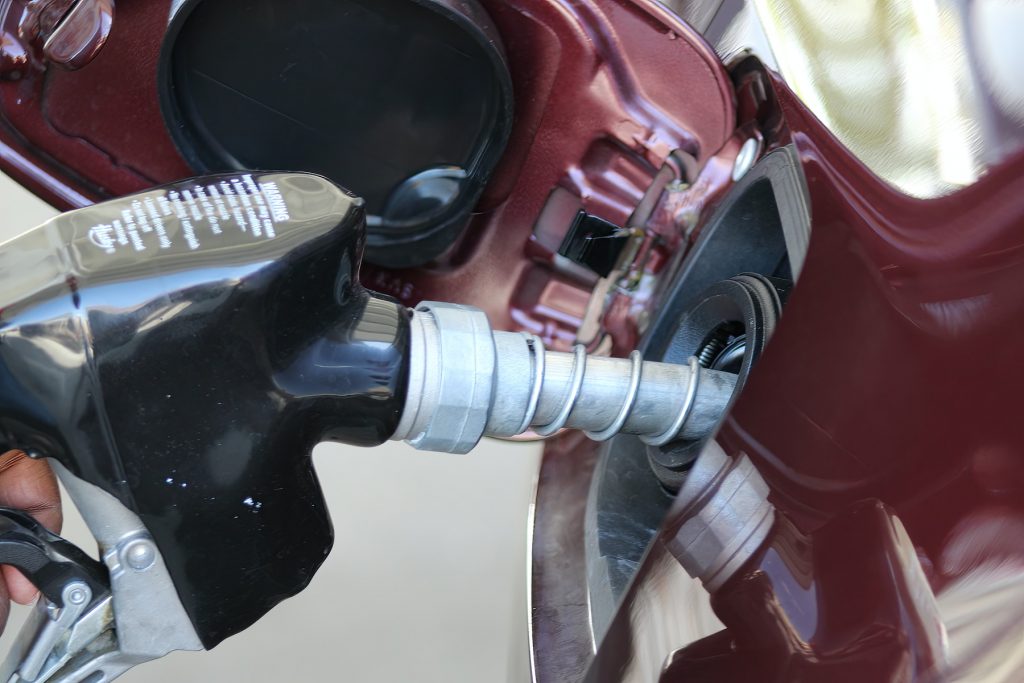
In today’s world, where fuel prices are constantly rising, improving fuel economy has become a top priority for many car owners. While driving habits play a significant role, proper car maintenance also plays a crucial part in maximizing fuel efficiency. In this article, we will explore simple car maintenance practices that can help you improve fuel economy, save money, and reduce your environmental impact.
- Regularly Check and Inflate Tires: Underinflated tires can increase fuel consumption by creating more rolling resistance. Ensure that your tires are properly inflated according to the manufacturer’s recommended pressure. Regularly check tire pressure, including the spare tire, and inflate them as needed. Properly inflated tires not only improve fuel economy but also enhance safety and tire longevity.
- Keep Your Engine Properly Tuned: A well-maintained engine operates more efficiently, resulting in improved fuel economy. Regularly schedule tune-ups and maintenance checks as per your vehicle’s recommended intervals. This includes changing the air filter, spark plugs, and fuel filters when necessary. A clean air filter allows for better airflow, while new spark plugs ensure optimal combustion, both contributing to better fuel efficiency.
- Use the Recommended Motor Oil: Using the manufacturer’s recommended motor oil can improve fuel economy. High-quality, low-viscosity motor oil reduces friction within the engine, allowing it to run more smoothly. Refer to your vehicle’s owner’s manual for the recommended oil grade and change the oil at the recommended intervals. Regular oil changes also help maintain engine health and prolong its lifespan.
- Avoid Excessive Idling: Excessive idling consumes fuel unnecessarily. If you anticipate being stationary for more than a minute, it is more fuel-efficient to turn off your engine and restart it when needed. This practice helps conserve fuel and reduces emissions. However, keep in mind that frequent restarting may also put additional strain on the starter motor, so use your judgment based on the situation.
- Maintain Proper Wheel Alignment: Misaligned wheels can cause uneven tire wear and increase rolling resistance, leading to decreased fuel efficiency. Regularly check and maintain proper wheel alignment to ensure that your tires make optimal contact with the road surface. If you notice uneven tire wear or your vehicle pulling to one side, it’s time to have your alignment checked and adjusted by a professional.
- Lighten Your Load: Carrying unnecessary weight in your vehicle can negatively impact fuel economy. Remove any items from your trunk or backseat that you don’t need for your journey. Extra weight requires more energy to accelerate and maintain speed, resulting in higher fuel consumption. Traveling lighter can improve fuel efficiency and also provide a more comfortable driving experience.
- Drive Smoothly and Avoid Rapid Acceleration: Aggressive driving habits, such as rapid acceleration and harsh braking, not only increase the risk of accidents but also waste fuel. Smooth, gradual acceleration and deceleration conserve fuel by allowing the engine to operate more efficiently. Maintain a steady speed whenever possible, and anticipate traffic conditions to avoid unnecessary speed changes.
- Plan Efficient Routes: When possible, plan your routes to avoid heavy traffic and congestion. Sitting in traffic leads to excessive idling and wasted fuel. Utilize GPS or traffic apps to find alternative routes with smoother traffic flow. Planning efficient routes not only saves time but also helps improve fuel economy.
Improving fuel economy is a combination of adopting smart driving habits and practicing proper car maintenance. By following these simple car maintenance practices, such as maintaining tire pressure, keeping the engine tuned, and driving smoothly, you can significantly enhance your vehicle’s fuel efficiency. Not only will you save money on fuel costs, but you will also contribute to a greener and more sustainable environment by reducing carbon emissions. Start implementing these practices today and enjoy the benefits of improved fuel economy in your daily driving.