


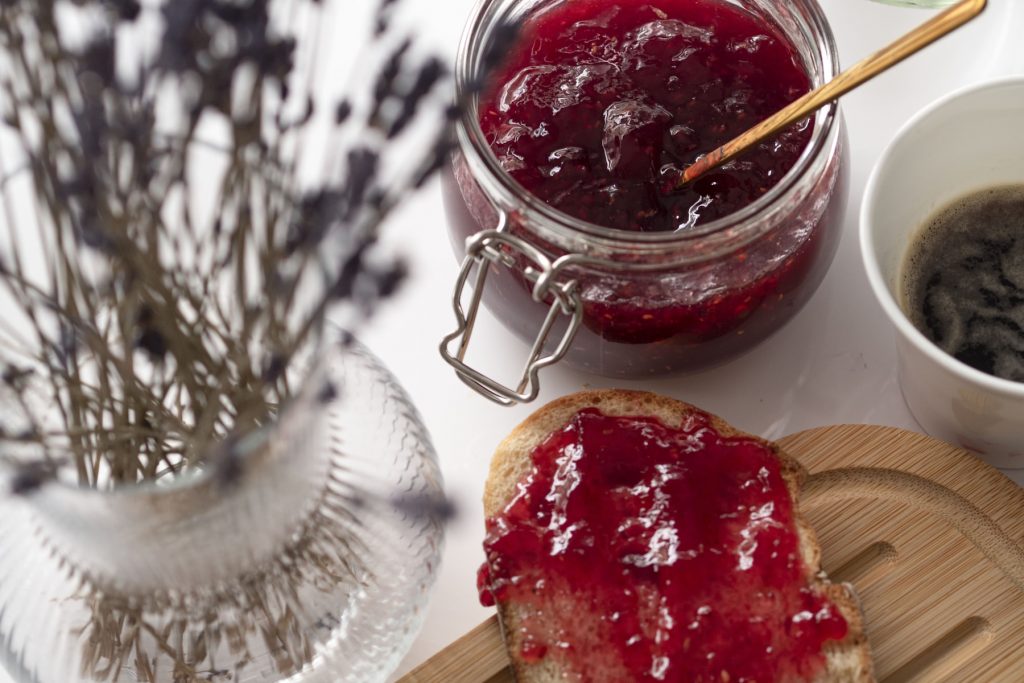
In the world of preserving fruits’ flavorful essence, making jam is an art that knows no bounds. Whether you have a bounty of berries, a surplus of stone fruits, or an excess of exotic produce, crafting your own jam can be a delightful and rewarding experience. Don’t let any fruit go to waste—learn how to transform them into delectable, homemade jams that burst with freshness and flavor!
The Beauty of Homemade Jam
There’s something undeniably satisfying about spreading a dollop of homemade jam on toast or incorporating it into desserts. Unlike store-bought versions that often contain preservatives and excessive sugars, homemade jam offers a pure, customizable taste that captures the essence of the fruit.
Choose Your Fruit Wisely
The beauty of making jam lies in its versatility. Almost any fruit can be transformed into jam, from classic strawberries and apricots to exotic choices like mangoes and figs. Embrace seasonal fruits for the freshest flavors and experiment with combinations to create unique blends that tickle your taste buds.
Selecting the right fruit is the cornerstone of crafting exceptional homemade jam. Optimal fruit choice determines not only the flavor but also the texture and overall quality of the jam. When it comes to choosing fruit for jam-making, several factors should guide your selection.
Firstly, prioritize ripe, fresh, and preferably seasonal fruits. Seasonal fruits often offer peak flavors, natural sweetness, and an abundance that makes them ideal for jam. Their freshness ensures a more vibrant taste and aroma, enhancing the final product.
Consider the fruit’s natural pectin content. Pectin is a naturally occurring substance in fruits that helps jam set. Fruits like apples, citrus fruits, and berries are high in pectin, requiring minimal additional pectin for successful jam-making. Conversely, fruits lower in pectin might need added pectin or the combination of high-pectin fruits for better consistency.
Balance sweetness and tartness when selecting fruits. Tart fruits like cranberries or sour cherries can create a well-rounded jam when paired with sweeter counterparts like strawberries or peaches.
The Essential Ingredients
To create your own fruity concoction, you’ll need the right ingredients:
- Fruit: Use ripe, fresh, and preferably organic fruits for the best results.
- Sugar: Typically, granulated sugar is used, but you can also experiment with alternatives like honey or maple syrup for a different sweetness profile.
- Pectin: A natural thickening agent found in fruits, pectin helps achieve that perfect jam consistency.
- Lemon Juice: Enhances flavor and aids in natural pectin release.
- Optional Additions: Spices like cinnamon or vanilla, or even a splash of liquor, can elevate the taste of your jam.
The Step-by-Step Process
- Preparation: Wash and dice the fruit, removing any pits, stems, or seeds. Combine it with lemon juice and let it sit for a while to macerate and release natural juices.
- Cooking: Place the fruit mixture in a pot over medium heat, stirring occasionally. Add sugar and any optional spices or flavorings, allowing the mixture to simmer and thicken.
- Testing for Doneness: Use the plate test—place a small amount of jam on a chilled plate. If it wrinkles when touched, it’s ready.
- Jar It Up: Once the jam reaches the desired consistency, remove it from heat. Pour it into sterilized jars, leaving some headspace, and seal tightly.
Tips and Tricks for Jam Success
- Balancing Act: Adjust the sugar content based on the sweetness of your fruit. Tart fruits may need more sugar, while sweeter ones might require less.
- Pectin Power: Some fruits naturally contain more pectin, making them ideal for jam without added pectin. Apples, citrus fruits, and berries are great examples.
- Sterilization Matters: Ensure jars and lids are thoroughly sterilized before filling them with hot jam to prevent spoilage and extend shelf life.
- Experiment Freely: Don’t be afraid to try unconventional combinations. Mix fruits, add herbs, or infuse flavors—it’s all about finding what delights your palate.
Preserving and Enjoying Your Jam
Once your homemade jam is sealed in jars, it’s important to store them properly. Properly sealed jars can last for months in a cool, dark place. Refrigerate after opening and consume within a few weeks for the freshest taste.
Making jam from any fruit isn’t just a culinary task; it’s a delightful journey of flavors, experimentation, and preservation. With a few simple ingredients and a touch of creativity, you can turn any surplus fruit into jars of goodness that will brighten your breakfast table and elevate your desserts. Embrace the versatility, savor the freshness, and enjoy the sweet rewards of your homemade jam-making adventures!