
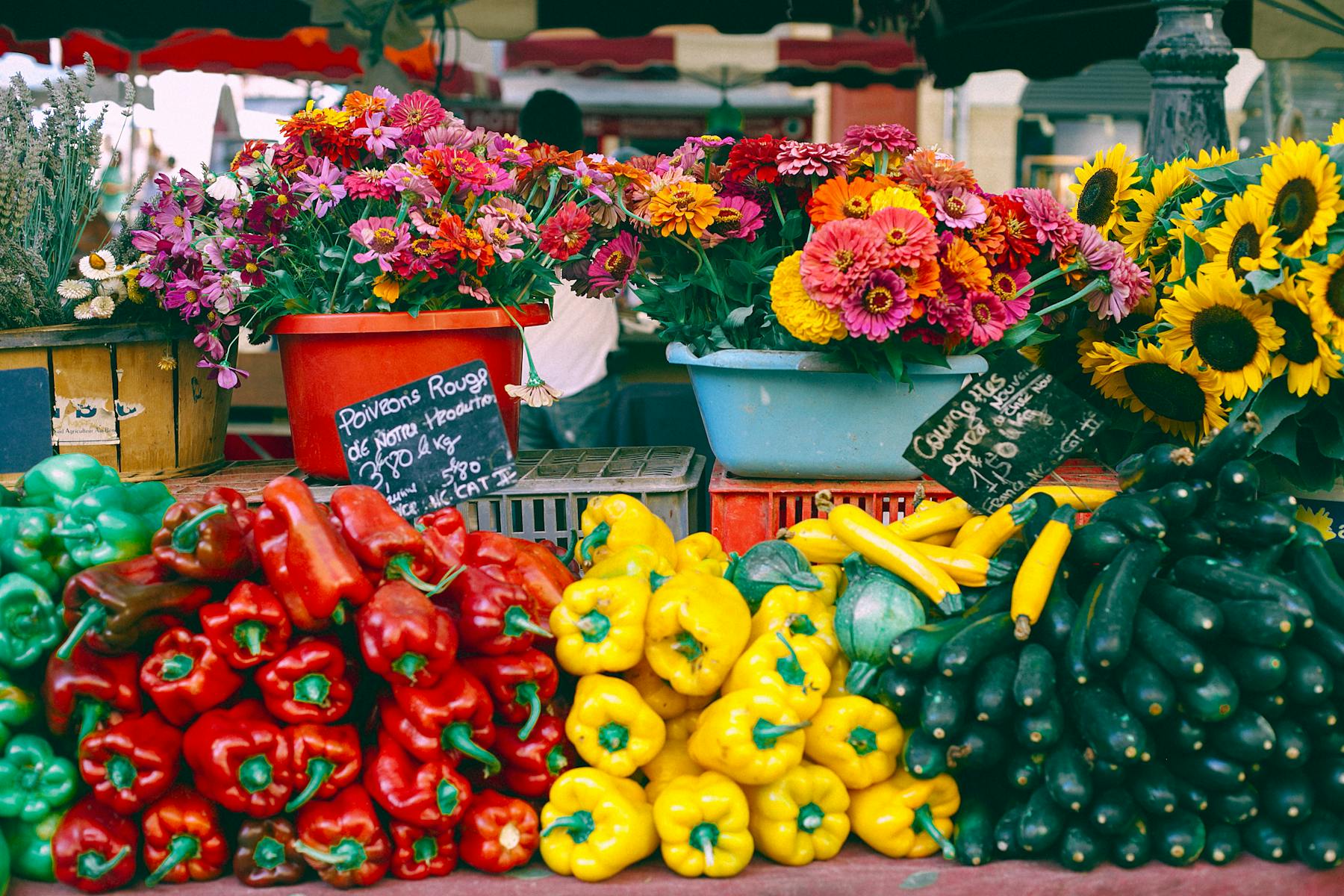
In the realm of balancing a budget while maintaining a commitment to health, understanding how to make mindful choices in the grocery store is key. For those aged 20-60, this section explores the art of choosing cost-effective, healthy food options that align with both financial and nutritional goals.
Meal Planning for Affordability and Nutrition: Meal planning is a cornerstone of economical and healthy eating. By strategizing your meals for the week, you can combine affordable ingredients with nutritional value. Consider preparing larger batches to portion out throughout the week, ensuring both your wallet and your well-being benefit.
Optimizing Grocery Shopping for Value: Navigating the grocery store with a discerning eye is crucial. Opt for store-brand items, compare prices per unit, and explore the benefits of buying in bulk. Fresh produce and seasonal items often offer both nutritional value and affordability, so embrace the variety of options available.
Cooking in Batches and Embracing Leftovers: Batch cooking not only saves time but also proves to be a cost-effective strategy. Prepare larger quantities of meals and freeze individual portions for later consumption. Embrace leftovers creatively by transforming them into new dishes, reducing food waste and ensuring your budget stretches further.
Navigating Food Promotions Wisely
Introduction: Unlocking the potential of promotions and discounts is a savvy way to optimize your food budget. This section is tailored for those aged 20-60 who seek to navigate the world of promotions wisely, ensuring that savings go hand in hand with quality food choices.
Understanding Store Cycles and Sales Patterns: Stores operate on cycles, and understanding their sales patterns can empower you to time your purchases strategically. Be mindful of weekly or monthly sales and consider stocking up on non-perishables during larger seasonal promotions to maximize your savings.
Leveraging Loyalty Programs and Rewards: Many grocery stores and restaurants offer loyalty programs that can translate into substantial savings. Sign up for these programs to access exclusive discounts, accumulate points, and receive rewards. These programs often provide valuable perks for regular customers.
Utilizing Technology for Discounts and Coupons: Embrace technology as your ally in securing discounts and coupons. Numerous apps and websites offer digital coupons, cashback rewards, and exclusive deals. Explore these resources to make informed decisions about when and where to shop for the best prices.
Monthly Budget and Healthy Meal Essentials for a Family of Four
Managing a monthly food budget for a family of four requires a balance between affordability and providing wholesome, varied meals. In this section, we’ll explore an approximate monthly budget and a list of essential products to maintain a healthy and diverse diet.
Approximate Monthly Budget: Setting a realistic monthly budget for groceries involves considering factors like location, dietary preferences, and the cost of living. A reasonable estimate for a family of four could range between $600 to $800, allowing for flexibility based on individual circumstances.
Healthy Meal Essentials: Building a foundation for healthy and diverse meals involves including a variety of nutritious ingredients. Here’s a list of essential products that can form the basis of a balanced and flavorful diet:
- Whole Grains:
- Brown rice
- Quinoa
- Whole wheat pasta
- Oats
- Lean Proteins:
- Chicken breasts
- Lean ground turkey or beef
- Beans (black beans, chickpeas, lentils)
- Tofu or tempeh for plant-based options
- Fresh Fruits:
- Apples
- Bananas
- Berries (strawberries, blueberries)
- Citrus fruits (oranges, lemons)
- Vegetables:
- Leafy greens (spinach, kale)
- Cruciferous vegetables (broccoli, cauliflower)
- Colorful bell peppers
- Carrots and celery
- Dairy or Dairy Alternatives:
- Greek yogurt or plant-based yogurt
- Low-fat or skim milk
- Cheese (moderate quantities)
- Almond or soy milk (for alternatives)
- Healthy Fats:
- Avocados
- Nuts (almonds, walnuts)
- Olive oil
- Whole-Grain Snacks:
- Whole-grain crackers
- Air-popped popcorn
- Nut and seed mix
- Herbs and Spices:
- Garlic
- Onions
- Basil, oregano, thyme
- Cumin, paprika, turmeric
Meal Ideas: With these ingredients, you can create a variety of meals, such as:
- Grilled chicken with quinoa and roasted vegetables
- Black bean and vegetable stir-fry with brown rice
- Greek yogurt parfait with fresh fruits and granola
- Whole wheat pasta with tomato sauce, lean ground turkey, and spinach
Adjust quantities based on your family’s preferences and dietary needs. This list provides a starting point for a well-rounded and nutritious meal plan that accommodates different tastes within the family.
Tips for Efficient Meal Planning and Shopping
Efficient meal planning and shopping are essential elements in making the most of your monthly food budget. This section provides practical tips to streamline your approach, ensuring both financial savings and a well-balanced family diet.
Effective Meal Planning:
- Weekly Meal Prep:
- Set aside time each week to plan meals, considering the family’s schedule.
- Prepare a weekly menu, incorporating ingredients from the essential list to ensure variety.
- Ingredient Overlap:
- Plan meals that share common ingredients to minimize waste and maximize usage.
- Use versatile items like vegetables, proteins, and grains in multiple recipes throughout the week.
- Seasonal Produce:
- Opt for seasonal fruits and vegetables to benefit from lower prices and enhanced freshness.
- Explore local farmers’ markets for cost-effective, in-season produce.
Strategic Grocery Shopping:
- Shopping Lists:
- Create a detailed shopping list based on your weekly meal plan.
- Stick to the list to avoid impulse purchases and stay within the budget.
- Compare Prices:
- Compare prices between different brands and stores to identify the most cost-effective options.
- Consider buying generic or store-brand products for additional savings.
- Bulk Buying:
- Purchase non-perishable items in bulk to take advantage of lower unit prices.
- Be mindful of expiration dates to avoid food wastage.
Utilizing Discounts and Rewards:
- Coupons and Digital Deals:
- Keep an eye out for coupons, both physical and digital, to save on specific products.
- Use grocery store apps that offer digital discounts and loyalty rewards.
- Cashback and Rewards Programs:
- Join cashback programs or loyalty programs offered by grocery stores to earn rewards.
- Redeem accumulated points for discounts or free products, contributing to additional savings.
These practical tips ensure that your meal planning and shopping efforts align with both financial efficiency and the goal of maintaining a healthy and diverse family diet.
Balancing Convenience and Homemade Goodness
Balancing convenience and homemade goodness is crucial for busy families. This section explores strategies to incorporate ready-made options without compromising on nutritional value, ensuring a harmonious blend of practicality and health.
Smart Convenience Choices:
- Frozen Fruits and Vegetables:
- Opt for frozen fruits and vegetables when fresh options are unavailable or expensive.
- These items retain nutrients and offer convenience in both storage and preparation.
- Canned Goods with Minimal Additives:
- Choose canned goods like beans, tomatoes, and fish with minimal additives.
- Rinse canned items before use to reduce sodium content.
- Pre-Cut and Pre-Washed Produce:
- Consider pre-cut and pre-washed produce for time-saving meal preparation.
- Check for sales or promotions on these items to make them cost-effective.
Homemade Touch for Flavor:
- Simple Homemade Sauces:
- Enhance flavor with homemade sauces using basic ingredients like tomatoes, garlic, and herbs.
- Experiment with simple recipes to create customized flavors for your family’s preferences.
- Batch Cooking and Freezing:
- Embrace batch cooking for items like soups, stews, and casseroles.
- Freeze individual portions for quick and convenient homemade meals on busy days.
- DIY Snacks:
- Create your own snack packs with nuts, seeds, and dried fruits.
- This DIY approach allows for healthier snack options tailored to your family’s taste.
Meal Ideas: Combine convenience and homemade goodness for meals like:
- Stir-fried vegetables with pre-marinated tofu and brown rice.
- Whole wheat pasta with a homemade tomato sauce and a side of pre-cut veggies.
- Greek yogurt parfaits with a mix of frozen and fresh fruits, topped with homemade granola.
Striking a balance between convenience and homemade efforts ensures that your family’s meals are both practical and nutritious.
Adapting the Plan to Dietary Preferences and Allergies
Dietary preferences and allergies within a family require thoughtful consideration in meal planning. This section delves into adapting the food budget and essential list to accommodate specific needs, ensuring inclusivity and a tailored approach.
Accommodating Dietary Preferences:
- Vegetarian or Vegan Choices:
- Explore plant-based protein sources like lentils, beans, and tofu.
- Incorporate a variety of vegetables, grains, and legumes to create satisfying meatless meals.
- Gluten-Free Options:
- Include gluten-free grains such as quinoa, rice, and gluten-free oats.
- Choose naturally gluten-free products and check labels for gluten-free certifications.
- Low-Carb or Keto-Friendly Ingredients:
- Opt for lean proteins, non-starchy vegetables, and healthy fats.
- Replace traditional grains with alternatives like cauliflower rice or zucchini noodles.
Managing Allergies:
- Nut-Free Alternatives:
- Substitute nuts with seeds like sunflower seeds or pumpkin seeds.
- Be vigilant about cross-contamination and choose nut-free brands.
- Dairy-Free Swaps:
- Use plant-based milk alternatives like almond, soy, or oat milk.
- Explore dairy-free cheese options for those with lactose intolerance.
- Gluten-Free and Allergen-Free Snacks:
- Seek out certified gluten-free and allergen-free snack options.
- Create custom snack packs with allergy-friendly choices.
Customizing Meals:
- Build-Your-Own Meals:
- Implement a build-your-own meal strategy for accommodating various preferences.
- Offer a variety of toppings and sides, allowing each family member to tailor their plate.
- Rotate Recipes:
- Rotate through a diverse set of recipes to keep meals interesting.
- Introduce new ingredients gradually to allow for adjustment.
Meal Ideas:
- Vegetarian Stir-Fry: Tofu or chickpeas with an array of colorful vegetables and a flavorful sauce, served over quinoa.
- Gluten-Free Pasta Night: Brown rice or chickpea pasta with a choice of tomato or pesto sauce and assorted vegetables.
- Taco Bar: A build-your-own taco night with options for traditional, vegetarian, or gluten-free preferences.
Adapting the meal plan to accommodate dietary preferences and allergies ensures that each family member can enjoy nutritious and satisfying meals.
Embracing Flexibility and Experimentation
In the realm of family meal planning, embracing flexibility and experimentation is key. This section encourages families to approach their food journey with an open mind, adapting the plan to changing preferences and discovering new culinary delights.
Staying Flexible with Meal Plans:
- Weekly Adjustments:
- Assess your family’s schedule weekly and adjust meal plans accordingly.
- Be open to swapping days or meals based on unexpected events or preferences.
- Seasonal Changes:
- Embrace seasonal produce and adjust meal plans to align with what’s fresh and cost-effective.
- Experiment with new recipes inspired by seasonal ingredients.
Encouraging Culinary Exploration:
- Try New Ingredients:
- Introduce unfamiliar but nutritious ingredients gradually to expand your family’s palate.
- Explore international cuisines for diverse flavor profiles.
- Cooking Together:
- Involve family members, especially children, in meal preparation.
- Experiment with simple recipes to foster a love for cooking and trying new foods.
Budget-Friendly Experimentation:
- Affordable Recipe Swaps:
- Swap ingredients in recipes to align with budget-friendly options.
- Explore alternative cuts of meat or substitute with plant-based proteins.
- DIY Replication:
- Replicate favorite restaurant dishes at home to save money and control ingredients.
- Experiment with homemade versions of convenience items for healthier alternatives.
Meal Ideas:
- Build-Your-Own Pizza Night: Experiment with various toppings and crusts, including cauliflower or whole wheat.
- DIY Sushi Rolls: Encourage creativity by allowing family members to choose their favorite fillings for homemade sushi.
- Mystery Ingredient Challenge: Turn mealtime into a game by incorporating a mystery ingredient into a familiar recipe.
Encouraging flexibility and experimentation in your family’s meal plan fosters a dynamic and enjoyable approach to food.
Making Informed Choices for a Healthier and Budget-Friendly Family
Making informed choices is the cornerstone of maintaining a healthier and budget-friendly family lifestyle. This final section reinforces the importance of mindfulness in every aspect of food planning, ensuring lasting benefits for both physical and financial well-being.
Reflecting on Choices:
- Regular Assessments:
- Periodically review your family’s eating habits and budget to identify areas for improvement.
- Reflect on the success of implemented strategies and adjust as needed.
- Feedback and Preferences:
- Encourage open communication about meal preferences within the family.
- Use feedback to tailor the meal plan, ensuring everyone’s tastes and nutritional needs are considered.
Long-Term Health and Financial Goals:
- Establishing Healthy Habits:
- Instill healthy habits in children by modeling balanced eating and involving them in food decisions.
- Create an environment that supports mindful eating and positive relationships with food.
- Financial Planning Beyond Food:
- Consider how your food choices align with broader financial goals.
- Allocate savings from strategic food planning to other aspects of your family’s well-being.
Community and Sustainability:
- Supporting Local:
- Explore opportunities to support local farmers and businesses for fresh and seasonal produce.
- Participate in community-supported agriculture programs for sustainable and cost-effective options.
- Reducing Food Waste:
- Implement strategies to reduce food waste, such as proper storage and creative use of leftovers.
- Compost food scraps to contribute to environmental sustainability.
Continued Learning and Exploration:
- Staying Informed:
- Stay updated on nutritional guidelines and emerging food trends.
- Continue exploring new recipes and cooking techniques to keep meals exciting.
- Culinary Education:
- Invest time in culinary education, discovering the nutritional benefits of various foods.
- Attend workshops or cooking classes to enhance your skills and knowledge.
Closing Thoughts: As you navigate the intersection of health and budget-conscious choices, remember that this guide is a companion on your journey, not a rigid set of rules. Your family’s needs, preferences, and financial circumstances are unique, and the beauty of informed choices lies in their adaptability.
In making conscious decisions about food, you are not just nourishing bodies but fostering a lifestyle that combines well-being and financial prudence. May your family’s food journey be a source of joy, vitality, and lasting fulfillment.
Dining Out Strategically
Introduction: Dining out can be a delightful experience, but it’s essential to approach it strategically to avoid overspending. This section is designed for individuals aged 20-60 who want to savor restaurant experiences without draining their wallets.
Choosing Budget-Friendly Dining Options: Discovering budget-friendly dining options doesn’t mean sacrificing flavor. Explore local eateries, food trucks, or ethnic restaurants that often offer delicious meals at a fraction of the cost of upscale establishments. These hidden gems can provide both culinary delight and savings.
Limiting Frequency of Restaurant Visits: While dining out can be a treat, moderation is key. Limiting the frequency of restaurant visits not only contributes to better financial health but also encourages a focus on home-cooked meals. Save dining out for special occasions to make each experience more meaningful.
Smart Ordering to Avoid Overindulgence: When dining out, making smart choices in your orders can significantly impact both your budget and health. Opt for smaller portions, share dishes with companions, or choose appetizers instead of full meals. Being mindful of portion sizes helps prevent overindulgence and unnecessary expenses.
In the journey of managing your food budget without compromising on health, the tips provided in this guide serve as a roadmap for informed decision-making. For individuals aged 20-60, balancing the twin goals of financial prudence and nutritional well-being requires thoughtful choices in meal planning, grocery shopping, promotions, and dining out.
Remember, this guide is not a rigid rulebook but a collection of strategies to inspire your own unique approach. Everyone’s circumstances and preferences differ, and it’s essential to explore and tailor these tips to fit your individual lifestyle. Your journey toward optimal budget-friendly eating is a personal exploration, and this guide is merely a companion along the way.
As you embark on this endeavor, enjoy the process of discovering what works best for you. With thoughtful choices and mindful practices, may your path to managing food expenses be both gratifying and rewarding.

