


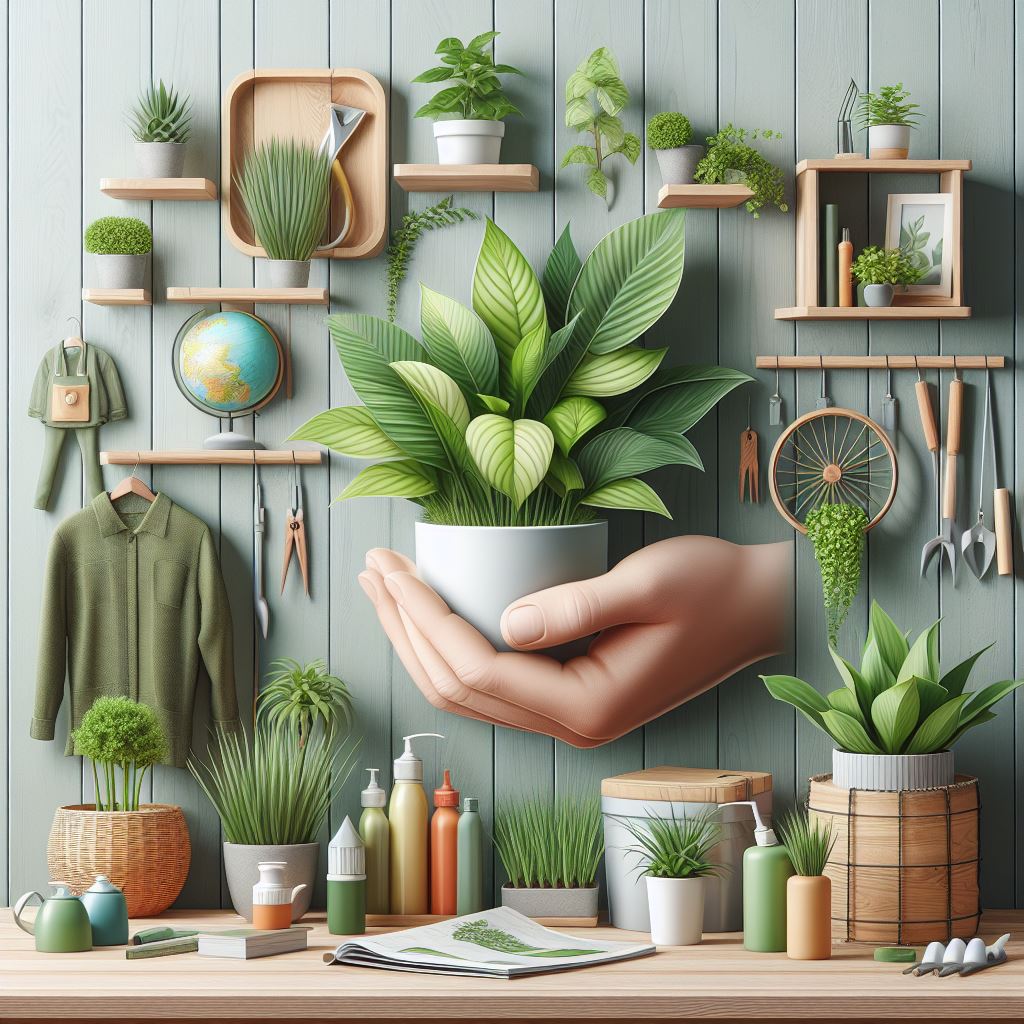
Green living has become more than just a trend—it’s a lifestyle choice embraced by people of all ages. From reducing stress to purifying the air we breathe, plants offer a multitude of benefits that enhance our overall well-being. Welcome to the world of plant parenthood! Whether you’re a seasoned gardener or a newbie with a green thumb, this article is your ultimate guide to selecting the perfect plants to complement your unique lifestyle.
Plants not only beautify our surroundings but also play a crucial role in improving air quality by absorbing toxins and releasing oxygen. As we delve into the art of plant selection, let’s embark on a journey to discover the ideal green companions that will thrive alongside you, enhancing your daily life in unexpected ways. So, grab your gardening gloves and let’s dive in!
Understanding Your Lifestyle
As you embark on your journey to incorporate plants into your life, it’s essential to take a moment to assess your unique lifestyle. Green living isn’t a one-size-fits-all approach, and understanding your daily routine, available space, and commitment level will guide you in selecting the perfect plants to match your lifestyle.
Assessing Space and Environment: Take a stroll around your living space, whether it’s a cozy apartment or a sprawling backyard oasis. Consider factors such as natural light availability, temperature fluctuations, and space constraints. For indoor plants, look for areas with ample sunlight, such as windowsills or well-lit corners. Outdoor spaces offer a wider range of possibilities, but be mindful of the local climate and seasonal changes.
Evaluating Time Commitment: Honesty is key when evaluating your availability for plant care. Are you a busy professional with a hectic schedule, or do you have more flexibility to dedicate time to plant maintenance? Opt for low-maintenance varieties if you’re short on time, or dive into more involved gardening projects if you have the bandwidth to nurture your green companions.
Identifying Preferences and Limitations: Every plant parent has their preferences and limitations, whether it’s a penchant for flowering varieties or a strict no-pet policy. Consider factors such as allergies, pet safety, and aesthetic preferences when selecting plants for your home or outdoor space. Remember, there’s a plant out there for everyone, so don’t be afraid to explore and discover what resonates with you.
Selecting the Right Plants
Now that you have a clear understanding of your lifestyle and preferences, it’s time to dive into the exciting world of plant selection. With a plethora of options available, choosing the right plants can seem like a daunting task, but fear not! We’re here to guide you through the process and help you find the perfect green companions for your home or outdoor oasis.
Low-Maintenance Options: For busy individuals or those new to plant parenting, low-maintenance plants are a godsend. Look for resilient varieties such as succulents, snake plants, or pothos, which thrive on minimal care and can withstand occasional neglect. These hardy plants are perfect for beginners and seasoned gardeners alike, adding a touch of greenery to any space with minimal effort.
Plants for Specific Light Conditions: Lighting plays a crucial role in the health and growth of your plants, so it’s essential to match them with the appropriate light conditions. Identify the natural light levels in your home or outdoor area and select plants that thrive in those conditions. Opt for shade-loving plants like ferns or peace lilies for low-light environments, while sun worshippers like lavender or rosemary thrive in bright, sunny spots.
Pet-Friendly and Child-Safe Varieties: If you share your space with furry friends or curious little ones, it’s crucial to choose plants that are non-toxic and safe for pets and children. Many popular houseplants, such as spider plants, Boston ferns, and African violets, are pet-friendly and can coexist peacefully with your four-legged companions. Be sure to research potential toxicity before adding any new plants to your home, and always keep them out of reach of pets and children.
Caring for Your Plants
Congratulations on selecting the perfect green companions for your lifestyle! Now that your plants have found their new home, it’s time to roll up your sleeves and dive into the rewarding world of plant care. With a little love and attention, your plants will thrive and bring joy to your life for years to come. Let’s explore some essential tips for nurturing and maintaining your leafy friends.
Watering and Drainage Tips: One of the most common mistakes new plant parents make is overwatering their plants. Remember, it’s better to underwater than overwater, as too much moisture can lead to root rot and other issues. Check the moisture level of the soil regularly and water only when the top inch feels dry to the touch. Ensure proper drainage by using pots with drainage holes and avoid letting your plants sit in standing water, which can suffocate the roots.
Proper Lighting and Placement: Just like us, plants need the right amount of sunlight to thrive. Place your plants in areas that receive the appropriate amount of natural light based on their specific requirements. Monitor their growth and adjust their placement accordingly to ensure they’re getting the optimal amount of sunlight. Rotate your plants periodically to promote even growth and prevent them from leaning towards the light source.
Soil and Fertilization Requirements: Healthy soil is the foundation for healthy plants, so it’s essential to use high-quality potting mix tailored to your plant’s needs. Consider factors such as drainage, aeration, and nutrient content when selecting soil for your green companions. Additionally, fertilize your plants regularly during the growing season to provide essential nutrients for growth and development. Choose a balanced fertilizer or opt for organic alternatives to promote long-term soil health and vitality.
Troubleshooting Common Issues
Despite your best efforts, plant parenthood can sometimes come with its fair share of challenges. From pesky pests to unexpected diseases, maintaining healthy plants requires vigilance and proactive care. Don’t fret! We’re here to help you navigate through common issues and keep your green companions thriving.
Pest Control Methods: Pesky pests like aphids, mealybugs, and spider mites can wreak havoc on your plants if left unchecked. Keep an eye out for signs of infestation, such as yellowing leaves, sticky residue, or visible insects, and take swift action to prevent further damage. Implement natural pest control methods such as neem oil, insecticidal soap, or introducing beneficial predators like ladybugs to keep pests at bay without harming your plants or the environment.
Disease Prevention Strategies: Just like humans, plants can fall victim to various diseases caused by fungi, bacteria, and viruses. Practice good hygiene by regularly cleaning your plant’s leaves, removing dead or diseased foliage, and avoiding overcrowding to promote air circulation. Use sterile potting mix and containers to prevent the spread of pathogens, and quarantine infected plants to prevent the spread of disease to healthy specimens. Proper watering practices and maintaining optimal growing conditions can also help strengthen your plants’ immune systems and reduce the risk of disease.
Adjusting Care Practices Based on Seasonal Changes: As the seasons change, so do the needs of your plants. Pay attention to seasonal fluctuations in temperature, humidity, and daylight hours, and adjust your care practices accordingly. Increase watering frequency during hot summer months and decrease it during the winter when growth slows down. Protect outdoor plants from frost and cold snaps by covering them or bringing them indoors, and provide supplemental lighting for indoor plants during the darker winter months. By staying attuned to your plant’s seasonal needs, you can help them thrive year-round.
Personalizing Your Plant Space
Now that you’ve mastered the art of plant care and troubleshooting common issues, it’s time to get creative and personalize your plant space. Whether you’re a minimalist looking for a touch of greenery or a maximalist with a jungle-inspired aesthetic, there are endless possibilities for incorporating plants into your home or outdoor oasis. Let your imagination run wild as we explore some fun and innovative ways to showcase your green companions.
Creative Display Options: Think outside the pot and experiment with creative ways to display your plants. From hanging planters and wall-mounted shelves to repurposed containers and terrariums, there are countless ways to showcase your green thumb in style. Mix and match different plant varieties, textures, and colors to create visually stunning displays that reflect your personality and design aesthetic.
DIY Plant Projects: Get your hands dirty and unleash your inner DIY enthusiast with fun and easy plant projects. From macramé plant hangers and handmade pots to custom plant stands and propagation stations, the possibilities are endless. Not only are DIY projects a great way to personalize your space, but they also add a sense of pride and accomplishment knowing you created something unique with your own two hands.
Incorporating Plants into Home Decor: Plants aren’t just for decoration—they’re a living, breathing part of your home that can enhance any room’s ambiance and style. Use plants as focal points or accents to add warmth, texture, and life to your living space. Experiment with different plant placements, groupings, and arrangements to create visual interest and a sense of harmony throughout your home. Whether you prefer sleek and modern or cozy and eclectic, there’s a plant decor style to suit every taste and preference.
By now, you’ve learned how to select the perfect plants to match your lifestyle, care for them with love and attention, troubleshoot common issues, and personalize your plant space to reflect your unique personality and style. Remember, green living isn’t just about adding a touch of greenery to your surroundings—it’s a lifestyle choice that promotes health, happiness, and connection to the natural world.
As you continue on your plant parenting adventure, remember that this article is just the beginning of your journey. Every plant parent’s experience is unique, and there’s no one-size-fits-all approach to caring for your green companions. Explore, experiment, and trust your instincts as you nurture your plants and watch them flourish.
Whether you’re a seasoned gardener or a beginner with a newfound passion for plants, we hope this guide has inspired you to embrace the beauty and joy of green living. So go ahead, get your hands dirty, and let nature’s beauty transform your home and life in unexpected ways. Happy planting!
Remember, this article is still only a guide, and everyone should explore and find their own way.