
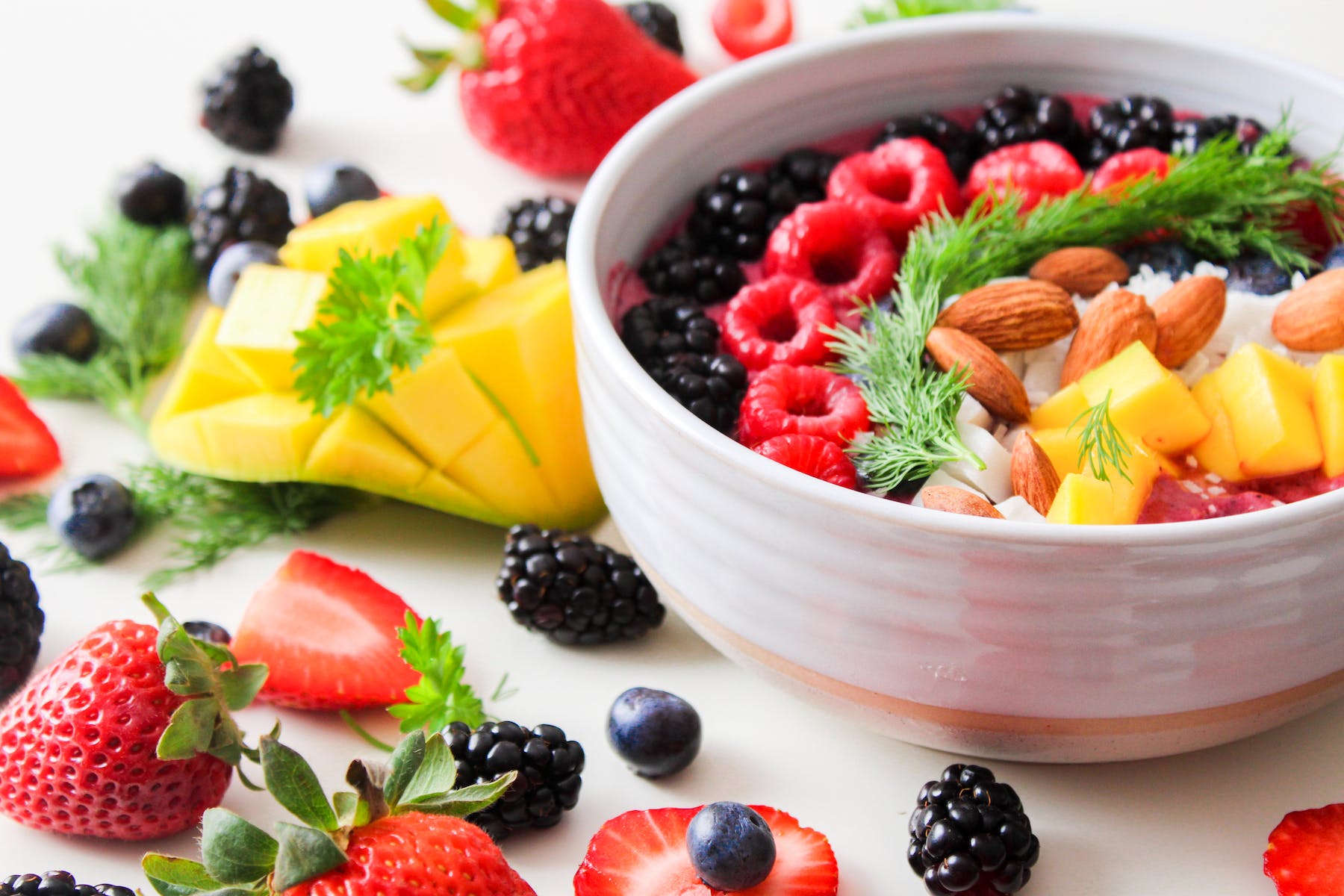
Fresh fruits, bursting with flavors and nutrients, are nature’s delectable gifts. However, preserving their freshness for an extended duration can be a challenge. Fear not! With savvy storage techniques and a touch of know-how, you can keep fruits at their peak for weeks, ensuring a constant supply of nature’s goodness.
Selecting the Perfect Fruits
Start by choosing ripe but not overly ripe fruits. Opt for fruits with vibrant colors, avoiding any with bruises, soft spots, or signs of decay. Understanding the ripening process of different fruits helps in planning their storage timelines.
Proper Storage Techniques
- Refrigeration: Most fruits benefit from refrigeration to prolong their freshness. Keep fruits like berries, cherries, grapes, and sliced fruits in airtight containers or resealable bags in the fridge. Whole fruits like apples, oranges, and pears can be stored in the crisper drawer.
- Room Temperature Storage: Some fruits, like bananas, avocados, mangoes, and citrus fruits, can be stored at room temperature. However, be mindful of temperature fluctuations and place them away from direct sunlight.
Tips for Long-Term Storage
- Freezing: Freezing fruits is an excellent way to preserve them for an extended period. Clean, dry, and freeze fruits like berries, peaches, and pineapple on a baking sheet before transferring them to freezer bags for long-term storage. Frozen fruits work well for smoothies, baking, or as refreshing snacks.
- Canning or Preserving: Consider canning or preserving excess fruits through methods like making jams, jellies, or fruit preserves. This not only extends their shelf life but also allows you to enjoy their flavors year-round.
Ripening and Reviving Fruits
- Ripening: Some fruits continue to ripen after being picked. To ripen fruits like bananas, avocados, and mangoes faster, place them in a paper bag or alongside an ethylene-producing fruit like apples or tomatoes.
- Reviving: If fruits start to lose their freshness, try refreshing them by soaking them in cold water or trimming away any spoiled areas. This can help extend their usability.
Best Practices to Avoid Spoilage
Spoilage refers to the deterioration or decay of food, rendering it unsuitable or unsafe for consumption. It occurs due to various factors such as microbial activity, enzymatic reactions, exposure to oxygen, moisture, light, or improper storage conditions.
Microorganisms like bacteria, molds, and yeasts are common culprits in food spoilage. They thrive in favorable conditions, breaking down food components and causing visible changes such as discoloration, off-putting odors, and texture alterations.
Enzymes naturally present in food can also lead to spoilage. These enzymes catalyze chemical reactions, accelerating the breakdown of proteins, fats, and carbohydrates. For instance, fruits and vegetables might become mushy or develop off-flavors due to enzymatic activity.
- Inspect Regularly: Check stored fruits regularly for any signs of spoilage or overripening. Remove any damaged or decaying fruits promptly to prevent them from affecting others.
- Separation: Some fruits emit ethylene gas, which can speed up the ripening process of neighboring fruits. Keep ethylene-sensitive fruits like berries away from ethylene-producing ones like apples and bananas.
Making the Most of Preserved Fruits
Preserved fruits offer versatility in culinary endeavors. Whether as toppings for breakfast bowls, ingredients in baked goods, or additions to savory dishes, preserved fruits infuse recipes with natural sweetness and vibrant flavors.
Preserving the freshness of fruits doesn’t require complicated techniques; it’s about understanding their storage needs and employing simple yet effective methods. By utilizing proper storage techniques, from refrigeration to freezing and preserving, you can extend the lifespan of fruits, ensuring a bounty of fresh, nutritious produce for weeks. Master the art of fruit storage, and relish the flavors of nature’s bounty throughout the seasons, savoring every juicy, succulent bite!

