


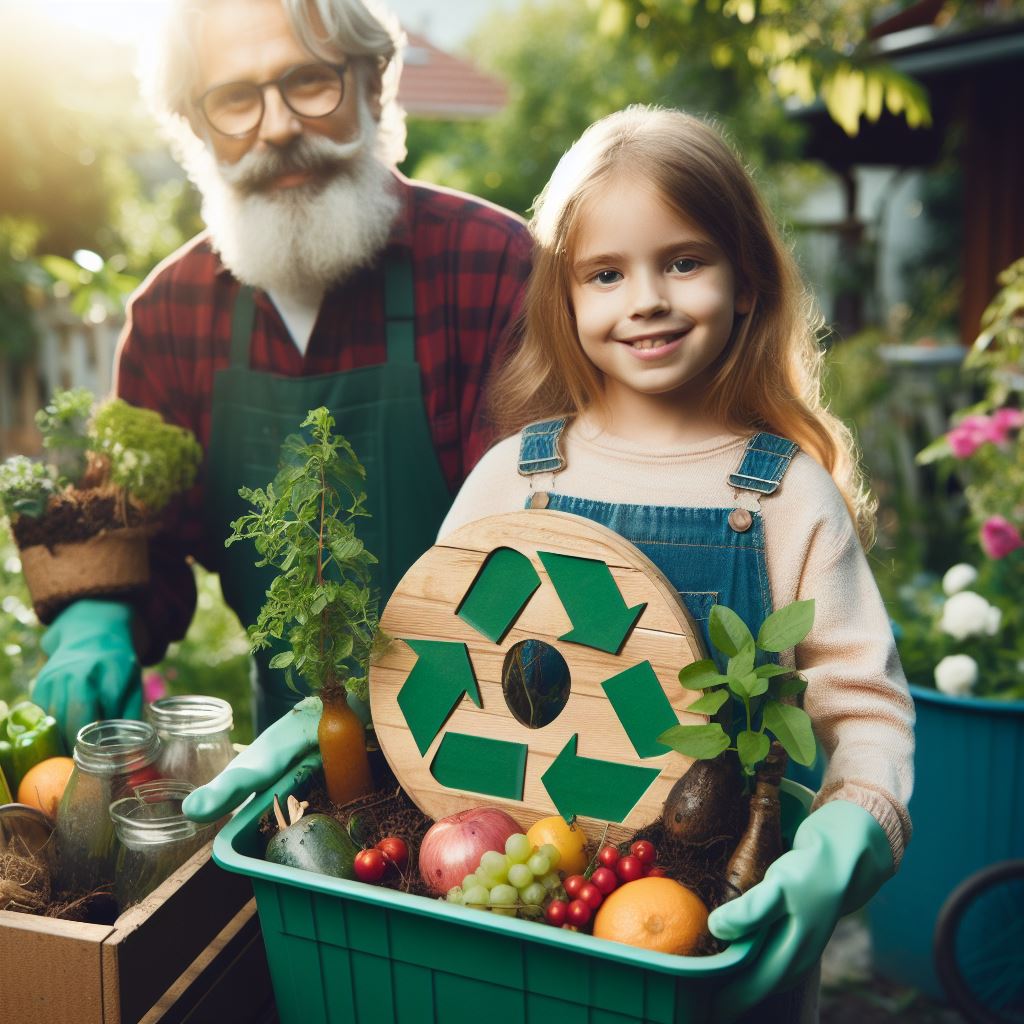
In the realm of gardening, where green thumbs meet sustainability, zero-waste gardening emerges as a beacon for eco-conscious enthusiasts. As the owner of a website dedicated to “Zero-Waste Gardening: Tips for Sustainable and Eco-Friendly Gardens,” my aim is to guide you through a transformative journey. This article doesn’t merely preach; it’s a practical guide filled with actionable steps for creating a garden that not only blooms with beauty but also aligns with eco-friendly principles. Let’s embark together on this journey to cultivate a sustainable haven.
What is Zero Waste?
A Paradigm of Mindful Living
Zero waste, in the context of gardening, is not an unattainable ideal but a paradigm of mindful living applied to the cultivation of plants. It involves a commitment to reducing waste by making conscious choices at every step of the gardening process. Embracing zero-waste principles means minimizing the use of single-use items, reusing materials creatively, and composting organic waste to create a closed-loop system. The essence lies in cultivating a garden where every action is intentional, leaving behind minimal ecological impact.
Principles of Zero-Waste Gardening
To delve into zero-waste gardening, let’s first understand its principles. The core tenets involve minimizing waste, reusing materials, and embracing composting. Choose durable, reusable tools over disposable ones. Opt for natural solutions over synthetic chemicals. Compost kitchen and garden waste to create nutrient-rich soil. This section lays the groundwork for the actionable tips that follow, establishing the fundamental principles of a zero-waste gardening mindset.
Why Zero Waste is Crucial for the Planet
Reducing Environmental Impact
The significance of zero-waste gardening extends far beyond our individual garden plots. By adopting zero-waste practices, we directly contribute to the reduction of environmental impact. Traditional gardening often generates significant amounts of waste, from plastic pots to synthetic fertilizers, contributing to landfills and environmental degradation. Zero-waste gardening, on the other hand, aims to break this cycle, minimizing waste and promoting a more sustainable approach to horticulture.
Preserving Biodiversity
Beyond waste reduction, zero-waste gardening plays a vital role in preserving biodiversity. By eschewing harmful chemicals and fostering a more natural ecosystem, we create a welcoming environment for beneficial insects, pollinators, and other wildlife. Biodiversity is the key to a resilient and healthy garden, where various species coexist and contribute to a balanced, thriving ecosystem. In this section, we explore how our gardening choices can have a positive ripple effect on the broader environment.
Practical Tips for Zero-Waste Gardening
Adopting a Zero-Waste Mindset
Now, let’s delve into the practical aspects of zero-waste gardening. The journey begins with adopting a zero-waste mindset. Choose reusable tools made from durable materials to minimize the need for replacements. Invest in quality items that stand the test of time, reducing the overall waste generated in your gardening endeavors.
Composting 101: Turning Waste into Gold
Composting is a cornerstone of zero-waste gardening. Rather than discarding kitchen and garden waste, turn it into nutrient-rich compost that nourishes your plants. Set up a composting system, whether it’s a small bin for kitchen scraps or a dedicated compost heap in your backyard. This not only reduces waste but also enriches your soil naturally.
Water Conservation Techniques
Water is a precious resource, and zero-waste gardening includes strategies to minimize water consumption. Consider rainwater harvesting to collect and utilize rainwater for watering your garden. Mulching around plants helps retain soil moisture, reducing the frequency of irrigation. Choose drought-resistant plants that thrive with minimal water, contributing to water conservation efforts.
DIY Upcycled Garden Projects
Creativity plays a significant role in zero-waste gardening. Embrace do-it-yourself (DIY) upcycled garden projects using items that would otherwise be discarded. Repurpose old containers into planters, turn wooden pallets into vertical gardens, or transform broken ceramics into unique garden art. Not only does this reduce waste, but it also adds a personal touch to your garden.
These practical tips set the stage for your zero-waste gardening journey, offering actionable steps to adopt a mindful and eco-friendly approach to cultivating your green space.
Creating a Sustainable Planting Plan
Selecting Eco-Friendly Plants
The foundation of a zero-waste garden lies in the careful selection of plants. Choose locally adapted, native plants that thrive in your climate, requiring less water and maintenance. These plants have evolved to suit their surroundings, reducing the need for excessive care and minimizing the environmental impact of your gardening practices.
Companion Planting for Pest Control
Zero-waste gardening goes hand in hand with natural pest control. Explore the concept of companion planting, where certain plants are grown together to enhance each other’s growth and deter pests. For example, planting marigolds alongside vegetables can help repel harmful nematodes. This method reduces reliance on chemical pesticides, promoting a healthier and more sustainable garden ecosystem.
Zero-Waste Plant Propagation
Propagation is a fundamental aspect of gardening, and zero-waste principles extend to this realm as well. Instead of purchasing new plants, explore zero-waste propagation techniques. Save seeds from your existing plants, propagate cuttings, or divide mature plants to create new ones. This not only reduces waste but also adds a layer of self-sufficiency to your gardening practices.
These strategies for sustainable planting set the groundwork for a garden that not only flourishes but does so with minimal environmental impact.
Zero-Waste Garden Maintenance Practices
Natural Fertilizers and Soil Enrichment
A thriving garden relies on healthy soil, and zero-waste practices extend to soil enrichment. Choose natural fertilizers such as compost, well-rotted manure, or organic plant-based options. These alternatives provide essential nutrients to your plants without introducing harmful chemicals, contributing to a more sustainable and eco-friendly garden.
Weed Management without Chemicals
Weed management is a common concern for gardeners, but zero-waste principles discourage the use of chemical herbicides. Instead, adopt natural weed management practices. Mulching is an effective method that suppresses weed growth while retaining soil moisture. Regular hand weeding is another eco-friendly approach, ensuring a weed-free garden without compromising environmental health.
Reimagining Garden Design
Zero-waste gardening extends to the design of your garden space. Instead of frequent redesigns and renovations, embrace a sustainable design approach that prioritizes longevity and adaptability. Choose perennial plants that return each year, reducing the need for constant replanting. Thoughtful planning minimizes unnecessary changes, creating a garden that evolves naturally over time.
These maintenance practices contribute to a garden that not only looks vibrant but also operates in harmony with the surrounding environment.
Connecting with the Zero-Waste Gardening Community
Joining Local Gardening Groups
Gardening is a communal activity, and connecting with local gardening groups enhances the zero-waste experience. Seek out local gardening clubs or online communities where members share insights, experiences, and resources. Engaging with like-minded individuals provides a support system for your zero-waste gardening journey, offering valuable advice and fostering a sense of community.
Participating in Seed Swaps and Plant Exchanges
Biodiversity is a key component of sustainable gardening, and seed swaps or plant exchanges are fantastic opportunities to diversify your garden. Participate in local seed swaps where gardeners exchange seeds, promoting genetic diversity and reducing the need for purchasing new seeds. Plant exchanges are another avenue to share surplus plants and receive new varieties, enriching your garden with diverse flora.
Sharing Success Stories on Social Media
Social media platforms offer a virtual space for gardeners to share their zero-waste successes and learn from one another. Join gardening communities on platforms like Instagram or Facebook, and share your zero-waste gardening journey. Celebrate your achievements, seek advice when needed, and inspire others with your eco-friendly practices. The power of collective knowledge propels the zero-waste gardening movement forward.
These community-centric approaches enrich your gardening experience, providing a platform for shared learning and mutual support.
The Journey Continues: Explore and Find Your Path
Embracing Personal Exploration
As we navigate through the world of zero-waste gardening, it’s essential to recognize that this article serves as a guide, not a rigid set of rules. Each gardening journey is unique, shaped by personal preferences, climates, and individual circumstances. Embrace personal exploration, allowing your gardening practices to evolve in a way that aligns with your values and lifestyle.
Tailoring Strategies to Individual Preferences
While the tips presented here offer a foundation, feel empowered to tailor zero-waste strategies to your individual preferences. Experiment with various techniques, adopt the ones that resonate with you, and discard the ones that don’t fit your gardening style. The beauty of zero-waste gardening lies in its adaptability, allowing you to create a garden that reflects your vision of sustainability.
Continuing the Zero-Waste Gardening Adventure
As we conclude this exploration, remember that the zero-waste gardening adventure is an ongoing one. Continue to explore new techniques, stay informed about sustainable practices, and remain open to evolving your gardening approach. Your journey contributes to a broader movement of sustainable and eco-friendly living, leaving a positive impact on the environment for generations to come.
This section serves as an invitation for readers to forge their own path in the world of zero-waste gardening, fostering a sense of autonomy and ongoing exploration.
Cultivating a Greener Tomorrow
Reflecting on the Journey
In this comprehensive guide to zero-waste gardening, we’ve explored the principles, practices, and community aspects that make it a transformative and eco-conscious endeavor. Reflect on the journey you’ve embarked upon, absorbing the practical tips and eco-friendly strategies that can shape your garden into a haven of sustainability.
Expressing Gratitude for Eco-Conscious Efforts
As the owner of a website dedicated to eco-friendly gardening, I express sincere gratitude for your commitment to adopting zero-waste practices. Your efforts, no matter how small, contribute to a more sustainable planet. It’s heartening to witness a growing community of individuals dedicated to cultivating gardens that harmonize with the environment.
Inspiring Ongoing Eco-Friendly Gardening
As we conclude, let this guide inspire you to continue your eco-friendly gardening journey. Your choices matter, and every eco-conscious action in your garden contributes to a collective impact. The green revolution is ongoing, and your commitment to sustainable gardening ensures a greener tomorrow for all.
In the spirit of ongoing growth and sustainability, let’s cultivate a future where gardens are not just landscapes but living testimonials to our shared commitment to the environment.
This conclusion serves as a reflection on the journey and an encouragement for readers to continue their eco-friendly gardening practices.