


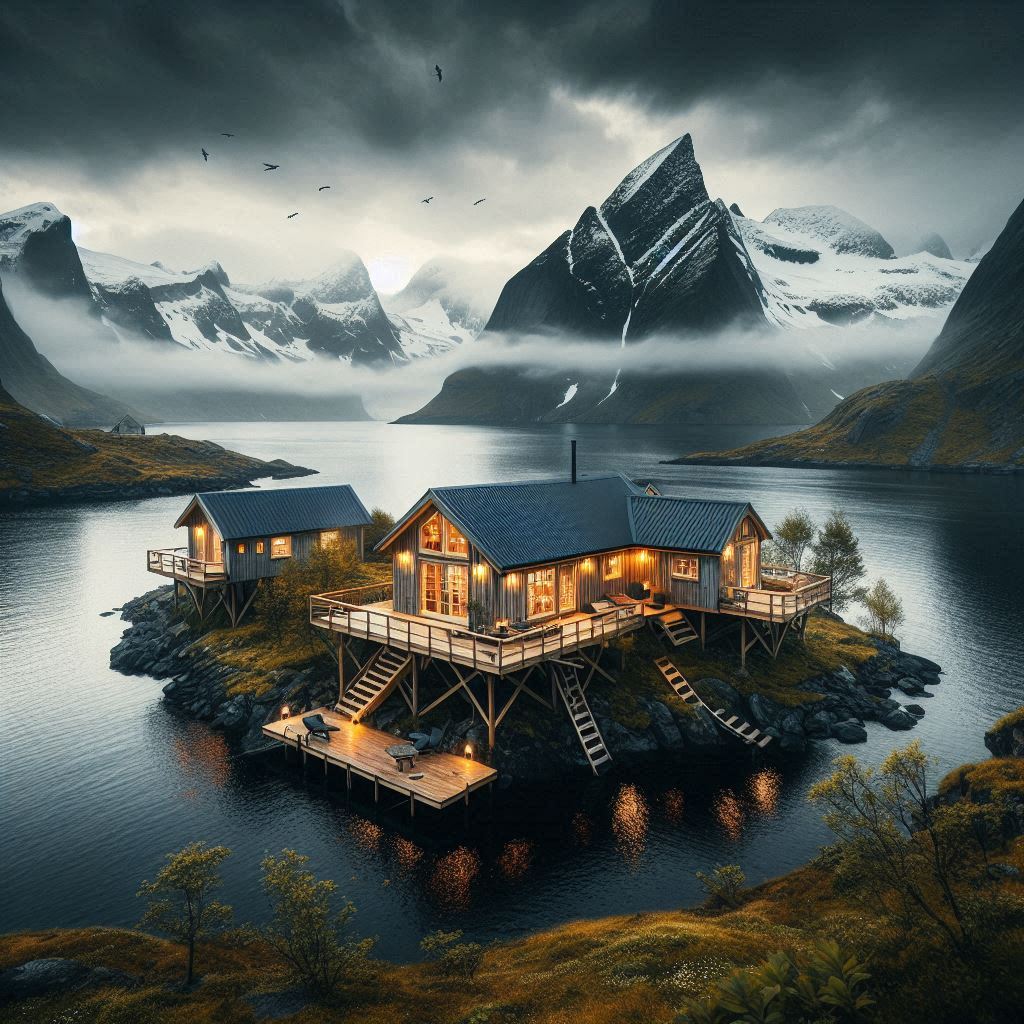
In an era where digital connectivity is almost inescapable, the allure of off-grid getaways is growing stronger. More people are seeking ways to detach from their buzzing smartphones and overflowing inboxes, craving solitude that refreshes the mind and recharges the spirit. These special retreats, nestled away from the noise and haste of city life, offer a precious commodity: peace.
Remote retreats are not just about finding a place where your cell phone doesn’t work; they are about rediscovering a primal connection with nature, and perhaps more importantly, with oneself. From the quietude of mountain hideaways to the serene isolation of island solitude, these places provide a backdrop for introspection and growth that is hard to find in the crowded tourist spots.
The concept of solitude vacations might sound daunting at first. The idea of being cut off from the internet and modern conveniences can feel like stepping into another world. However, this form of travel is not about hardship or deprivation. It’s about simplicity and returning to basics, which can be incredibly luxurious in its own right. Imagine waking up to the sound of waves or birds, with no other agenda than to enjoy the day as it unfolds naturally.
Choosing to embark on a solitude vacation means different things to different people. For some, it’s a chance to unplug and unwind, perhaps practice some mindfulness or yoga. For others, it’s an opportunity to explore untouched landscapes or engage in outdoor activities like hiking or kayaking in a private escape setting. Whatever your reason, the journey towards finding the ultimate remote retreat is as enriching as the stay itself.
This introduction serves as a gateway into the world of secluded destinations, promising that the paths you choose and the experiences you seek can lead to unexpected revelations. As we delve deeper into the nuances of planning and enjoying these escapes, remember that the beauty of off-grid travel lies in its variety and personal adaptation. Whether it’s a cozy cabin in the woods or a tent under the stars, the perfect retreat is waiting for you to discover it.
Next, we will explore what to consider when selecting your ideal remote retreat, ensuring your off-grid adventure is as fulfilling as it is memorable.
What to Look for in a Remote Retreat
Selecting the ideal remote retreat is a personal journey, one that requires consideration of several key factors to ensure your escape aligns with your desires for solitude and connection with nature. Whether you’re seeking a rustic experience in a forest sanctuary or a more refined stay in an eco-friendly retreat, here’s what to consider when making your choice.
- Location and Accessibility:
The charm of a secluded destination often lies in its location. Are you looking for a mountain hideaway with breathtaking vistas, or do you prefer the serene isolation of an island solitude? The setting can dramatically influence your experience, so choose a location that resonates with your soul. Consider also the accessibility – some retreats might require a long hike or a boat ride, adding to the sense of adventure and isolation.
- Eco-Friendliness:
As travelers become more environmentally conscious, the appeal of eco-friendly retreats that minimize ecological footprints grows. Look for places that use sustainable resources, offer recycling facilities, and promote conservation. These features not only enhance the natural experience but also ensure that your stay contributes positively to the environment.
- Amenities for Solitude:
While the idea of ‘amenities’ in a remote retreat might sound counterintuitive, certain comforts can enhance your experience of solitude. For instance, a place with a cozy reading nook, a private balcony overlooking the woods, or a well-equipped kitchen to cook your meals can make your stay more enjoyable. Determine what amenities are important to you and seek out retreats that offer these features while still allowing you to disconnect from the usual hustle and bustle.
- Opportunities for Reflection and Activity:
Consider what you want to do during your stay. Some retreats offer structured activities like yoga sessions, meditation retreats, or guided nature walks, which can enrich your experience. Others provide the freedom to explore at your own pace. Decide if you prefer a more guided experience or if you want the freedom to create your own schedule.
- Reviews and Testimonials:
In the digital age, even the most secluded spots are likely to have some online presence. Check reviews and testimonials from previous visitors to get a sense of what to expect. These insights can be invaluable in understanding the true nature of the retreat and the experiences of others.
- Personal Comfort and Safety:
Finally, consider your comfort and safety, especially if you’re traveling solo or to a particularly remote location. Ensure the retreat has adequate safety measures in place, and if needed, access to medical facilities or emergency services.
Finding the perfect retreat is about balancing your needs for comfort and solitude with your desire for adventure and immersion in nature. By considering these factors carefully, you can choose a destination that not only offers a break from the digital world but also provides a sanctuary where you can reconnect with yourself and the environment around you.
In the next section, we’ll explore some of the top destinations that meet these criteria, helping you to visualize and plan your ultimate solitude vacation.
Top Destinations for Remote Retreats
When it comes to finding that perfect spot for solitude and disconnect, the world is surprisingly full of hidden gems. Here we’ll explore some of the best destinations that embody the essence of remote retreats, offering everything from serene landscapes to activities that encourage mindfulness and self-discovery.
Mountain Hideaways
Mountains have always been revered for their majestic beauty and their ability to make one feel simultaneously insignificant and omnipotent. Retreats located in mountainous regions like the Rockies in North America, the Alps in Europe, or the Himalayas in Asia not only provide breathtaking views but also offer a peaceful ambiance perfect for reflection. These mountain hideaways are ideal for those looking to find solitude in hiking, meditative mornings overlooking misty peaks, or cozy nights by a fire.
Island Solitude
Islands offer a unique kind of isolation, surrounded by the endless expanse of the ocean. Destinations like the Maldives, the Seychelles, or even more secluded spots like the San Juan Islands in the Pacific Northwest provide a perfect escape. Here, you can immerse yourself in island solitude with days spent sunbathing, snorkeling in clear blue waters, or simply enjoying the slow rhythm of island life, where time seems to stand still.
Forest Sanctuaries
For those who find solace among trees, forest sanctuaries are ideal. Whether it’s the ancient redwoods of California, the deciduous forests of New England, or the bamboo groves of Japan, these settings offer a connection to nature that is both grounding and uplifting. These retreats often feature eco-friendly cabins or treehouses that minimize the impact on the environment while maximizing your immersion in the forest atmosphere.
Planning Your Off-Grid Getaway
Essential Packing List
Preparing for an off-grid retreat involves careful planning, especially when it comes to packing. Essentials include comfortable clothing suitable for the climate and activities, eco-friendly toiletries, any necessary medications, and perhaps most importantly, good books or journals. For those venturing into more remote or rustic locations, a reliable flashlight, a multi-tool, and a basic first aid kit are must-haves.
Best Times to Visit
Timing your retreat can significantly enhance your experience. For mountain retreats, late spring through early fall offers ideal weather for outdoor activities, while winter provides a snowy wonderland perfect for skiing or snowshoeing. Island getaways are best in the shoulder seasons — late spring or early autumn — to avoid the peak tourist crowds and enjoy moderate weather. Forest sanctuaries are particularly magical in the fall when foliage is at its peak, or in early spring when nature begins to awaken.
Choosing the right destination and preparing adequately for your off-grid retreat can make the difference between a good vacation and a transformative experience. These destinations not only promise escape from the everyday but also offer a gateway to deeper personal insight and renewal.
Next, we will delve into the benefits of choosing a remote retreat, highlighting how such escapes can lead to significant improvements in mental and physical health.
Benefits of Choosing a Remote Retreat
Embarking on a journey to a remote retreat can be transformative, impacting more than just your immediate relaxation levels. These secluded destinations offer profound health benefits, both mentally and physically, that can resonate long after you return to your daily life. Understanding these benefits can greatly enhance your appreciation and experience of your retreat.
- Enhanced Mental Clarity and Reduced Stress:
In the tranquility of secluded destinations, far from the clamor of urban environments, the mind finds a rare opportunity to quiet down. The absence of constant notifications, meetings, and social obligations allows your mental space to clear, reducing stress and anxiety levels significantly. This mental decluttering fosters clearer thinking and often sparks creativity.
- Improved Physical Health Through Natural Activity:
Whether it’s hiking through a forest sanctuary, swimming in crystal-clear island waters, or practicing yoga on a mountain overlook, physical activities are inherently part of most solitude vacations. These activities aren’t just enjoyable—they improve cardiovascular health, increase stamina, and can help with weight management. The physical exertion is often balanced with periods of relaxation, creating a perfect harmony that enhances physical well-being.
- Deeper Connection with Nature:
Staying at an eco-friendly retreat or a cabin deep in the woods can profoundly reconnect you to the natural world. This connection is known to boost mood and improve overall emotional health through a phenomenon known as “biophilia,” humanity’s innate need to interact with nature. Regular exposure to natural environments has been shown to lower blood pressure, reduce the production of stress hormones, and improve overall feelings of happiness.
- Opportunities for Self-Reflection and Personal Growth:
Solitude is a powerful state that can lead to significant personal insight and emotional healing. In the silence of a remote retreat, without distractions or interruptions, you might find yourself exploring thoughts and feelings that are often sidelined in the hustle of everyday life. This can be a time for significant personal development and self-discovery, leading to lasting changes in personal and professional life.
- A Shift Toward Mindful Living:
The experience of an off-grid getaway often instills a greater appreciation for life’s simpler aspects. This shift can lead you to adopt more mindful practices at home, appreciating the present moment rather than always looking to the next. Many find this leads to more sustainable living practices, greater emotional regulation, and improved relationships with others.
While these benefits are compelling, it’s important to remember that the impact of a retreat can vary from person to person. The experiences and changes are as unique as the individual embarking on the journey. Each retreat offers a different set of experiences based on its location, duration, and what you choose to engage in during your stay.
In the next section, we will discuss how to make the most of your time in solitude, with practical tips and suggested activities to help you fully embrace the tranquil environment of your chosen retreat.
Making the Most of Your Time in Solitude
To truly benefit from a remote retreat, it’s not only about where you go but also how you engage with the environment and yourself during the stay. Here are some practical tips and activities that can help you maximize the rejuvenating effects of your off-grid getaway.
- Digital Detox:
Begin your retreat by disconnecting from digital devices. Set specific times to check devices if necessary, but try to keep this to a minimum. The less you are tethered to your electronics, the more you will notice the natural world around you and the internal landscape of your thoughts.
- Engage with Nature:
Make it a point to physically interact with the surrounding environment. If you’re in a mountain hideaway, engage in hiking or rock climbing. On an island retreat, snorkeling or sea kayaking can provide an exhilarating connection with the ocean. Even simple activities like walking barefoot on the earth or meditating under a tree can deepen your connection to nature.
- Reflective Practices:
Use this time for introspection. Bring a journal and write down your thoughts and feelings. Practice meditation or yoga, especially at sunrise or sunset, to connect with your inner self in harmony with the rhythms of nature. These practices can help clarify thoughts and feelings that are often muted in the hustle of everyday life.
- Explore Creative Outlets:
Solitude can be a powerful catalyst for creativity. Engage in activities like painting, writing, or photography that not only occupy your mind in the present but also allow you to express what you’re experiencing. This not only serves as a memory of your retreat but can also provide insights into your thoughts and emotions during your stay.
- Set Personal Goals:
Think about what you want to achieve with your time in solitude. Whether it’s gaining a new perspective on a personal challenge, reconnecting with your passions, or simply resting and rejuvenating, having a clear intention can help guide your activities and make your time more fulfilling.
- Practice Mindfulness:
Be fully present in each moment, whether you’re eating, walking, or sitting. Notice the sights, sounds, and smells around you. Mindfulness enhances the benefits of your retreat by grounding you in the experience and helping to reduce stress and anxiety.
- Plan for Reintegration:
As your retreat comes to an end, start to think about how you can carry the peace and insights gained back into your daily life. Consider establishing routines that incorporate elements of your retreat, like regular tech-free time or continued reflective practices.
While this guide offers a pathway to planning and enjoying a remote retreat, remember that each person’s experience is unique. Explore and embrace the journey as you find your own path to solitude and rejuvenation. Just as every forest, mountain, and island is different, so too is every retreat experience. Let these suggestions inspire you, but always make room for your own discoveries and insights.
In wrapping up, although this guide can set you on your path to a fulfilling off-grid getaway, it’s essential to remember that the real journey is personal and as diverse as the landscapes you might explore. Each step, each moment of solitude, and every breath of fresh air offers a chance to learn more about yourself and the world.