


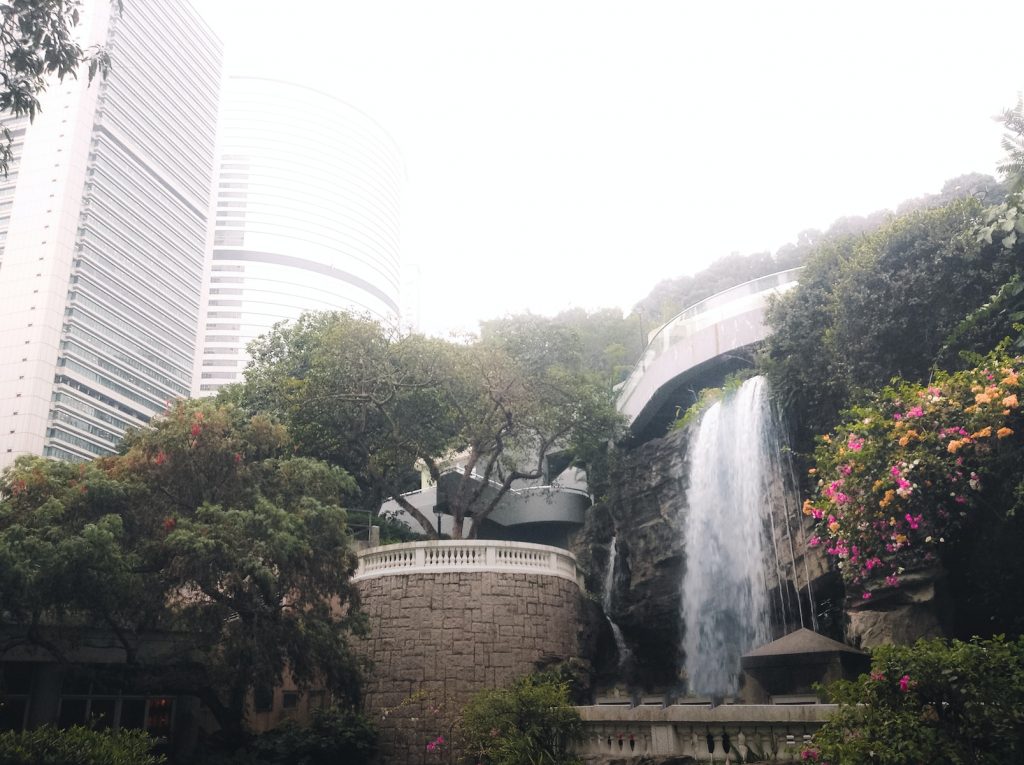
A Zen water garden is a serene and contemplative space that brings tranquility and a sense of harmony to any outdoor environment. It combines the soothing presence of water with carefully chosen elements to create a space for relaxation, meditation, and reflection. In this article, we will explore the art of creating a Zen water garden, providing guidance, tips, and inspiration to help you design a space that promotes tranquility and inner peace.
- Choosing the Right Location: Select a suitable location for your Zen water garden, considering factors such as sunlight, shade, and proximity to your living space. Ideally, choose a quiet and secluded spot that allows for privacy and a sense of retreat.
- Designing the Layout: Plan the layout of your water garden, considering the available space and the desired features. Traditionally, Zen water gardens include elements such as a pond or basin, rocks, gravel or sand, and lush greenery. Aim for a simple and balanced design that promotes a sense of calm.
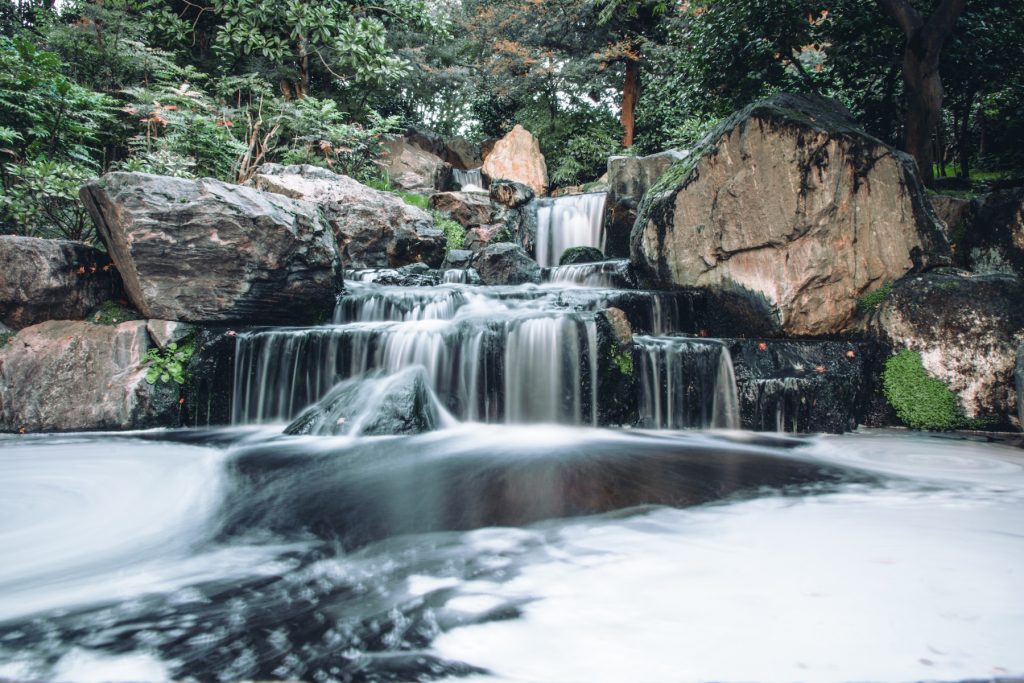
- Incorporating Water Features: The centerpiece of a Zen water garden is the water element. Consider adding a small pond, a tranquil fountain, or a gently cascading waterfall. The sound of flowing water creates a soothing ambiance and enhances the overall sense of tranquility.
- Selecting Suitable Plants: Choose plants that complement the Zen aesthetic and thrive in a water garden environment. Opt for low-maintenance plants such as water lilies, lotus flowers, or Japanese iris. These plants not only add beauty but also help maintain a healthy ecosystem in the water garden.
- Creating a Rock Garden: Rocks are integral to a Zen water garden, symbolizing strength, stability, and the natural elements. Arrange rocks in a visually appealing manner, using different sizes and shapes. Consider incorporating moss or lichen-covered rocks to add texture and a sense of age.
- Adding Gravel or Sand: Incorporate gravel or sand to create a visually striking and symbolic feature in your water garden. Rake the gravel or sand in patterns, such as concentric circles or ripples, to mimic the natural flow of water. This adds a sense of movement and tranquility to the space.
- Enhancing with Sculptures or Ornaments: Introduce minimalist sculptures or ornaments that complement the Zen philosophy. Opt for pieces made from natural materials like stone, wood, or bamboo. These additions can represent natural elements, deities, or spiritual symbols, further enhancing the Zen atmosphere.
- Creating Seating Areas: Include seating areas within or near your Zen water garden to encourage relaxation and contemplation. Choose simple and comfortable seating options like meditation cushions, benches, or low-level chairs. Place them strategically to take advantage of tranquil views and the soothing sounds of the water.
- Incorporating Soft Lighting: Consider incorporating soft and gentle lighting to extend the peaceful ambiance into the evening hours. Use discreet lighting fixtures or lanterns strategically placed around the water garden to create a warm and inviting atmosphere. Avoid harsh or bright lights that may disrupt the tranquility.
- Practicing Mindfulness and Reflection: Once your Zen water garden is complete, take time to immerse yourself in its tranquility. Use the space for mindfulness practices, meditation, or simply for quiet contemplation. Allow the soothing sounds, serene visuals, and natural elements to promote a sense of calm and inner peace.

A Zen water garden provides a sanctuary for relaxation, reflection, and a deep connection with nature. By carefully selecting the location, incorporating water features, plants, rocks, and other elements, you can create a harmonious and serene space that invites tranquility into your outdoor environment. Embrace the simplicity, balance, and serenity of a Zen water garden, and experience the transformative power it brings to your daily life.