
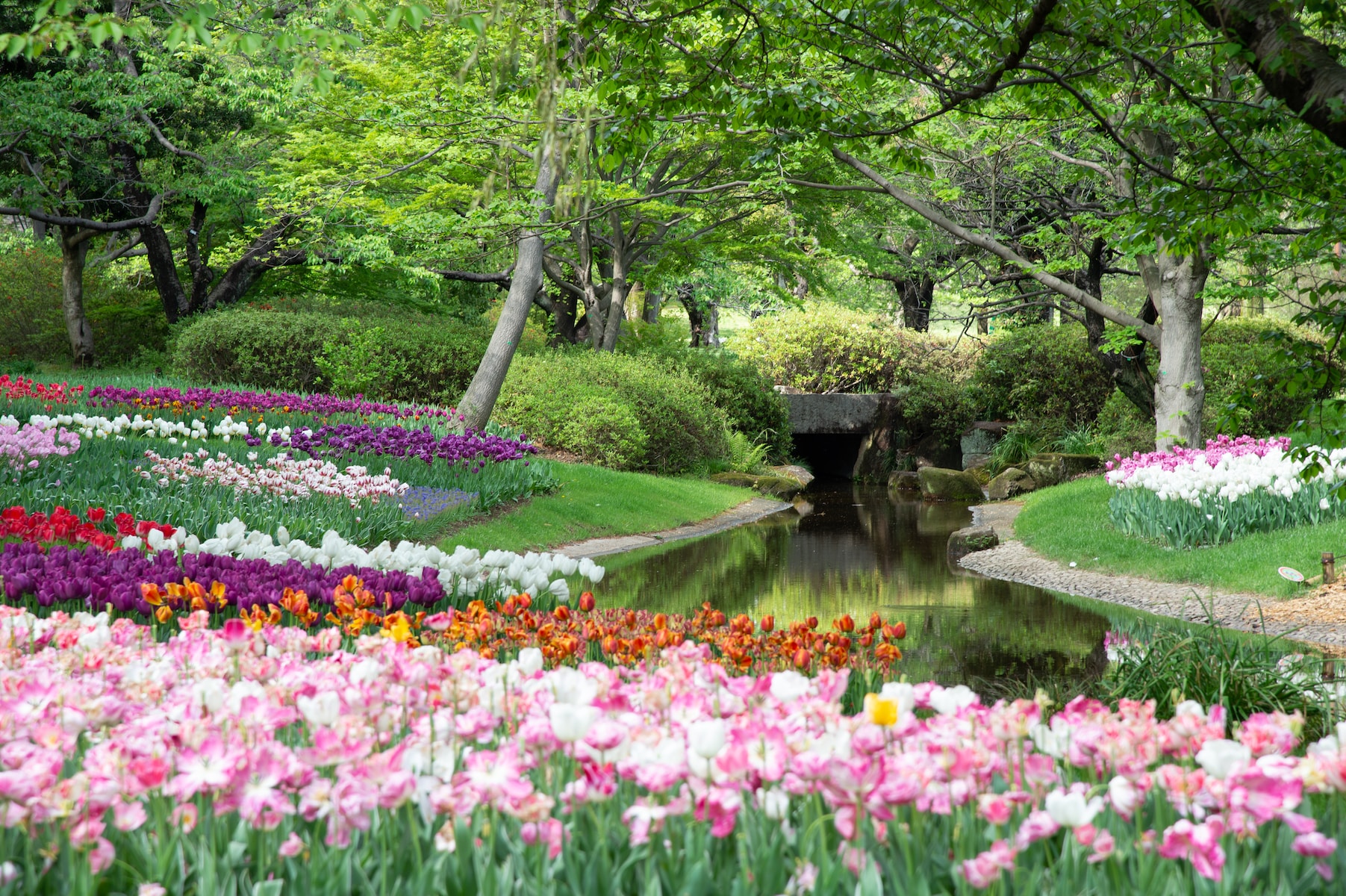
A beautiful flower garden is a delight for the senses, offering vibrant colors, captivating scents, and a serene atmosphere. Whether you have a spacious backyard or a small balcony, creating a flower garden allows you to connect with nature and enjoy the beauty of blooming flowers. In this article, we will explore tips and inspiration to help you create a stunning flower garden that will bring joy and tranquility to your outdoor space.
- Choose the Right Location: Select a location that receives an adequate amount of sunlight for the type of flowers you wish to grow. Most flowering plants require at least six hours of direct sunlight per day. Observe the light patterns in your garden throughout the day to determine the sunniest spots. Consider the soil quality, drainage, and proximity to water sources when choosing the location for your flower garden.
- Plan the Layout: Before planting, plan the layout of your flower garden. Consider the size, shape, and style of your garden space. Choose a focal point such as a tall flowering tree, a trellis, or a statue. Create pathways or stepping stones for easy access and to add visual interest. Use garden borders or edging materials to define the flower beds and add structure to your garden.
- Select a Variety of Flowers: Choose a variety of flowers that bloom at different times of the year to ensure your garden remains colorful throughout the seasons. Consider a mix of annuals, perennials, and biennials to create a dynamic and ever-changing display. Research the specific needs of each flower, including soil type, water requirements, and sunlight preferences, to ensure they thrive in your garden.
- Incorporate Different Heights and Textures: Create visual interest by incorporating flowers with different heights and textures. Combine tall, upright flowers like sunflowers or hollyhocks with mid-sized flowers such as roses or daisies, and low-growing plants like pansies or alyssum. Mix flowers with varying leaf shapes and textures to add depth and dimension to your garden beds.
- Consider Color Combinations: Choose a color scheme that complements your personal preferences and the overall aesthetic of your garden. Opt for harmonious color combinations, such as complementary colors (opposites on the color wheel) or analogous colors (adjacent on the color wheel). Create a focal point by grouping flowers of the same color or incorporating vibrant accent colors amidst a sea of softer hues.
- Provide Adequate Watering and Soil Care: Regular watering is essential for the health and vitality of your flower garden. Determine the water requirements of each plant and establish a watering schedule accordingly. Mulching around the flower beds helps retain moisture and suppress weed growth. Ensure proper soil care by amending it with organic matter, such as compost, to improve its fertility and drainage.
- Implement Companion Planting: Embrace the concept of companion planting by placing flowers together that benefit one another. Some flowers repel pests, while others attract beneficial insects like butterflies or bees for pollination. For example, marigolds can repel aphids, while lavender attracts pollinators. Research companion planting strategies to create a harmonious and balanced ecosystem in your garden.
- Include Hardscape Features: Incorporate hardscape features to enhance the overall beauty and functionality of your flower garden. Add decorative elements such as garden sculptures, birdbaths, or garden benches to create focal points and provide resting spots. Install trellises or arbors for climbing plants like vines or clematis, adding vertical interest to your garden.
- Incorporate Seasonal Interest: Ensure year-round interest in your flower garden by incorporating plants with seasonal features. Choose flowers that bloom in different seasons, and include evergreen shrubs or trees to provide structure and greenery throughout the year. Consider adding decorative elements like ornamental grasses or winter-blooming flowers to keep your garden visually appealing even in colder months.
- Regular Maintenance and Care: Maintaining your flower garden requires regular care and attention. Remove spent flowers (deadheading) to encourage continuous blooming. Prune plants to maintain their shape and promote healthy growth. Weed the garden beds regularly to prevent competition for nutrients and water. Monitor for pests and diseases, and take appropriate measures to keep your flowers healthy.
Creating a beautiful flower garden allows you to immerse yourself in nature’s beauty and create a serene oasis in your outdoor space. By selecting the right location, planning the layout, choosing a variety of flowers, and incorporating different heights, textures, and color combinations, you can design a visually stunning garden. Providing adequate watering and soil care, implementing companion planting, including hardscape features, and incorporating seasonal interest will further enhance the garden’s charm. With regular maintenance and care, your flower garden will flourish, providing you with endless joy and a tranquil retreat right at your doorstep.

