


The suspension system of a vehicle plays a crucial role in ensuring a smooth and comfortable ride. It helps to absorb shocks from the road, maintain tire contact with the ground, and provide stability and control. However, over time, the suspension system may develop problems that can affect the performance and safety of your vehicle. In this article, we will explore some common suspension system problems and provide DIY fixes that can help you address these issues and keep your vehicle running smoothly.
- Worn-out Shocks or Struts: One of the most common suspension system problems is worn-out shocks or struts. Symptoms of worn-out shocks or struts include excessive bouncing, poor handling, and uneven tire wear. To fix this issue, you can replace the worn-out shocks or struts with new ones. This is a relatively straightforward DIY task that requires basic tools and some mechanical know-how.
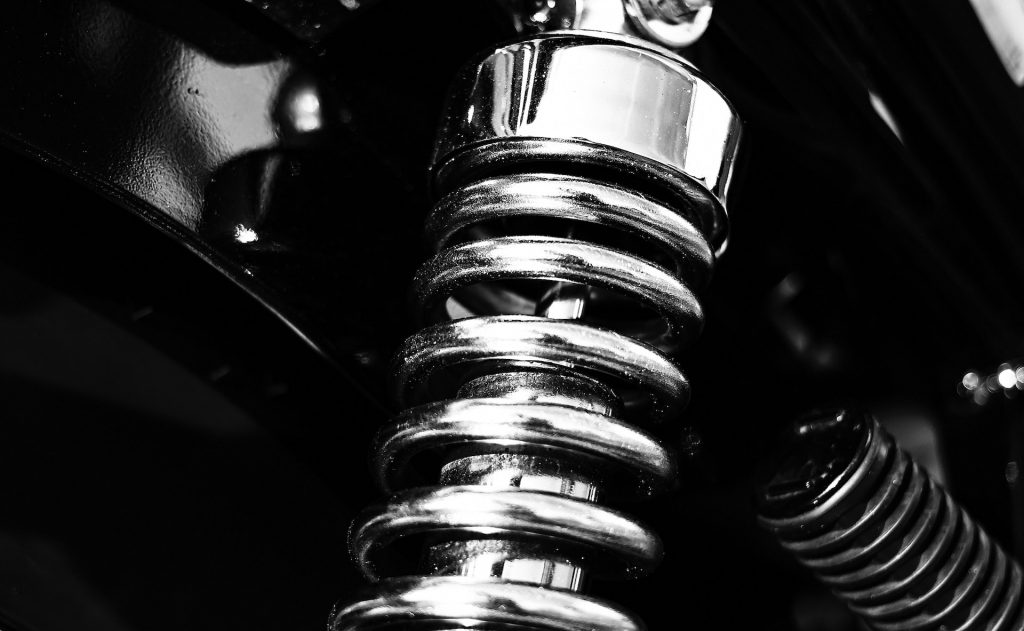
- Broken or Damaged Springs: Another common problem is broken or damaged springs. If you notice a sagging or uneven stance of your vehicle or experience a harsh and bumpy ride, it may indicate an issue with the springs. In some cases, you may need to replace the entire spring assembly, while in others, you may be able to replace just the broken spring. Consult your vehicle’s manual or a professional mechanic for guidance on the specific procedure for your vehicle.
- Loose or Worn-out Bushings: Suspension bushings are rubber or polyurethane components that provide cushioning and flexibility in the suspension system. Over time, these bushings can become loose or worn-out, leading to excessive noise, vibrations, and poor handling. To fix this issue, you can replace the worn-out bushings with new ones. This task may require specialized tools and some mechanical expertise, so it’s advisable to seek professional help if you’re unsure.
- Misaligned Wheels: Misaligned wheels can cause uneven tire wear, steering pull, and poor handling. This problem can occur due to various factors, such as hitting a pothole or curb. You can check for wheel misalignment by observing uneven tire wear patterns or by taking your vehicle to a professional alignment shop. They can use specialized equipment to adjust the wheel alignment and restore proper suspension geometry.
- Worn-out Ball Joints: Ball joints are critical components that connect the suspension system to the wheels. Over time, ball joints can wear out, leading to clunking noises, poor steering control, and uneven tire wear. If you suspect worn-out ball joints, it’s essential to replace them promptly to avoid further damage to the suspension system. Replacing ball joints typically requires advanced mechanical skills and specialized tools, so it’s recommended to consult a professional mechanic.
A well-maintained suspension system is vital for the overall performance, comfort, and safety of your vehicle. By being aware of common suspension system problems and their DIY fixes, you can address minor issues promptly and ensure a smooth and enjoyable driving experience. However, it’s important to note that some suspension system repairs may require advanced mechanical skills or specialized tools, and it’s always advisable to seek professional assistance if you’re unsure or uncomfortable performing the repairs yourself. Regular inspections and maintenance of the suspension system can help identify potential issues early on and prevent major problems down the road.