


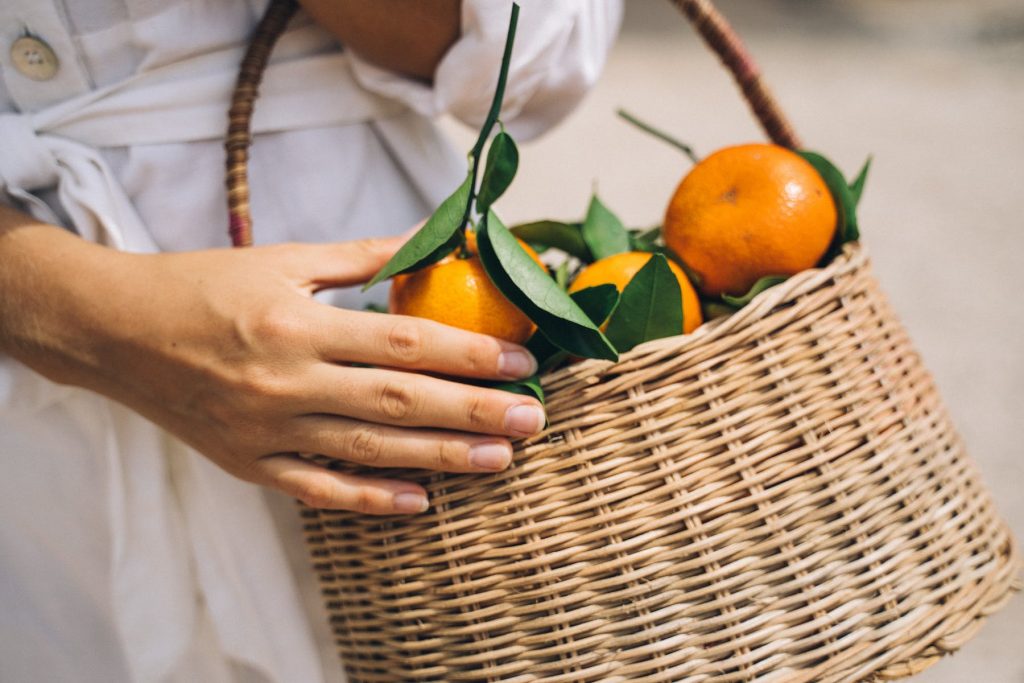
Tangerines, renowned for their sweet flavor and vibrant color, are a beloved citrus fruit cherished for their refreshing taste and nutritional benefits. When buying these delightful fruits, several factors play a crucial role in ensuring you select the juiciest, freshest, and most flavorful tangerines for your palate.
Tangerines, a citrus fruit synonymous with sweetness and refreshment, belong to the Mandarin orange family. Renowned for their vibrant color, ease of peeling, and delightful taste, tangerines are a popular choice among citrus enthusiasts worldwide.
Tangerines are celebrated for their balance of sweetness and tanginess, offering a juicy and succulent texture. Their tender, thin skin peels effortlessly, revealing segments bursting with flavorful juice, making them an ideal on-the-go snack.
Beyond their delectable taste, tangerines pack a nutritional punch. Rich in vitamin C, these fruits bolster the immune system, aid in collagen production, and promote healthy skin. They also contain fiber, aiding digestion, and potassium, beneficial for heart health.
Tangerines come in various types, each with its unique characteristics. Clementines, a popular variety, are seedless and easy to peel, while Satsumas boast a sweeter taste. Tangelos, a cross between tangerines and grapefruits, offer a tangier flavor profile.
Tangerines thrive in cooler climates and are typically in season from late fall through winter. This period yields the juiciest and most flavorful fruits, making them a staple during the holiday season.
Apart from being enjoyed fresh, tangerines lend themselves well to culinary applications. Their zest and juice elevate salads, marinades, desserts, and beverages, infusing dishes with a citrusy aroma and tangy sweetness.
Aside from being a vitamin C powerhouse, tangerines contain antioxidants that combat inflammation and promote heart health. Their low calorie and high fiber content make them a guilt-free snack option.
1. Appearance:
- Color and Texture: Opt for tangerines with vibrant, glossy skin, typically deep orange in hue, indicating ripeness. Avoid fruits with blemishes or spots.
- Firmness: Look for tangerines that feel heavy for their size and have a slight give when gently squeezed. They should feel firm and plump without being too soft.
2. Fragrance:
- Aroma: Choose tangerines that emit a fragrant, citrusy aroma, signaling freshness and ripeness. A sweet, tangy scent indicates flavorful fruit.
3. Size and Weight:
- Consistency: Select tangerines that are uniform in size, ensuring consistent flavor and juiciness. Heavier fruits often indicate higher juice content.
4. Varieties:
- Different Types: Explore various tangerine varieties like Clementines, Satsumas, or Tangelos, each offering unique flavors and characteristics. Experiment to find your preferred variety.
5. Seasonality and Origin:
- Freshness: Purchase tangerines in peak season, typically from late fall through winter, for optimal flavor and juiciness. Consider locally sourced tangerines for freshness and support for local farmers.
6. Organic vs. Conventional:
- Organic Options: Consider organic tangerines, which are free from synthetic pesticides or chemicals. Look for organic labels for a more natural and eco-friendly choice.
7. Store Display:
- Freshness Indicators: Buy tangerines from stores with well-maintained produce displays. Choose fruits from refrigerated sections, as they tend to retain freshness longer.
8. Price and Quantity:
- Value for Money: Balance quality and price when buying tangerines. Buying in bulk or during peak season can offer better value.
9. Ripening Process:
- Patience is Key: If tangerines are slightly underripe, allow them to ripen at room temperature for a few days. They will become juicier and sweeter.
10. Storage Tips:
- Proper Storage: Store tangerines in a cool, well-ventilated area away from direct sunlight to maintain freshness. Use them within a few days for the best flavor.
Here are five delightful recipes featuring the vibrant and tangy flavor of tangerines
1. Tangerine Glazed Chicken:
Ingredients:
- Chicken thighs or breasts
- Tangerine juice
- Honey
- Soy sauce
- Garlic, minced
- Olive oil
Instructions:
- Mix tangerine juice, honey, soy sauce, and garlic for the marinade.
- Marinate chicken for a few hours.
- Sear chicken in a pan until golden brown.
- Bake in the oven while basting with the marinade until cooked through.
2. Tangerine and Arugula Salad:
Ingredients:
- Arugula
- Tangerines, peeled and segmented
- Red onion, thinly sliced
- Feta cheese
- Toasted almonds
- Olive oil
- Balsamic vinegar
Instructions:
- Toss arugula, tangerine segments, red onion, and crumbled feta cheese.
- Top with toasted almonds.
- Drizzle with olive oil and balsamic vinegar.
3. Tangerine Sorbet:
Ingredients:
- Tangerine juice
- Sugar
- Water
- Lemon juice
Instructions:
- Make a simple syrup by boiling sugar and water, then let it cool.
- Mix tangerine juice, lemon juice, and the cooled syrup.
- Freeze the mixture in an ice cream maker according to the manufacturer’s instructions.
4. Tangerine Glazed Shrimp Skewers:
Ingredients:
- Shrimp, peeled and deveined
- Tangerine juice
- Ginger, grated
- Garlic, minced
- Honey
- Olive oil
Instructions:
- Thread shrimp onto skewers.
- Mix tangerine juice, grated ginger, minced garlic, honey, and olive oil for the glaze.
- Grill shrimp skewers, basting with the tangerine glaze.
5. Tangerine Curd Tart:
Ingredients:
- Tart shells or pie crust
- Tangerine juice and zest
- Eggs
- Sugar
- Butter
Instructions:
- Prepare tart shells or a pre-made pie crust.
- Cook tangerine juice, zest, eggs, and sugar in a saucepan until thickened.
- Whisk in butter until smooth, then pour into the tart shells.
- Chill before serving.
Mastering the art of selecting tangerines involves a blend of sensory observations and knowledge of key indicators of freshness. By considering appearance, fragrance, seasonality, and storage tips, you can indulge in the juiciest, most flavorful tangerines, elevating your culinary experiences and reaping the nutritional benefits of this delightful citrus fruit!