


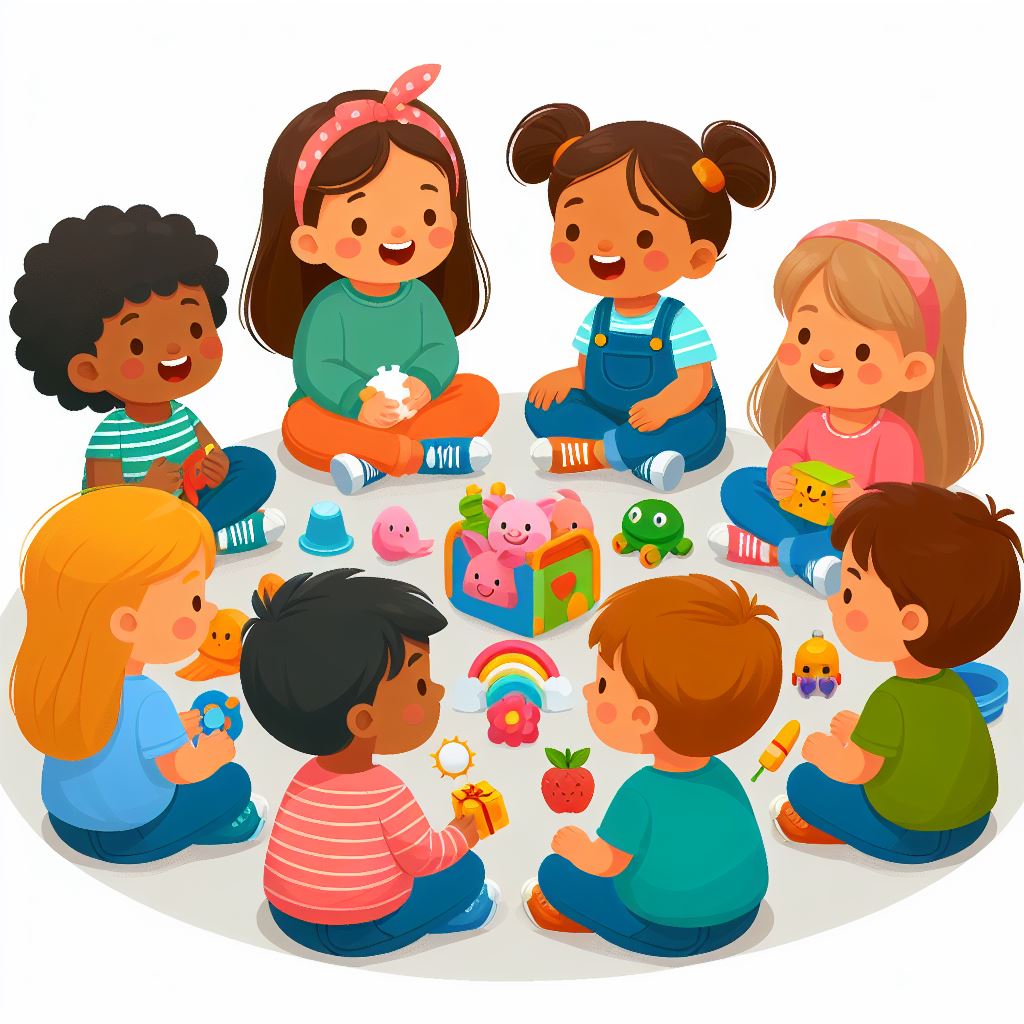
This is an exciting time filled with boundless curiosity, endless energy, and of course, social development. As a parent or caregiver, you play a crucial role in shaping your preschooler’s future, especially when it comes to nurturing their social intelligence. But what exactly is social intelligence, and why does it matter in the preschool years?
Social intelligence refers to a child’s ability to interact with others, understand social cues, and navigate various social situations successfully. It encompasses skills like empathy, communication, cooperation, and problem-solving, all of which lay the foundation for healthy relationships and future success.
Research shows that children who possess strong social skills tend to have better academic performance, improved mental health, and greater overall well-being as they grow older. In other words, social intelligence isn’t just about making friends; it’s about equipping your child with essential life skills that will benefit them for years to come.
Now that we understand the importance of social intelligence in preschoolers, let’s dive deeper into what it entails and how you can help foster it in your little one. Whether you’re a seasoned parent or new to the world of preschoolers, this guide will provide you with practical tips and strategies to support your child’s social development every step of the way. So, grab your cape, because we’re about to unlock your preschooler’s social superpowers!
Understanding Social Intelligence in Preschoolers
Defining social intelligence in the context of preschoolers can be likened to unraveling a colorful tapestry of social interactions, emotional awareness, and budding friendships. At its core, social intelligence encompasses a wide range of skills and abilities that enable children to navigate the complexities of human relationships with confidence and grace.
For preschoolers, social intelligence manifests in various ways, from simple acts of sharing toys to more complex displays of empathy and cooperation. It’s about learning to take turns, express emotions, and understand the feelings of others. Think of it as the building blocks of social competency that will shape your child’s interactions with peers, teachers, and the broader world around them.
As parents, understanding what social intelligence looks like in preschoolers can help us better support our children’s development. Look for signs of engagement during playdates, such as sharing toys or taking turns in games. Notice how your child responds to different emotions, both their own and those of others. These observations can offer valuable insights into your child’s social skills and areas where they may need additional support.
But why is social intelligence so crucial during the preschool years? Research suggests that early social development lays the foundation for future success in school, relationships, and even career prospects. Children who possess strong social skills tend to have higher self-esteem, better conflict resolution abilities, and improved academic performance.
So, as we embark on this journey to unlock your preschooler’s social superpowers, remember that social intelligence is about more than just making friends—it’s about equipping your child with the tools they need to thrive in an increasingly interconnected world. With patience, understanding, and a dash of creativity, we can help our little ones become confident, compassionate, and socially adept individuals. So, let’s dive in and discover the magic of social intelligence together!
Signs of Healthy Social Development
As parents, we often find ourselves marveling at the wonders of our preschoolers’ social interactions. From impromptu tea parties to imaginative games of make-believe, these moments offer glimpses into the intricate world of childhood friendships. But amidst the laughter and giggles, how can we tell if our child’s social development is on track?
Fortunately, there are several key indicators that can help us gauge the health of our preschooler’s social skills. One of the most telling signs is their ability to engage with others in cooperative play. Watch as your child interacts with their peers during playdates or at preschool. Do they take turns, share toys, and collaborate on activities? These behaviors demonstrate an understanding of social reciprocity and are indicative of healthy social development.
Another important aspect to observe is your child’s emotional awareness and empathy. Notice how they respond to the feelings of others, whether it’s offering a hug to a crying friend or comforting a classmate who is upset. Empathy is a cornerstone of social intelligence and plays a vital role in building strong, meaningful relationships.
Additionally, pay attention to your child’s ability to communicate effectively with others. Can they express their thoughts and feelings in words? Do they listen attentively when others speak? Effective communication is essential for navigating social interactions and resolving conflicts peacefully.
Keep an eye out for positive peer relationships as well. Does your child have friends they enjoy spending time with? Do they demonstrate a sense of belonging and acceptance within their peer group? Healthy friendships provide valuable opportunities for social learning and growth, so it’s important to foster these connections.
While every child develops at their own pace, it’s essential to be aware of any red flags that may indicate potential social developmental delays or challenges. If you notice persistent difficulties with social interactions, emotional regulation, or communication, consider consulting with a pediatrician or early childhood development specialist for further evaluation and support.
By paying attention to these signs of healthy social development, we can better understand our preschoolers’ unique strengths and areas for growth. So, let’s celebrate their social successes and support them on their journey to becoming confident, compassionate individuals. After all, the friendships formed in these early years lay the groundwork for a lifetime of meaningful connections.
Nurturing Social Intelligence at Home
Welcome to the playground of social development—your own home! While preschool and playdates provide valuable opportunities for social learning, much of your child’s social intelligence begins to take shape within the walls of your humble abode. As parents, we have the power to create a nurturing environment that fosters social growth and cultivates the budding friendships of our little ones.
One of the simplest yet most effective ways to nurture social intelligence at home is through role modeling. Children learn by example, so be mindful of how you interact with others, both within and outside the family. Demonstrate empathy by listening actively and showing concern for others’ feelings. Model effective communication by using clear and respectful language during conversations. By embodying these qualities, you provide your child with a powerful blueprint for healthy social interactions.
Another essential aspect of social development is providing ample opportunities for social play. Set aside dedicated time each day for your child to engage in unstructured play with siblings, friends, or even stuffed animals. Encourage imaginative play scenarios that require cooperation and problem-solving, such as building a fort or putting on a puppet show. These activities not only promote social skills but also stimulate creativity and imagination.
Incorporating social stories into your daily routine can also be beneficial for nurturing social intelligence. Choose age-appropriate books or cartoons that depict characters navigating social situations, such as sharing with others or resolving conflicts. Use these stories as springboards for discussions about emotions, empathy, and problem-solving, helping your child develop a deeper understanding of social dynamics.
Furthermore, be intentional about creating opportunities for your child to interact with a diverse range of people. Arrange playdates with peers from different backgrounds, enroll them in community activities or classes, or volunteer together as a family. Exposure to various social settings and individuals can broaden your child’s perspective and foster social adaptability.
Lastly, don’t underestimate the power of quality time spent together as a family. Shared experiences like family meals, game nights, or outdoor adventures provide valuable bonding opportunities and strengthen the parent-child relationship. These moments of connection lay the foundation for open communication, trust, and mutual respect—all essential components of healthy social development.
By prioritizing role modeling, social play, social stories, exposure to diversity, and quality family time, you can create a home environment that nurtures your child’s social intelligence and sets them on a path toward confident, compassionate social interactions. So, let the games begin as you embark on this exciting journey of social growth with your preschooler! Remember, the best lessons are learned amidst laughter, love, and lots of play.
Socializing Beyond the Home: Navigating Preschool and Playdates
As our preschoolers spread their wings and venture beyond the confines of home, they embark on a thrilling adventure into the world of preschool and playdates. These social settings offer invaluable opportunities for social learning and friendship building, laying the groundwork for lifelong social skills. But navigating these environments can sometimes feel like stepping into uncharted territory. Fear not! With a little guidance and a sprinkle of confidence, you and your preschooler can conquer the playground of social interactions together.
Let’s start with the cornerstone of social development: preschool. Whether it’s a traditional classroom setting or a cooperative playgroup, preschool provides a rich tapestry of experiences for your child to explore. Encourage your preschooler to embrace new friendships, participate in group activities, and express themselves creatively. Help them understand the importance of sharing, taking turns, and showing kindness to their classmates. By fostering a positive attitude toward school and socializing, you set the stage for a fulfilling social experience.
Playdates, meanwhile, offer a more intimate setting for social interaction. These one-on-one or small group gatherings provide an opportunity for your child to practice social skills in a relaxed and familiar environment. When planning playdates, consider your child’s interests and personality, as well as those of their friends. Choose activities that promote cooperation, teamwork, and imaginative play. Whether it’s building a fort, baking cookies, or putting on a puppet show, the key is to create an atmosphere of fun and camaraderie.
As your child navigates the world of preschool and playdates, it’s important to be mindful of their unique needs and preferences. Some children may thrive in large social settings, while others may feel more comfortable in smaller, quieter environments. Respect your child’s individuality and provide support as needed. Encourage open communication about their experiences, feelings, and any challenges they may encounter along the way.
Additionally, be proactive about fostering positive relationships with your child’s teachers, caregivers, and fellow parents. Stay informed about your child’s progress and any social dynamics within the preschool or playgroup. Collaborate with educators and other caregivers to address any concerns and support your child’s social development effectively.
Above all, remember that socializing is a journey, not a destination. Embrace the ups and downs, the laughter and tears, and celebrate each milestone along the way. By providing your preschooler with a supportive and nurturing environment both at home and beyond, you empower them to navigate the complexities of social interactions with confidence and grace. So, lace up those sneakers, pack a snack, and get ready for a playful adventure in the wonderful world of preschool and playdates!
Modeling and Teaching Social Skills
As parents, we are our children’s first and most influential teachers when it comes to social intelligence. Through our words, actions, and interactions, we have the power to shape their understanding of social dynamics and guide them on the path to becoming compassionate, confident individuals. But teaching social skills isn’t just about delivering lectures or handing out worksheets—it’s about leading by example and providing opportunities for hands-on learning.
Let’s start with the power of role modeling. Children are keen observers, constantly absorbing information from the world around them. By demonstrating positive social behaviors in our own interactions, we show our children what it means to be empathetic, respectful, and considerate of others’ feelings. Take advantage of everyday moments to showcase acts of kindness, cooperation, and conflict resolution. Whether it’s lending a helping hand to a neighbor or apologizing when we make a mistake, our actions speak volumes and serve as powerful teaching tools.
In addition to role modeling, direct teaching is essential for helping children develop specific social skills. Take a proactive approach by discussing and practicing various social scenarios with your child. Role-play common situations such as sharing toys, making friends, or resolving conflicts peacefully. Use these opportunities to teach important concepts like empathy, perspective-taking, and assertiveness. Encourage your child to brainstorm solutions and evaluate the consequences of their actions, empowering them to become active participants in their own social learning.
Furthermore, incorporate social stories into your teaching toolkit. These narrative-based approaches use storytelling to illustrate social concepts and problem-solving strategies in a relatable and engaging way. Choose books or create your own stories that address topics like friendship, empathy, and diversity. Invite your child to reflect on the characters’ experiences and consider how they might apply the lessons learned to their own lives.
As you embark on this journey of modeling and teaching social skills, remember to be patient, consistent, and supportive. Social learning is a gradual process that requires time, practice, and reinforcement. Celebrate your child’s successes, no matter how small, and offer gentle guidance and encouragement when they encounter challenges. Create a safe and nurturing environment where mistakes are viewed as opportunities for growth, not reasons for shame.
By combining the power of role modeling, direct teaching, and social stories, you can equip your child with the tools they need to navigate the complexities of social interactions with confidence and compassion. Together, let’s embark on this journey of discovery and empowerment as we help our children unlock their full potential in the world of social intelligence. Remember, the greatest lessons are learned through love, laughter, and the joy of connection.
Addressing Challenges and Common Concerns
As parents, we strive to provide our children with the tools they need to navigate life’s twists and turns with confidence and resilience. Yet, despite our best efforts, challenges and concerns inevitably arise, especially when it comes to social development. From shyness and social anxiety to conflicts and misunderstandings, these obstacles can sometimes leave us feeling unsure of how best to support our children. But fear not! With a little understanding and a lot of patience, we can help our little ones overcome these hurdles and emerge stronger than ever.
Let’s start by addressing one of the most common challenges: shyness. While some children naturally gravitate towards social interactions, others may feel apprehensive or hesitant in new situations. If your child is on the quieter side, reassure them that it’s okay to take their time warming up to new people and environments. Encourage them to start with small, low-pressure interactions, such as saying hello to a classmate or joining a group activity. Build their confidence gradually by praising their efforts and celebrating their successes, no matter how small.
Similarly, social anxiety can pose a significant barrier to social development for some children. If you notice signs of excessive worry or avoidance in social situations, it’s essential to address these concerns with empathy and understanding. Create a safe space for your child to express their feelings and fears without judgment. Offer reassurance and support, and work together to develop coping strategies, such as deep breathing exercises or positive self-talk. Consider seeking guidance from a mental health professional if social anxiety persists or significantly impacts your child’s daily life.
Conflicts and misunderstandings are also inevitable aspects of social interactions. Whether it’s a disagreement with a friend or a miscommunication with a classmate, these moments provide valuable opportunities for learning and growth. Teach your child constructive conflict resolution strategies, such as active listening, compromising, and seeking mutually beneficial solutions. Encourage them to express their feelings assertively and respectfully, while also empathizing with the perspectives of others. Remind them that disagreements are a natural part of relationships and that working through them can strengthen bonds and foster greater understanding.
Above all, remember that every child is unique, and there is no one-size-fits-all solution to social challenges. Be patient, flexible, and supportive as you navigate these obstacles together. Celebrate your child’s progress, no matter how small, and offer unconditional love and encouragement every step of the way. By addressing challenges with compassion and resilience, you empower your child to overcome obstacles and thrive in the ever-changing landscape of social interactions. So, let’s face these challenges head-on, armed with empathy, understanding, and a whole lot of love.
Resources for Further Support and Learning
Congratulations on embarking on this exciting journey of nurturing your child’s social intelligence! As you navigate the twists and turns of social development, know that you’re not alone. There is a wealth of resources available to support you and your child every step of the way. From books and websites to community programs and professional guidance, these resources offer valuable insights, practical tips, and a sense of camaraderie as you navigate the world of social interactions together.
Books are a fantastic starting point for exploring social intelligence and finding inspiration for fostering healthy social development in your child. Look for titles that cover topics such as empathy, friendship, communication, and conflict resolution. Some popular choices include “The Friendship Formula” by Jan Yager, “How to Talk So Kids Will Listen & Listen So Kids Will Talk” by Adele Faber and Elaine Mazlish, and “Social Rules for Kids: The Top 100 Social Rules Kids Need to Succeed” by Susan Diamond.
Websites and online resources can also be valuable tools for parents seeking guidance on social skills and social development. Websites like Understood.org, ChildMind.org, and PBS Parents offer articles, videos, and practical tips on a wide range of topics related to child development, including social intelligence. Additionally, online parenting forums and communities provide a supportive space for parents to connect, share experiences, and seek advice from others facing similar challenges.
Community programs and activities offer opportunities for children to practice and refine their social skills in real-world settings. Look for local playgroups, sports teams, art classes, or community centers that offer socialization opportunities for preschoolers. These programs not only provide a fun and engaging environment for children to interact with their peers but also foster a sense of belonging and community.
If you find yourself facing challenges or concerns related to your child’s social development, don’t hesitate to seek professional guidance. Pediatricians, child psychologists, and early childhood educators can offer valuable insights and support tailored to your child’s individual needs. They can provide assessments, interventions, and resources to help address any underlying issues and support your child’s social growth effectively.
Remember, every child is unique, and there is no one-size-fits-all approach to social development. Trust your instincts as a parent, and don’t be afraid to reach out for help when needed. By tapping into the wealth of resources available and building a strong support network, you can empower your child to thrive socially and emotionally. So, embrace this journey of learning and discovery, and know that you’re equipped with the tools and knowledge to help your child unlock their full potential in the world of social intelligence.
At the end of the day, this article serves as a guide to help you navigate the exciting world of social development with your preschooler. However, every child is unique, and it’s essential to explore and find what works best for your family. So, take these tips and strategies, adapt them to your child’s needs, and embark on this journey with confidence and enthusiasm. Together, let’s empower our children to become confident, compassionate individuals who navigate the world with grace and kindness.
While this article has provided a roadmap for fostering social intelligence in your preschooler, it’s important to recognize that every child is unique. What works for one may not work for another, and that’s okay! Trust your instincts as a parent and remain open to adapting your approach based on your child’s needs and preferences.
As you continue on this journey, embrace the joys and challenges of social development with curiosity, patience, and an open heart. Celebrate the milestones, no matter how small, and cherish the moments of connection and growth that unfold along the way. Remember that building social intelligence is not just about acquiring skills; it’s about nurturing relationships, fostering empathy, and cultivating a sense of belonging in the world.
So, whether you’re embarking on your first playdate or navigating the complexities of conflict resolution, know that you’re not alone. Draw upon the knowledge and support of your community, seek guidance from trusted professionals, and most importantly, trust in the power of love and connection to guide you through.
As you bid farewell to this guide, remember that it is but one chapter in your ongoing journey as a parent. Keep exploring, keep learning, and keep nurturing the beautiful blossoms of social intelligence in your child’s heart. With your unwavering love and support, they will continue to flourish and thrive in the ever-changing landscape of human relationships.
Thank you for allowing us to be a part of your journey, and may your path be filled with laughter, love, and endless opportunities for growth. Here’s to raising confident, compassionate individuals who make the world a brighter, kinder place—one social interaction at a time.