
In today’s fast-paced world, maintaining a healthy diet is paramount. Incorporating nutrient-rich superfoods into your meals not only boosts your overall health but also elevates your culinary experience. Here’s a definitive guide to essential superfoods that should grace your plate for a vibrant and nourishing diet.
- Quinoa: This protein-packed grain is a complete source of essential amino acids, offering a gluten-free alternative rich in fiber, minerals, and antioxidants.Quinoa, pronounced “keen-wah,” holds a rich history dating back thousands of years in the Andean region of South America. Revered by the Incas as the “mother of all grains,” quinoa sustained ancient civilizations due to its resilience in harsh climates and exceptional nutritional value.

Photo by Vie Studio on Pexels Production:
Cultivated primarily in the Andean regions of Peru, Bolivia, and Ecuador, quinoa is a hardy crop thriving in diverse altitudes and climates. The plant produces edible seeds, encased in bitter saponins which are removed through processing. Once harvested, quinoa seeds undergo cleaning and polishing before reaching markets worldwide.
Plusses:
- Nutritional Powerhouse: Quinoa is a complete protein source, containing all nine essential amino acids, making it an ideal plant-based protein for vegetarians and vegans.
- Rich in Nutrients: High in fiber, minerals (such as iron, magnesium, and potassium), and vitamins (like B-vitamins), quinoa provides a comprehensive nutritional profile.
- Gluten-Free: Perfect for those with gluten sensitivities, quinoa serves as an excellent alternative to wheat-based grains.
- Versatile and Easy to Prepare: Its nutty flavor and versatile nature allow it to be incorporated into various dishes, from salads and soups to main courses and desserts.
Recipes:
- Quinoa Salad with Fresh Vegetables: Combine cooked quinoa with diced bell peppers, cucumber, cherry tomatoes, and a dressing of olive oil, lemon juice, and herbs.
- Quinoa Stir-Fry: Sauté cooked quinoa with mixed vegetables, tofu or chicken, and a dash of soy sauce for a quick and nutritious meal.
- Quinoa Breakfast Bowl: Mix cooked quinoa with Greek yogurt, fresh fruits, nuts, and a drizzle of honey for a hearty breakfast option.
- Quinoa Stuffed Bell Peppers: Stuff halved bell peppers with a mixture of cooked quinoa, black beans, corn, and spices, topped with cheese and baked until tender.
Quinoa’s rise in popularity stems from its exceptional nutritional profile and culinary versatility. Its ancient origins combined with modern adaptability make it a staple in health-conscious diets worldwide, offering a wholesome addition to a balanced lifestyle.
- Kale: A superstar in the greens department, kale is a powerhouse of vitamins, particularly vitamin K and antioxidants, contributing to heart health and fighting inflammation.Kale, a leafy green vegetable, has been cultivated for over 2,000 years, tracing its origins to the Eastern Mediterranean and Asia Minor regions. Once considered a humble vegetable, kale gained popularity across Europe and eventually became celebrated worldwide for its exceptional health benefits.
Plusses:
- Nutritional Density: Kale is a nutritional powerhouse, packed with vitamins A, C, K, and various B-vitamins. It’s rich in minerals like calcium, potassium, and magnesium, promoting overall health and vitality.
- Antioxidant-Rich: Loaded with antioxidants such as flavonoids and carotenoids, kale aids in reducing inflammation and combating oxidative stress.
- High Fiber Content: With substantial fiber, kale supports digestive health and helps in maintaining a healthy gut microbiome.
- Versatility and Low-Calorie Profile: Kale is low in calories but high in nutrients, making it a great addition to weight-conscious diets.
- Supports Heart Health: The presence of potassium and fiber in kale contributes to heart health by regulating blood pressure and cholesterol levels.
Recipes:
- Kale Chips: Toss kale leaves in olive oil, sprinkle with salt and spices, then bake until crispy for a nutritious snack.
- Kale Salad: Massage raw kale leaves with lemon juice and olive oil, then add toppings like nuts, seeds, fruits, and a vinaigrette for a refreshing salad.
- Kale Smoothie: Blend kale leaves with fruits, yogurt, and a liquid base (such as almond milk) for a nutrient-packed breakfast or post-workout drink.
- Kale Pesto Pasta: Blend kale with garlic, nuts, Parmesan cheese, and olive oil to create a flavorful pesto sauce for pasta dishes.
- Sautéed Kale: Cook kale leaves with garlic, onions, and a splash of broth or balsamic vinegar for a delicious and nutritious side dish.
Kale’s recent surge in popularity can be attributed to its exceptional nutritional density and versatility in culinary applications. As more people seek nutrient-dense foods, kale has emerged as a key ingredient in health-conscious diets, earning its status as a celebrated superfood. Whether raw, cooked, or blended into smoothies, kale continues to revolutionize health and cuisine with its impressive array of benefits and delicious versatility.
- Salmon: A fantastic source of omega-3 fatty acids, salmon supports brain health and heart function, providing a delicious protein option.Salmon, a prized fish species, has been an integral part of human diets for centuries, with a rich history in various cultures worldwide. From the rivers of North America to the waters of Northern Europe and Asia, salmon has been revered for its nutritional value and delicious taste.
Plusses:
- Rich in Omega-3 Fatty Acids: Salmon is renowned for its high omega-3 content, particularly EPA and DHA, beneficial for heart health, brain function, and reducing inflammation.
- Excellent Protein Source: A rich source of high-quality protein, salmon provides essential amino acids vital for muscle growth, repair, and overall body function.
- Rich in Vitamin D: Salmon is one of the few natural food sources of vitamin D, crucial for bone health, immune function, and mood regulation.
- Abundant in Minerals: Salmon contains essential minerals like selenium, potassium, and B-vitamins, contributing to overall health and vitality.
- Supports Eye Health: Omega-3s in salmon are beneficial for eye health, potentially reducing the risk of age-related vision problems.
Recipes:
- Grilled Salmon: Season salmon fillets with herbs, lemon, and olive oil, then grill for a flavorful and healthy main course.
- Baked Salmon with Herbs: Bake salmon fillets with a blend of fresh herbs, garlic, and a drizzle of honey or maple syrup for a savory-sweet flavor.
- Salmon Salad: Flake cooked salmon into a mixed greens salad with avocado, nuts, and a citrus vinaigrette for a light yet satisfying meal.
- Salmon Burgers: Create salmon patties with breadcrumbs, herbs, and spices, then pan-fry or grill for a nutritious burger alternative.
- Salmon Pasta: Combine flaked salmon with pasta, cherry tomatoes, spinach, and a creamy sauce for a flavorful pasta dish.
Salmon’s Role in Health and Cuisine:
Salmon’s popularity as a nutritional powerhouse stems from its abundant omega-3 fatty acids and diverse culinary applications. From enhancing heart health and brain function to tantalizing taste buds with its versatile preparation options, salmon continues to be a revered staple in health-conscious diets and gourmet cuisine worldwide.
- Blueberries: Bursting with antioxidants, blueberries promote brain health and may reduce the risk of chronic diseases, making them a sweet and nutritious addition to your meals.Native to North America, blueberries have a long history as a revered indigenous fruit. Indigenous peoples incorporated these small, flavorful berries into their diets and traditional medicine practices. Over time, blueberries gained recognition for their exceptional taste and health benefits, becoming a beloved fruit worldwide.
Plusses:
- Antioxidant-Rich: Blueberries are packed with antioxidants like anthocyanins and flavonoids, combating oxidative stress and reducing inflammation.
- Vitamin C Source: Rich in vitamin C, blueberries bolster the immune system and support skin health.
- Fiber-Packed: With significant dietary fiber content, blueberries aid digestion and promote a healthy gut microbiome.
- Brain Health Support: The antioxidants in blueberries are linked to improved brain function and may aid in delaying age-related cognitive decline.
- Heart Health Benefits: Regular consumption of blueberries is associated with reduced risk factors for heart disease due to their potential to lower blood pressure and cholesterol levels.
Recipes:
- Blueberry Smoothie: Blend blueberries with yogurt, banana, and a splash of almond milk for a refreshing and nutrient-rich morning beverage.
- Blueberry Parfait: Layer blueberries with Greek yogurt, granola, and honey for a delectable and nutritious parfait.
- Blueberry Pancakes: Fold fresh or frozen blueberries into pancake batter for a burst of flavor and added nutrition.
- Blueberry Salad: Combine blueberries with spinach, feta cheese, nuts, and balsamic vinaigrette for a vibrant and flavorful salad.
- Blueberry Sauce: Simmer blueberries with a touch of sugar and lemon juice to create a versatile sauce for topping yogurt, pancakes, or ice cream.
Blueberries in Modern Health and Cuisine:
Blueberries’ remarkable health benefits and delicious taste have solidified their status as a superfood. Their versatility in both sweet and savory dishes, coupled with their nutritional richness, has made them a go-to ingredient for health-conscious individuals and chefs alike, elevating health and flavor in various culinary creations.
- Avocado: Loaded with healthy fats, fiber, potassium, and vitamins, avocados enhance heart health and aid in nutrient absorption.Native to Central America, avocados have a history dating back thousands of years, revered by the Aztecs as a symbol of fertility and prized for their rich taste and nourishing properties. Over time, avocados gained popularity worldwide, becoming a staple in diverse cuisines and a sought-after health food.
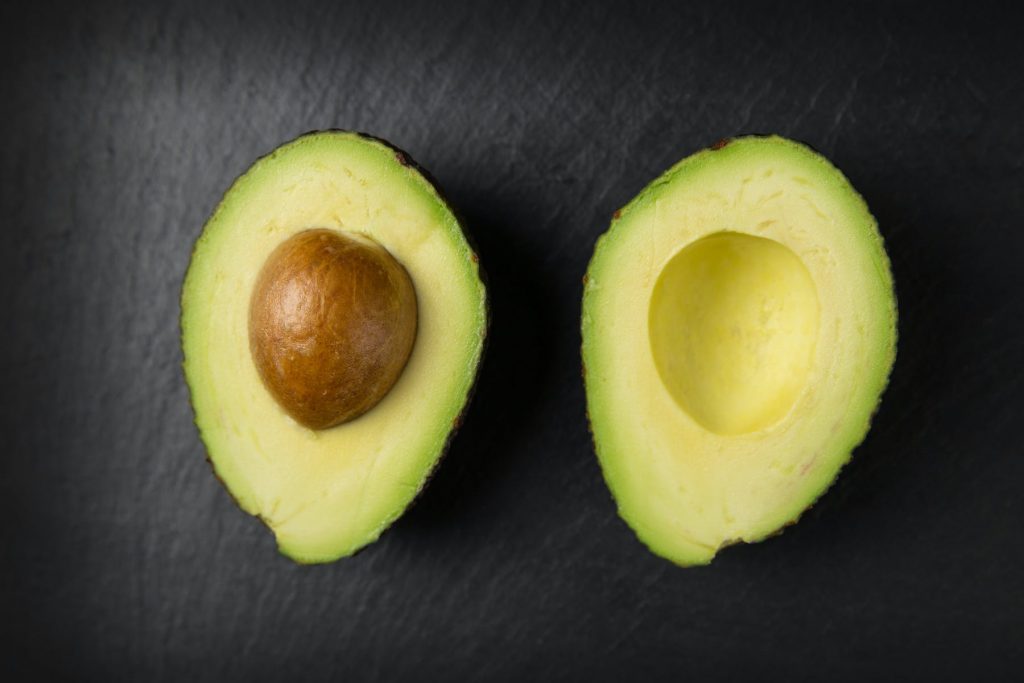
Photo by Foodie Factor on Pexels Plusses:
- Healthy Fats: Avocados are rich in monounsaturated fats, which are beneficial for heart health and may aid in reducing bad cholesterol levels.
- Nutrient-Dense: Packed with vitamins K, C, E, B-vitamins, and potassium, avocados offer a comprehensive array of nutrients supporting overall health.
- High in Fiber: Avocados are fiber-rich, aiding digestion, promoting satiety, and supporting a healthy gut.
- Loaded with Antioxidants: Avocados contain antioxidants like lutein and zeaxanthin, beneficial for eye health and reducing the risk of age-related eye diseases.
- Versatility: Avocados’ creamy texture makes them a versatile ingredient in both savory and sweet dishes, adding depth and richness to various recipes.
Recipes:
- Avocado Toast: Mash ripe avocado on whole-grain toast, topped with a sprinkle of salt, pepper, and optional toppings like tomatoes or a poached egg.
- Guacamole: Mash avocados with lime juice, cilantro, onions, and tomatoes for a zesty and flavorful dip or topping.
- Avocado Salad: Toss avocado slices with mixed greens, fruits, nuts, and a vinaigrette for a refreshing salad.
- Avocado Smoothie: Blend avocado with spinach, banana, almond milk, and honey for a creamy and nutritious smoothie.
- Avocado Chocolate Mousse: Purée avocado with cocoa powder, sweetener, and a touch of vanilla for a decadent, healthier dessert option.
Avocado’s Role in Health and Culinary Delights:
Avocado’s combination of health benefits, creamy texture, and versatility has made it a beloved superfood in modern diets. From supporting heart health to enhancing the culinary experience with its unique flavor and texture, avocados continue to be a cherished ingredient, celebrated for their nutritional richness and culinary appeal.
- Sweet Potatoes: Packed with vitamins, minerals, and fiber, sweet potatoes stabilize blood sugar levels and promote gut health.Originating in Central and South America over 5,000 years ago, sweet potatoes were cultivated by ancient civilizations. These vibrant tubers made their way across the globe, becoming a cherished dietary staple recognized for their versatility and nutritional value.
Plusses:
- Rich in Nutrients: Sweet potatoes are a powerhouse of vitamins A, C, and E, providing antioxidants that boost immunity and promote healthy skin.
- High in Fiber: Their high fiber content supports digestive health, aids in weight management, and helps regulate blood sugar levels.
- Complex Carbohydrates: With slow-digesting carbohydrates, sweet potatoes provide sustained energy while keeping blood sugar levels steady.
- Abundance of Minerals: Packed with potassium, magnesium, and iron, sweet potatoes contribute to heart health, muscle function, and red blood cell production.
- Versatile and Delicious: From savory to sweet dishes, sweet potatoes’ natural sweetness enhances diverse culinary creations.
Recipes:
- Baked Sweet Potatoes: Simple yet satisfying, bake sweet potatoes until tender, then top with toppings like butter, cinnamon, or savory options like black beans and salsa.
- Sweet Potato Fries: Cut sweet potatoes into fries, season with herbs and spices, then bake or air-fry for a healthier alternative to traditional fries.
- Mashed Sweet Potatoes: Boil or roast sweet potatoes, then mash with a dash of maple syrup or coconut milk for a creamy and flavorful side dish.
- Sweet Potato and Kale Salad: Combine roasted sweet potatoes with kale, cranberries, nuts, and a tangy dressing for a nutrient-packed salad.
- Sweet Potato Pancakes: Grate sweet potatoes into pancake batter, add spices like nutmeg and ginger, then cook for a tasty breakfast treat.
Sweet Potatoes in Modern Health and Cuisine:
Sweet potatoes’ delightful taste and nutritional richness have secured their status as a superfood. Whether baked, roasted, mashed, or incorporated into various dishes, sweet potatoes continue to be celebrated for their versatility in both health-conscious diets and gourmet culinary creations.
- Greek Yogurt: A protein-rich dairy option, Greek yogurt offers probiotics for gut health, calcium for bones, and satiating qualities for a satisfying meal addition.Greek yogurt has its roots in ancient Greece, where it was a staple in the Mediterranean diet. Its rich, creamy texture and nutritional benefits made it a valued dietary component. Over time, it gained popularity worldwide for its distinct taste and healthful properties.
Plusses:
- Protein-Rich: Greek yogurt boasts a higher protein content compared to regular yogurt, aiding in muscle repair, satiety, and weight management.
- Probiotic Benefits: Packed with probiotics, it promotes gut health by fostering a healthy balance of gut bacteria and aiding digestion.
- Calcium Source: Rich in calcium, Greek yogurt supports bone health and muscle function, contributing to overall well-being.
- Versatile: Greek yogurt serves as a versatile ingredient in both sweet and savory dishes, elevating the nutritional value of various recipes.
- Lower in Lactose: It contains less lactose than regular yogurt, making it more digestible for individuals with lactose sensitivity.
Recipes:
- Greek Yogurt Parfait: Layer Greek yogurt with fresh fruits, granola, and honey for a nutritious and satisfying breakfast or dessert.
- Yogurt Smoothie: Blend Greek yogurt with fruits, spinach, almond milk, and a touch of honey for a creamy and protein-packed smoothie.
- Tzatziki Sauce: Combine Greek yogurt with cucumbers, garlic, dill, and lemon juice for a refreshing and flavorful dip or sauce.
- Yogurt Marinade: Use Greek yogurt as a marinade for chicken or fish, infusing tenderness and flavor into the dish.
- Yogurt Dressing: Mix Greek yogurt with herbs, vinegar, and olive oil for a creamy and healthier alternative to traditional dressings.
Greek Yogurt’s Role in Health and Culinary Creations:
Greek yogurt’s remarkable nutritional profile and versatile nature have cemented its status as a superfood. Whether enjoyed on its own or incorporated into various dishes, its high protein content, probiotic benefits, and adaptability in recipes continue to make it a beloved ingredient, enriching both health-conscious diets and gourmet cuisine worldwide.
- Broccoli: High in fiber, vitamins, and antioxidants, broccoli supports healthy digestion and may have cancer-fighting properties.Broccoli, a member of the cruciferous vegetable family, traces its origins to Italy and was later cultivated in various parts of the world. Over time, its nutritional richness and versatile culinary applications made it a widely cherished vegetable.
Plusses:
- Nutritional Powerhouse: Broccoli is packed with vitamins C, K, and A, along with folate, providing a diverse range of antioxidants and nutrients supporting overall health.
- Rich in Fiber: High fiber content aids digestion, supports gut health, and promotes a feeling of fullness, aiding in weight management.
- Antioxidant-Rich: Broccoli contains antioxidants like sulforaphane, beneficial in reducing inflammation and potentially lowering the risk of chronic diseases.
- Source of Minerals: It provides essential minerals such as calcium and potassium, contributing to bone health and regulating blood pressure.
- Versatile and Flavorful: From raw to cooked dishes, broccoli’s adaptable nature complements various cuisines and preparation methods.
Recipes:
- Steamed Broccoli: Steam broccoli florets until tender-crisp, then season with a drizzle of olive oil, lemon juice, and a sprinkle of parmesan cheese.
- Roasted Broccoli: Toss broccoli with olive oil, garlic, and spices, then roast until caramelized for a flavorful side dish.
- Broccoli Salad: Combine blanched broccoli with red onions, raisins, nuts, and a tangy vinaigrette for a refreshing salad.
- Broccoli Soup: Blend cooked broccoli with onions, stock, and a touch of cream for a creamy and nutritious soup.
- Broccoli Stir-Fry: Sauté broccoli with colorful vegetables, protein (like tofu or chicken), and a stir-fry sauce for a quick and healthy meal.
Broccoli’s Contribution to Health and Cuisine:
Broccoli’s exceptional nutritional density and culinary versatility have made it a revered superfood. Whether enjoyed as a standalone side or incorporated into various dishes, its array of health benefits and delicious taste continue to make broccoli a valuable addition to health-conscious diets and diverse culinary creations.
- Oats: A fiber-rich whole grain, oats aid in digestion, regulate cholesterol levels, and provide sustained energy.Oats have a long history dating back thousands of years, originating in the Fertile Crescent region of the Middle East. They spread across Europe and North America, becoming a staple crop valued for their versatility and nutritional benefits.
Plusses:
- Rich in Fiber: Oats are an excellent source of soluble fiber, aiding digestion, promoting a healthy gut, and helping manage cholesterol levels.
- Complex Carbohydrates: Their slow-digesting carbohydrates provide sustained energy, keeping blood sugar levels stable and promoting satiety.
- Nutrient-Dense: Oats contain vitamins (B vitamins), minerals (iron, magnesium), and antioxidants, contributing to overall health and vitality.
- Beta-Glucans: These compounds in oats are associated with immune support and heart health benefits.
- Versatile and Filling: From breakfast options to savory dishes, oats’ adaptability makes them suitable for diverse culinary creations.
Recipes:
- Oatmeal: Cook oats with milk or water, adding fruits, nuts, and honey for a warm and hearty breakfast.
- Overnight Oats: Mix oats with yogurt, fruits, and nuts, leaving it in the fridge overnight for a convenient and delicious breakfast option.
- Oat Pancakes: Blend oats into pancake batter for a nutrient-rich alternative, serving with fruits or a touch of maple syrup.
- Oat Cookies: Bake oats with mashed bananas, nuts, and a sprinkle of cinnamon for a healthier cookie option.
- Oat Crust: Grind oats and use as a crust for savory dishes like quiches or as a topping for fruit crisps.
Oats in Modern Health and Culinary Delights:
Oats’ nutritional richness and culinary adaptability have made them a beloved superfood. Whether consumed as a comforting breakfast or incorporated into various dishes, their fiber, nutrients, and versatility continue to contribute to health-conscious diets and diverse gastronomic creations worldwide.
- Nuts and Seeds: Almonds, walnuts, chia seeds, and flaxseeds offer a wealth of healthy fats, protein, and essential nutrients, contributing to heart health and overall well-being.Nuts and seeds have been a part of human diets for millennia, with historical roots in ancient civilizations across the globe. They were valued for their dense nutritional profiles and were considered essential for sustenance and overall well-being.
Plusses:
- Healthy Fats: Nuts and seeds are rich in healthy fats, including omega-3 and omega-6 fatty acids, beneficial for heart health and brain function.
- Protein-Packed: They provide plant-based protein, essential for muscle repair, growth, and overall body function.
- Vitamins and Minerals: Nuts and seeds offer a range of vitamins (such as vitamin E) and minerals (like magnesium, zinc, and iron), supporting various bodily functions and immune health.
- Antioxidants: Abundant in antioxidants, they combat oxidative stress, reduce inflammation, and may lower the risk of chronic diseases.
- Versatility: From snacking to cooking and baking, nuts and seeds add texture, flavor, and nutritional value to a wide array of dishes.
Examples of Nuts:
- Almonds: Rich in vitamin E, magnesium, and calcium.
- Walnuts: High in omega-3 fatty acids, beneficial for heart health.
- Pistachios: Packed with potassium, antioxidants, and fiber.
- Cashews: Offering iron, zinc, and magnesium.
- Peanuts: Containing protein, folate, and healthy fats.
Examples of Seeds:
- Chia Seeds: High in fiber, omega-3 fatty acids, and antioxidants.
- Flaxseeds: Rich in omega-3s, fiber, and lignans.
- Pumpkin Seeds: Providing magnesium, zinc, and iron.
- Sunflower Seeds: Offering vitamin E, selenium, and healthy fats.
- Sesame Seeds: High in calcium, iron, and antioxidants.
Culinary Uses:
- Snacking: Enjoy nuts and seeds as a nutritious snack or mixed into trail mixes.
- Salads: Sprinkle them over salads for added texture and nutrition.
- Smoothies: Blend them into smoothies for a boost of protein and healthy fats.
- Baking: Incorporate nuts and seeds into baked goods like bread, muffins, or granola bars.
- Nut Butters: Process nuts into creamy nut butters or tahini for spreads or dressings.
Nuts and Seeds’ Role in Modern Health and Cuisine:
Nuts and seeds, revered for their nutritional density and culinary adaptability, remain essential components of balanced diets and diverse culinary creations. Whether enjoyed as wholesome snacks, added to dishes for texture, or used as key ingredients in various recipes, their versatility and nutritional richness continue to make them prized superfoods.
Incorporating these superfoods into your meals diversifies your nutrient intake, enhances vitality, and promotes a robust immune system. Embrace these nutritional powerhouses and elevate your culinary creations while fostering a healthier lifestyle.

